Have something to say? Send us a letter using this form.
Hong Kong artist Orson Li’s can-do tiny robots
Bonny Liu, SKH Leung Kwai Yee Secondary School
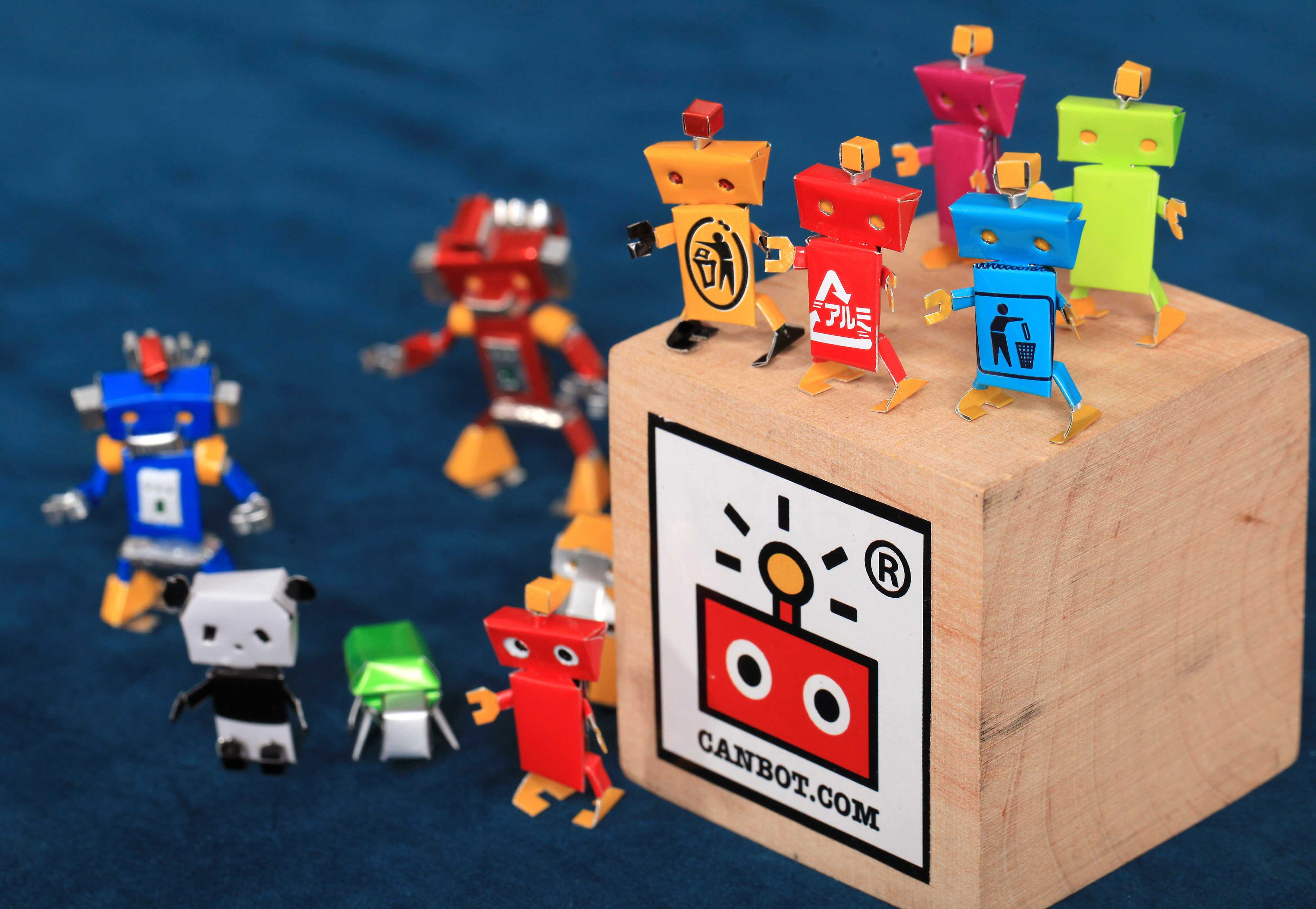
Using two robots, Hong Kong artist Orson Li tells us a story about life. The first of the robots is Canbot, a miniature sculpture, only 3.5cm tall, made by folding discarded aluminium soda cans.
The second is Nick the Lost Robot, a character illustrated by Li that has gone from picture books to the city’s public education programmes. It is also one of Hong Kong’s distinctive home-grown licensed IPs.
Li graduated from the University of California, Los Angeles with a degree in economics and worked as an auditor before turning to art and design.
His journey reflects a broader shift in Hong Kong’s creative economy, from making parts for other companies to creating original art toys and character-based intellectual property.
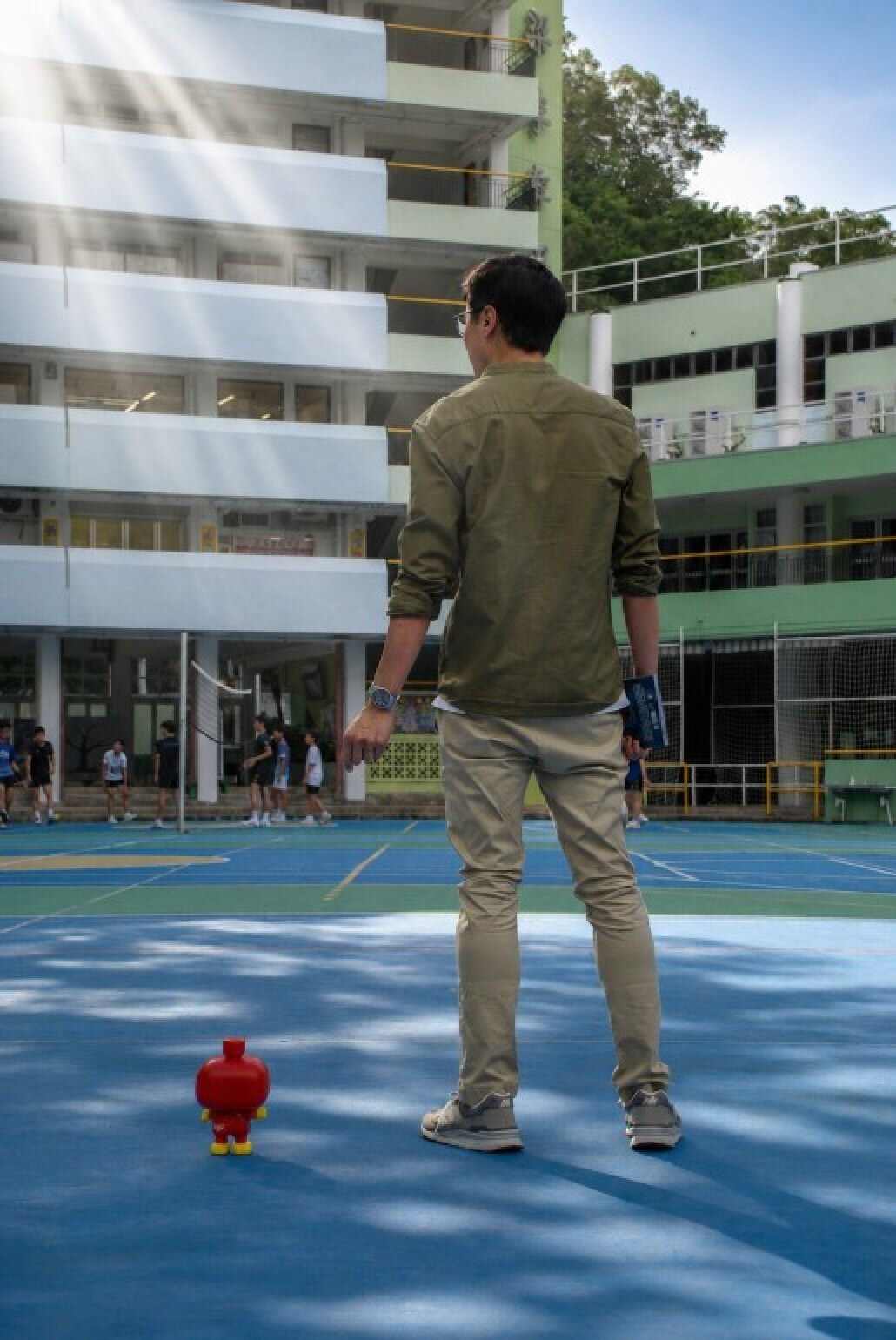
Canbot represents a “can-do” spirit, and Nick the Lost Robot is its personified extension. Li explained that just as a discarded soda can could be upcycled into valuable artwork, human life could also be changed.
That idea is seen in the five core elements of Nick’s story: dreams, beliefs, time, imagination and a positive mindset.
Nick’s story does not avoid wounds. Instead, Li places one on the most visible part of the character: the lightning-shaped crack on his chest, which symbolises turning imperfection into strength.
Li noted that everyone gets hurt while growing up, but standing up again makes us stronger. He added that the robots do not compare themselves with others but focus on completing their own tasks.
He summed up the lessons humans could learn from the robots: do not compare, do not judge and do not complain. From auditor to creator, what Li really offers is not just a toy but a way to show how adversity can push us onwards.
The pros and cons of the Silly Big Personality Test (SBTI)
Sylvia Xu, Hangzhou Yungu School (Zhejiang)

Recently, a new personality test – the Silly Big Personality Test (SBTI) – has gone viral on Chinese social media.
WeChat and RedNote are filled with posts of netizens sharing their test results. However, some of the test results use labels like FAKE and JOKE-R, which have sparked debate.
While some people find them funny and entertaining, others worry that these labels may influence how young people see themselves and others. Some experts have warned that online labels may become a trap. I strongly agree.
The SBTI is a play on the popular Myers-Briggs Type Indicator (MBTI) personality test. According to Ding Daoshi, a veteran analyst in the internet sector, test results have become social currency.
He said the memes-based quiz “rewrites the logic of youth socialising: the meme is the message and participation is more important than the result itself. Taking the test becomes a lawful ticket to belonging.” Teenagers may feel pressured to take a test in order to take part in their peers’ conversations.
I am also concerned about the illogical nature of the test result, as it seems to pull from an online encyclopaedia of memes, giving users different personality types on each try. It captures only a moment or aspect of the test taker, rendering the label meaningless.
But while the SBTI labels may not be scientifically accurate, they do encourage self-reflection and social interaction. SBTI labels do not have rigid definitions, and this creates a low-stress space where people can explore various sides of themselves.
During the peak of SBTI’s popularity, I took the test out of curiosity. My result surprised me. I felt it deepened my self-awareness and gave me a humorous and lighthearted perspective. The test neither confirmed my identity nor defined who I was, but it helped me become aware of traits and characteristics I had not considered before.
Additionally, another merit of these labels lies in their ability to establish connections.
In today’s fast-paced online culture, bold yet funny personality labels provide an easy topic for conversation and help people express themselves more comfortably.
I shared my test results with my classmates and friends, which led to unexpected connections with old and new friends. We compared the “labels” and used them to better understand each other.
Labels like the SBTI types are neither entirely harmful nor entirely beneficial. They reflect young people’s desire to understand themselves and one another. What is most important is remaining self-aware. Labels can promote self-expression and connection but they should never become the final definition of who we are.
Importance of a balanced diet
Sunny Chan San-yeung, St Mary’s Canossian College
At 9am, do you feel like your brain is running on only 2 per cent battery? Many of us rely on fast food, snacks and heavy caffeine to survive the day. But a poor diet will affect your school performance, sleep and mental health.
On one hand, junk food often saves time. Just grab a snack and you’re done! But this can significantly hurt your health. Fast food and sugary drinks only give us energy for a short amount of time. Then, we crash: drained, irritated and unfocused.
Over time, poor nutrition leads to stress, insomnia and even depression.
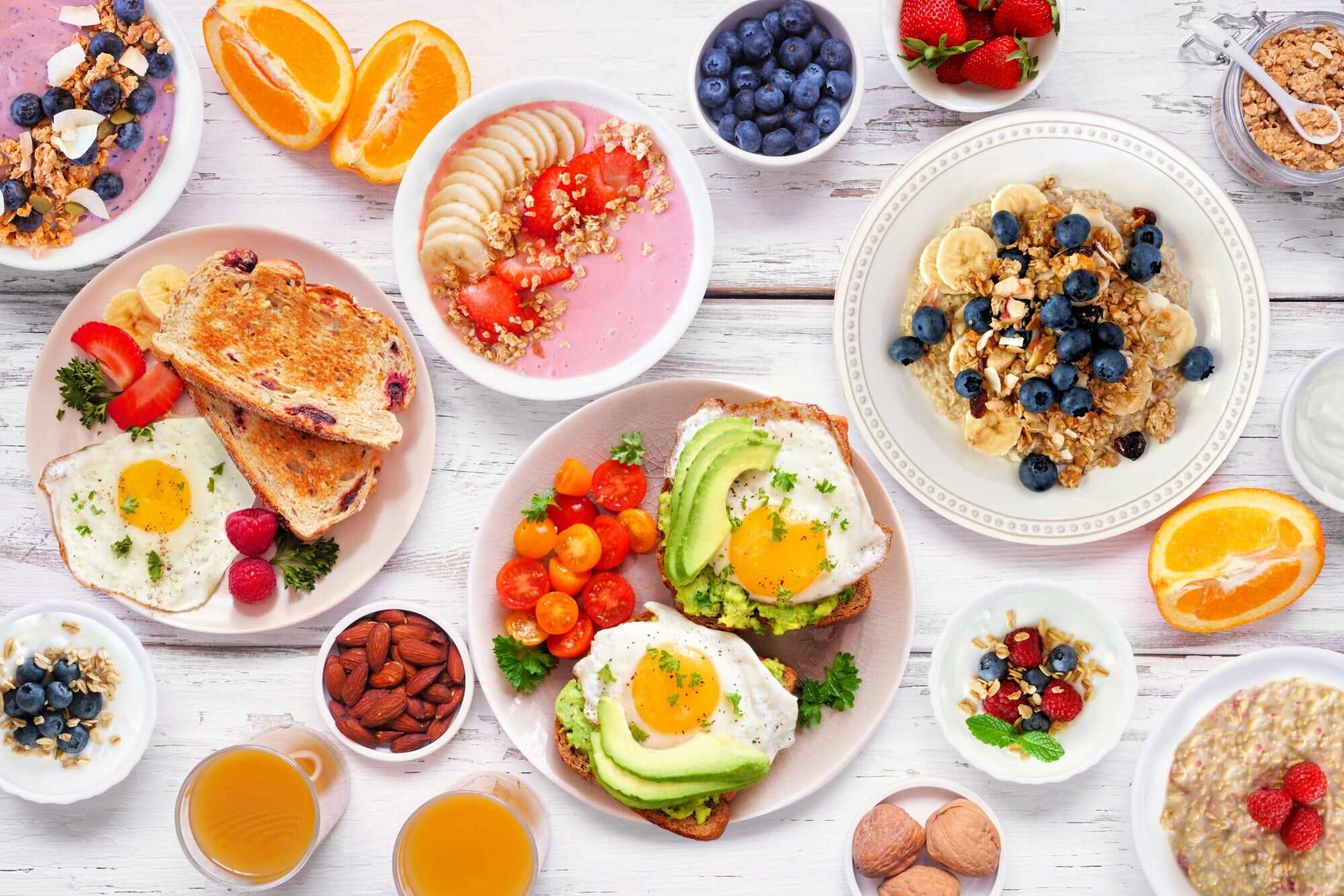
Major advantages of fuelling up on balanced, nutritious food are that it sharpens your memory, improves your concentration and maintains your mental stability. Eating nutritious food before a huge exam is like a secret cheat code for hitting peak mental alertness and memory.
Upgrading your diet does not have to be complicated and costly. Start by always eating a quick and healthy breakfast, for instance, a boiled egg or an apple. Drop your daily sugar intake by cutting out Coke, Fanta and other unhealthy drinks – even Coke Zero! For snacks, try fruits and nuts instead of chips.
Eating healthily is about creating habits that help you feel and perform better.
Effects of frequent AI use
Elidi Yang Ya-ching, French International School
A recent study by MIT Media Lab, a research laboratory at the Massachusetts Institute of Technology, reported that excessive reliance on artificial intelligence (AI) may contribute to “cognitive atrophy”. This means our critical thinking skills are weakening as well as our ability to comprehend and assess.
The study was reported on in The Harvard Gazette, which asked ChatGPT whether AI makes us dumber or smarter. I asked two AI assistants the same.
First, the Chinese start-up DeepSeek replied “both”, saying that AI’s effect on us comes down to what we use it for. For example, if AI always corrects our grammar, our brain will begin to shut down the section we use to spot and fix errors.
DeepSeek also suggested AI can help us become smarter if we use it as a personal tutor.
Google Gemini had a similar response: “It depends on whether it is used as a tool or a crutch”.
Are we using AI for help or are we depending on it to fix our problems for us? At the end of the day, AI use seems inevitable as we keep up with technological advancements. But it is our choice whether it affects us negatively or positively.