Have something to say? Send us a letter using this form.
How to regulate AI-generated ‘music’
Rogan Dong Yunge, Hangzhou Yungu School (Zhejiang)
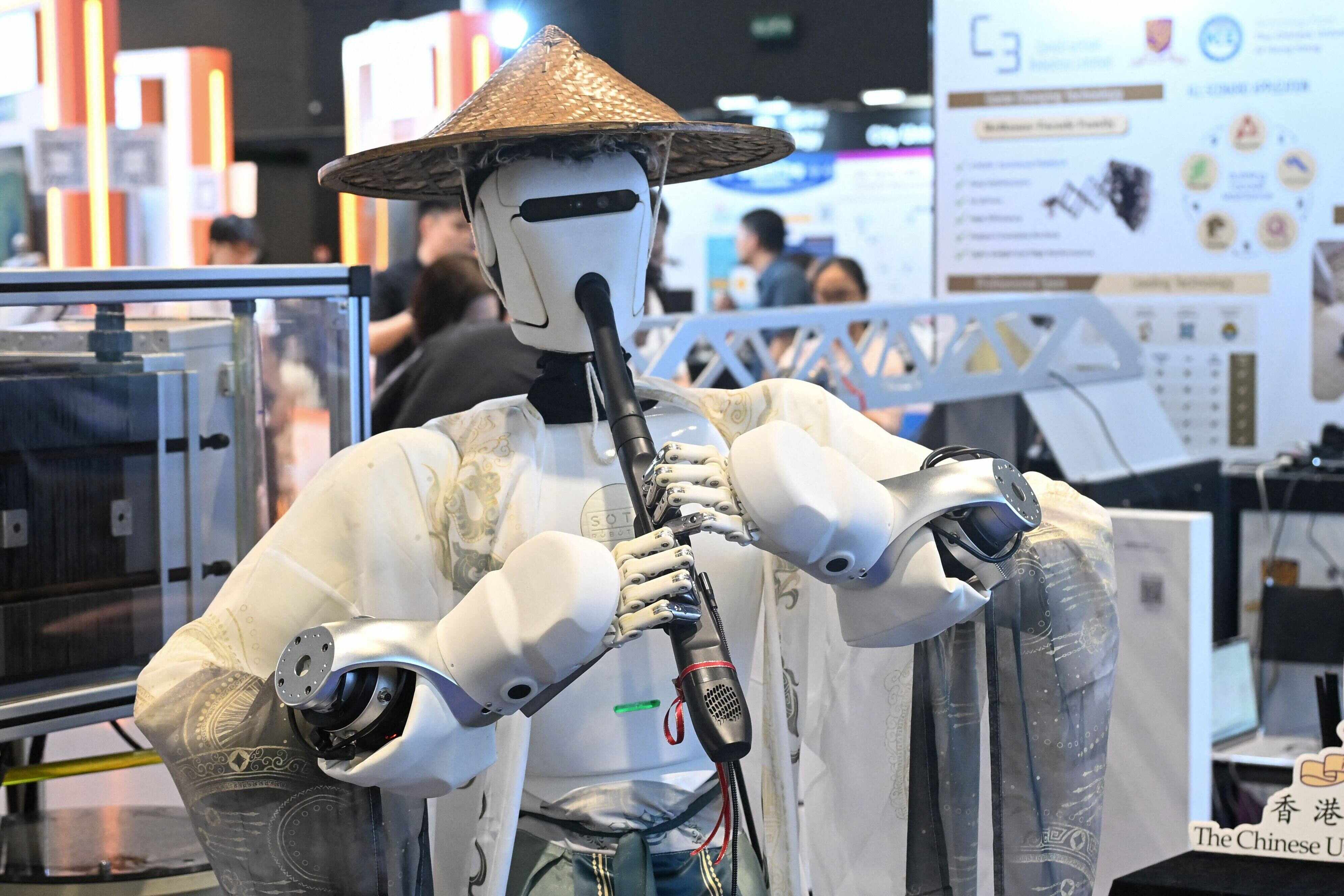
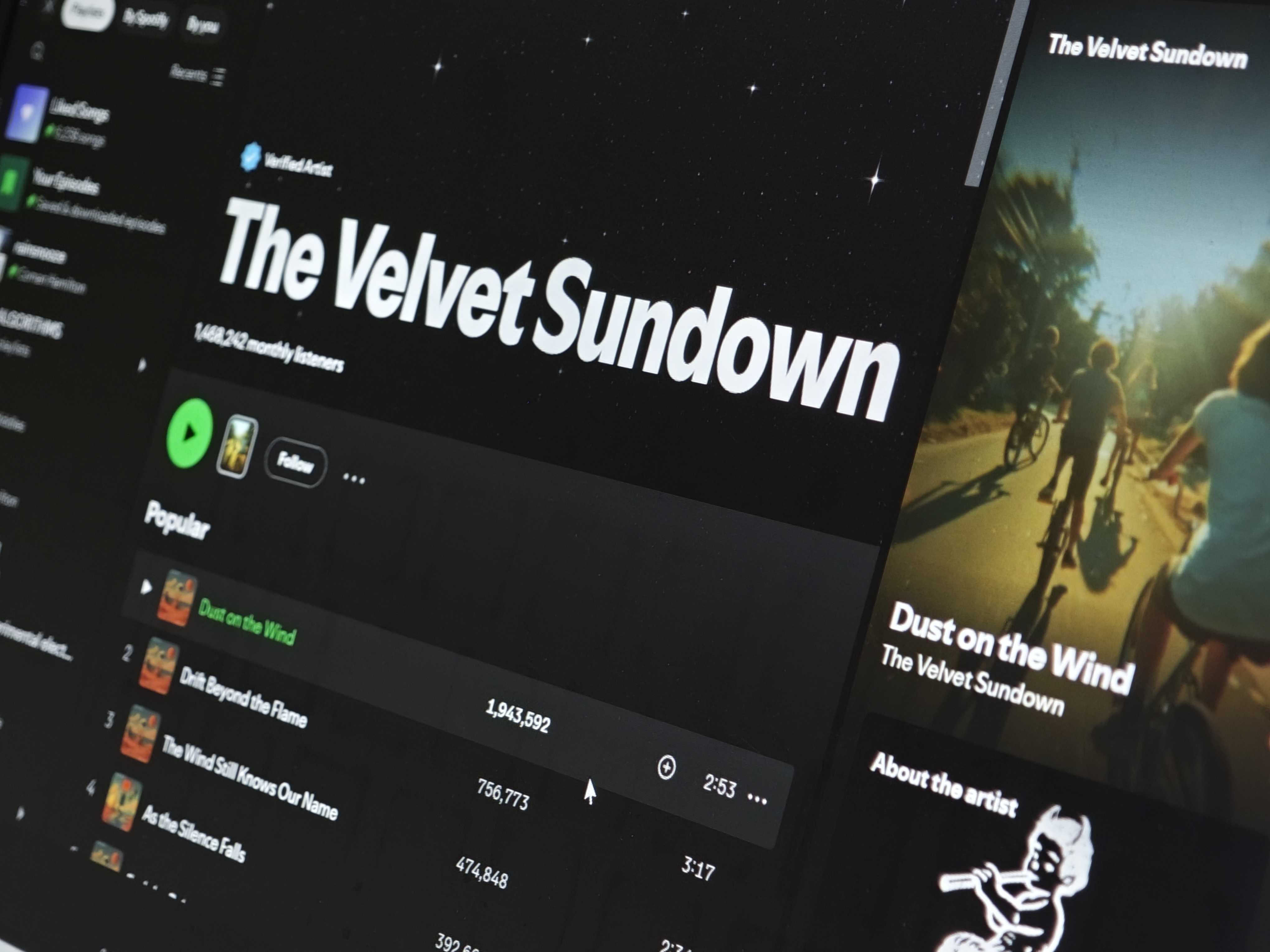
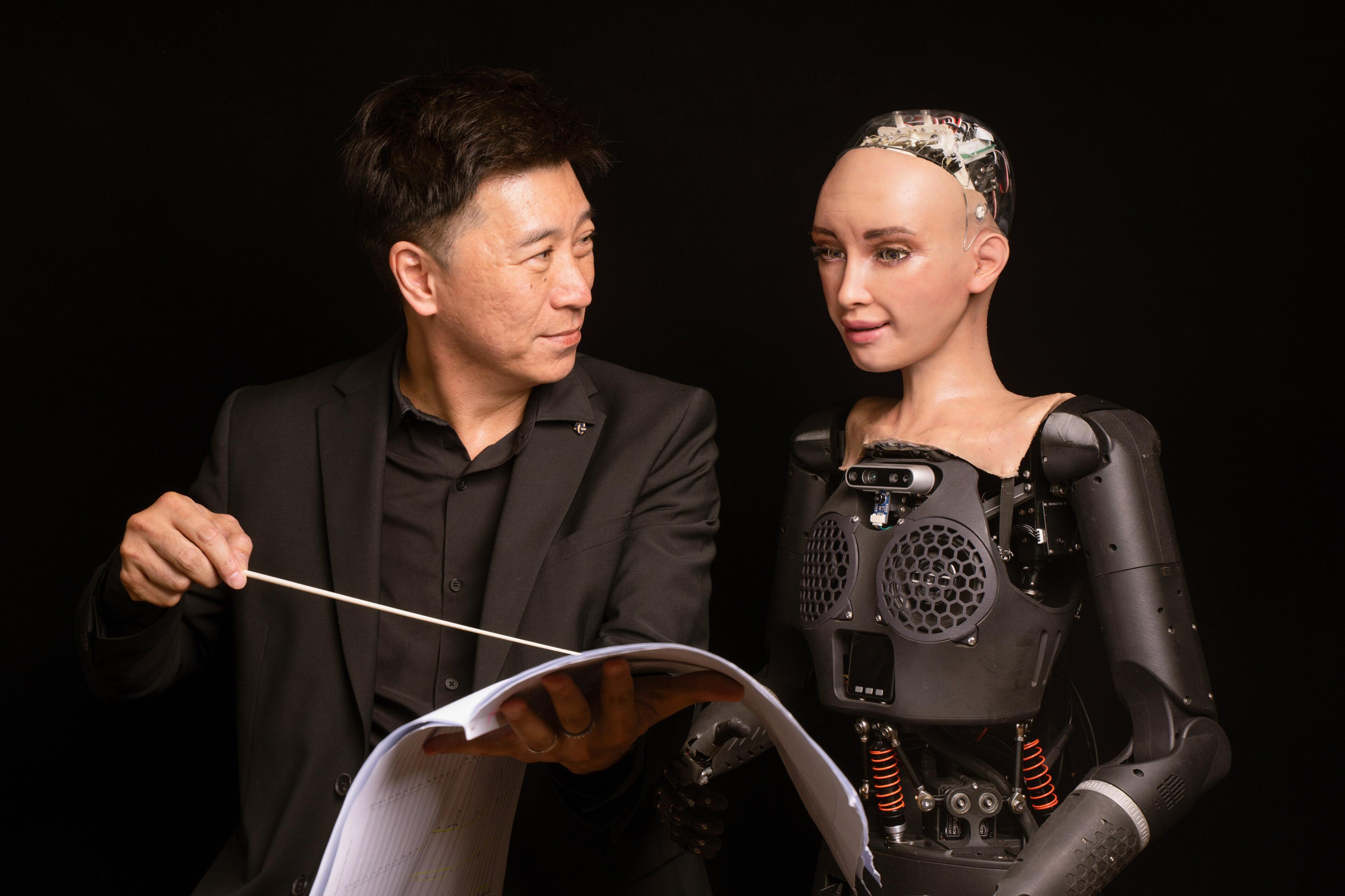
AI “music” has hit the world like a tsunami. When it comes to regulating music generated by artificial intelligence (AI), China and the United States have taken very different approaches. China has adopted a top-down, state-mandated regulation approach, while the US appears to be following a case-by-case route.
At first glance, this difference may seem like a technical policy issue. However, I believe it also reflects a deeper question: how should we balance innovation and creativity in the age of AI-generated products?
As a secondary school student born in the age of the internet, I’m not against AI innovation. Last year, my teammates and I generated a song using AI for our project called “Heart of the Sea”. The melody came out smooth and catchy. Yet, after listening a few times, the song felt awkward.
As someone who listens to music for fun on a daily basis, I perceived that the emotion conveyed in this song was simulated rather than true emotion coming from life.
AI has never lived a real life and could not create the kind of emotion that humans can. Speaking from experience, when people ask how we balance innovation and creativity, I would answer that AI is a smart tool to use, not a replacement for creativity in music. Innovation can grow, with human creativity staying valuable.
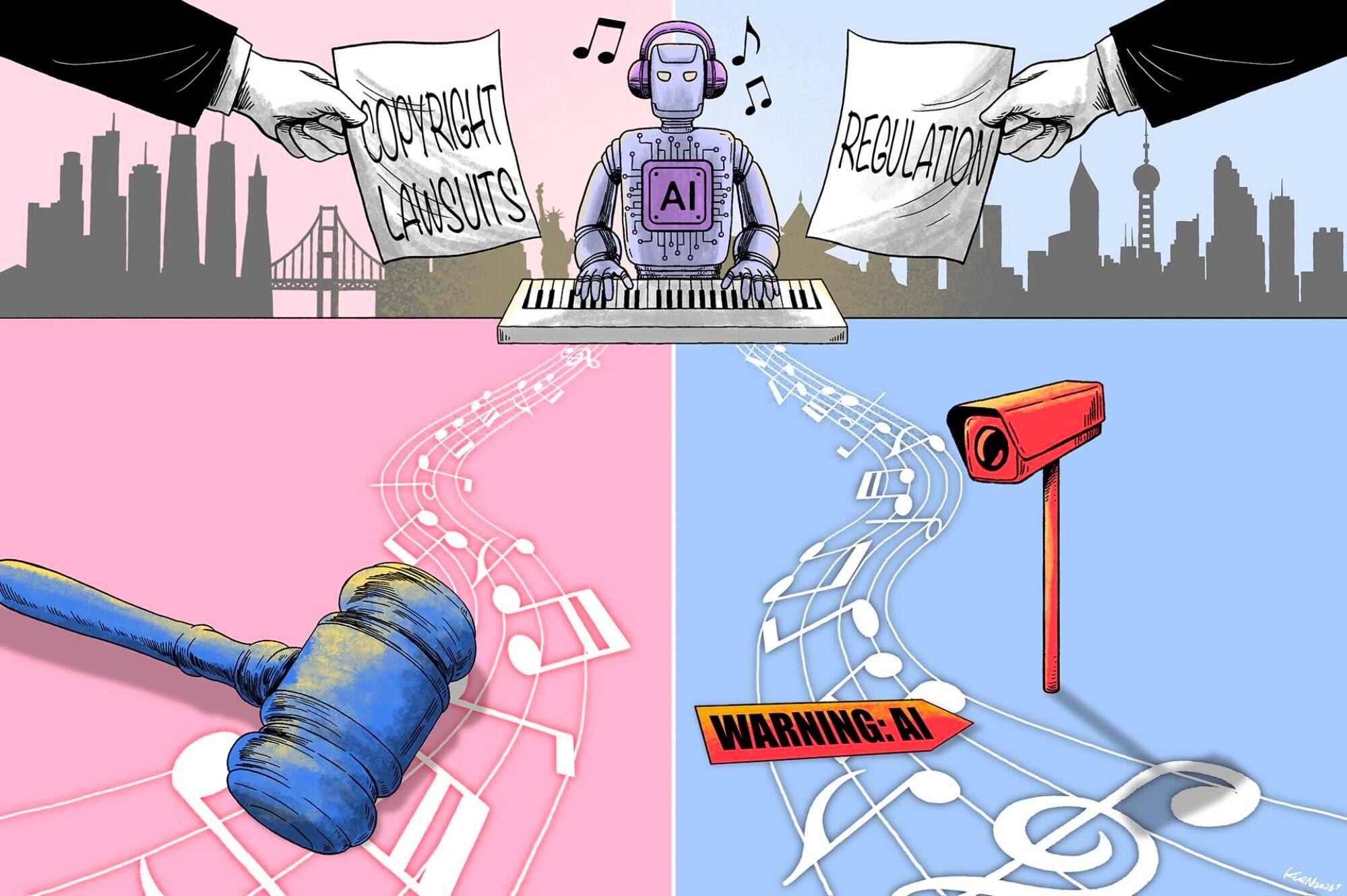
The bifurcated approaches taken by the two countries reveal their different views on AI “music”. The approach taken by the US effectively encouraged innovation in the field of AI-generated music.
But at the same time, this approach lacks safeguards for the interests of copyright holders. For example, in 2024, highly influential music companies Sony Music Entertainment, Universal Music Group and Warner Music Group filed lawsuits against AI music-generation tools like Suno and Udio.
These lawsuits brought the issue of AI-generated music into the public spotlight. Without such a case, copyright holders may not have realised the extent to which their rights had been infringed.
Furthermore, this approach is being questioned, as listeners might be fooled, as it does not require AI “music” to be explicitly labelled.
China has opted for a state-mandated approach imposing explicit disclosure and traceability requirements. AI “music”, including audio, needs to be clearly labelled as AI-produced content. It also imposes duties on social media platforms to identify and review AI-generated content.

China’s approach effectively distinguishes AI “music” from human-created music, reducing unnecessary competition that would harm both kinds of music creators. Concurrently, listeners’ rights to be informed are warranted, as they can tell whether the music they are listening to is created by AI or a human.
In conclusion, the different approaches reflect the two countries’ different understandings of AI-generated music. While the US tends to prioritise innovation and market freedom, China focuses more on transparency and regulation.
As teenagers growing up in the AI era, we are not only listeners but also future creators in digital culture. AI may become a useful tool for music production, but we should still value the human emotions and experiences behind art.
In a world of rapid technological change, perhaps the most important thing for us teenagers is not whether AI can create music, but whether we can still recognise and protect the meaning of genuine human creativity.
Lessons from the Shenzhou 23 launch
Una Cheung Lok-yiu, QESOSA Tong Kwok Wah Secondary School
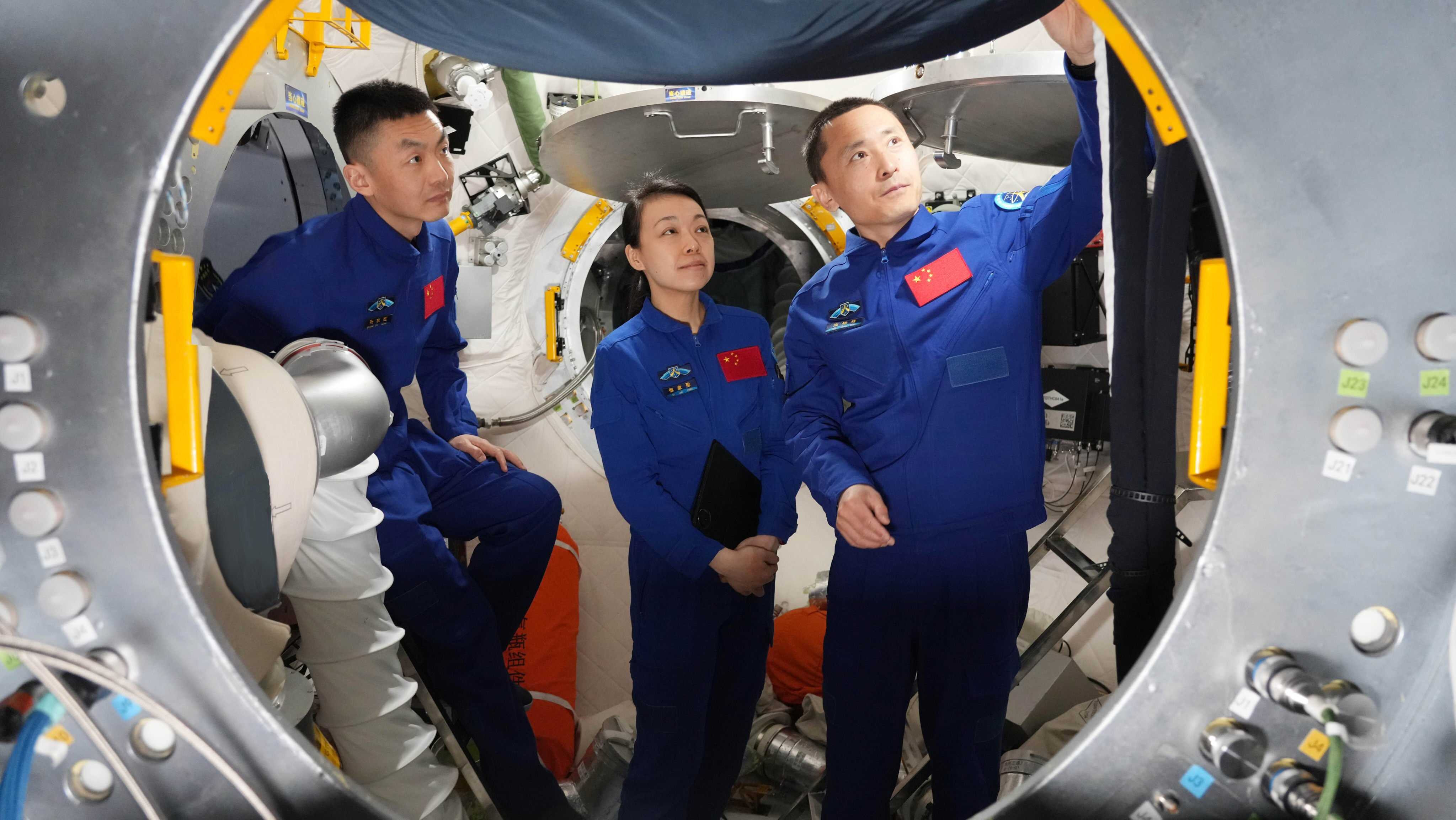
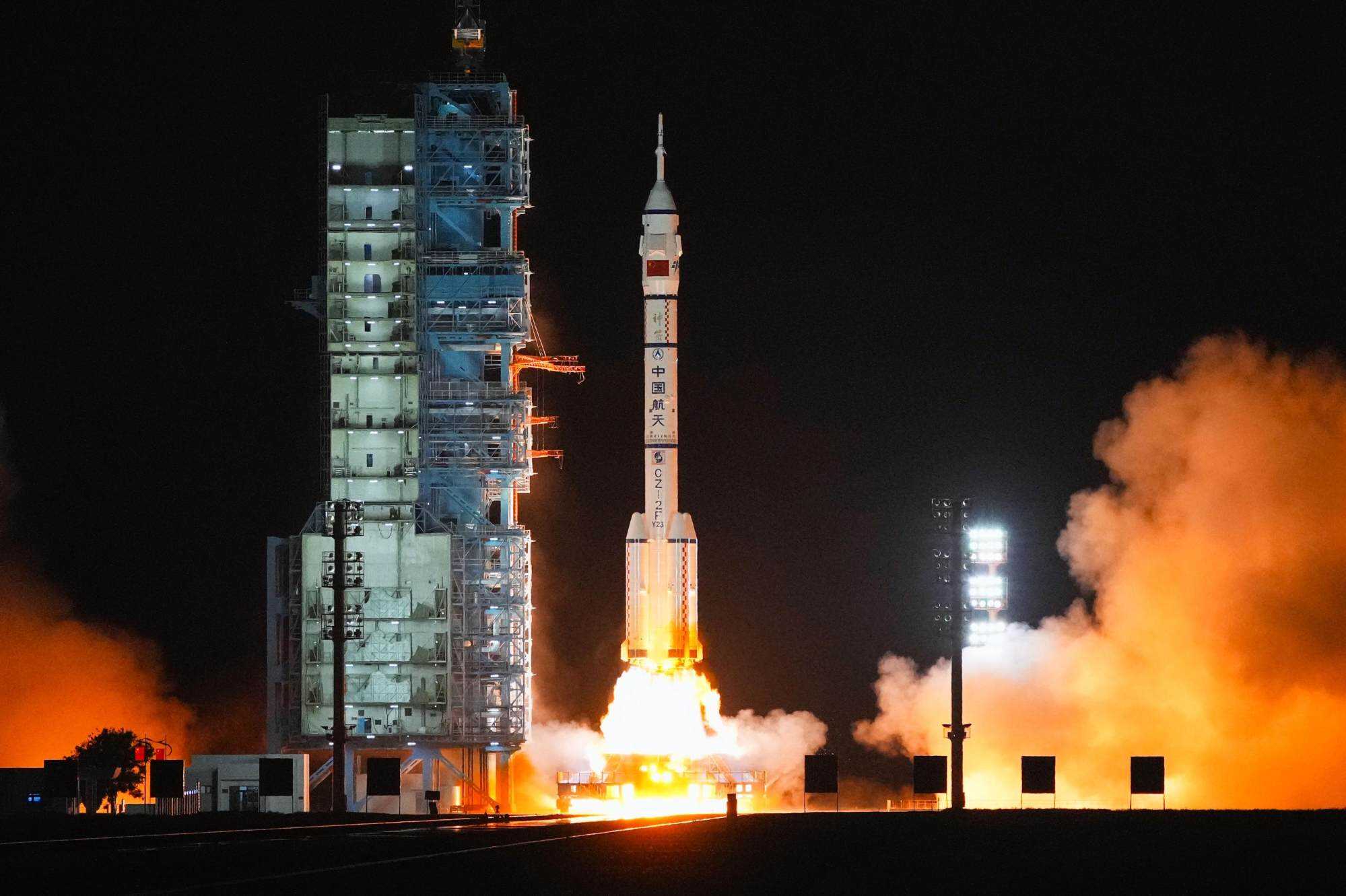
While most of the world watched the Shenzhou 23 launch through a digital screen, a few of my schoolmates were given the invaluable experience of witnessing it live from the Gobi Desert.
Hearing their awe-filled reflections made me realise how this journey into the cosmos has inspired us all. It is not just a triumph of science, but a powerful lesson in human potential for youth here in Hong Kong.
My schoolmates recalled the tension as the entire crowd chanted the countdown in unison, palms damp with sweat. The rocket looked like a small, blazing sun, illuminating the Gobi Desert and sending a roaring heatwave towards them from thousands of metres away as it charged into an unknown darkness.
For Hong Kong students, this mission carries an incredibly profound meaning.
On board was Lai Ka-ying, the first payload specialist selected from our city. My schoolmates recalled how the crowd, filled with people from every corner, burst into applause when her name was announced.
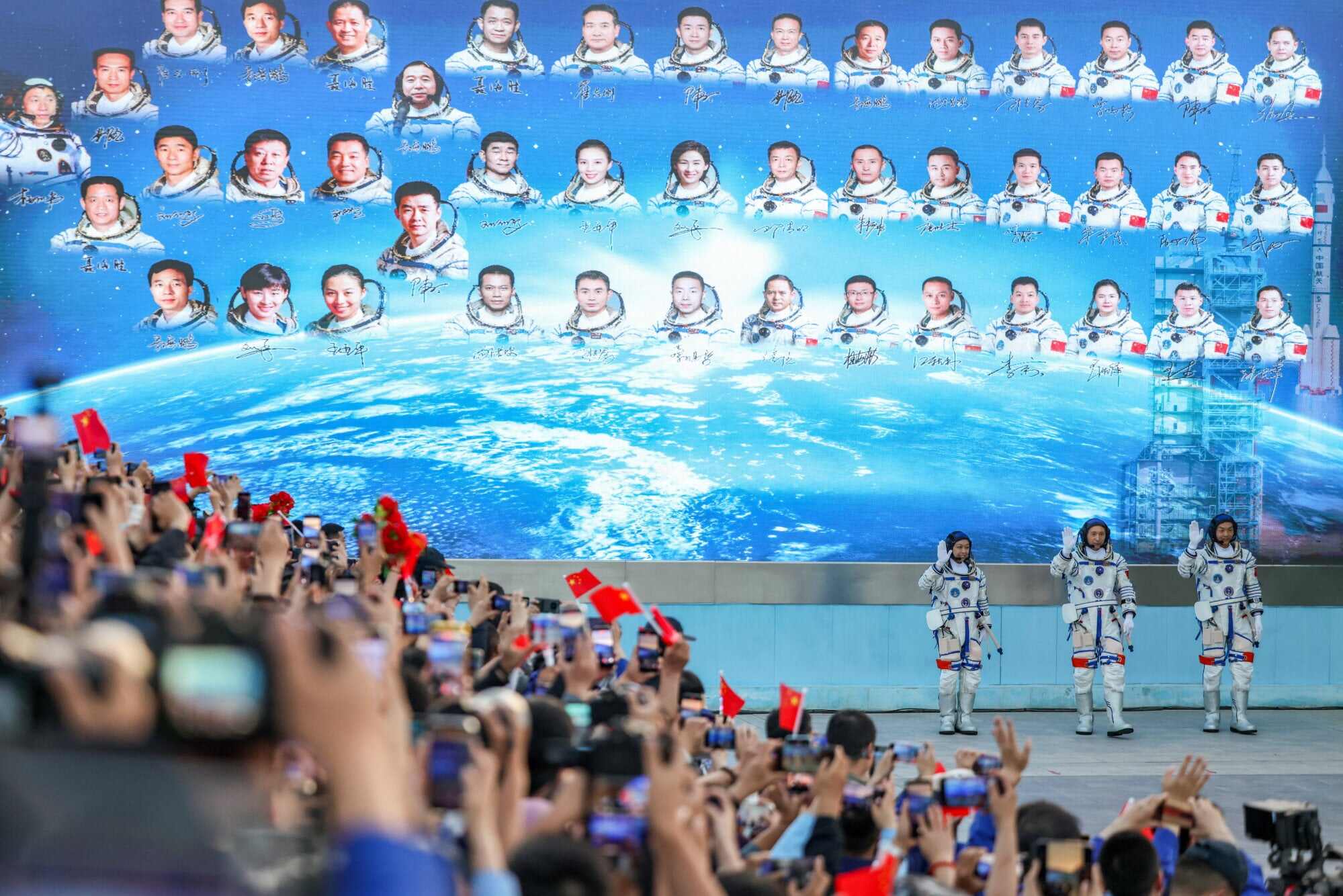
Lai proves that our youth are no longer just spectators in national scientific achievements. She embodies the brilliance and perseverance of Hong Kong women, proving that with enough courage to strive, we can also journey towards the stars.
My schoolmates also explained to me the scientific implications of Shenzhou 23. A full-year mission allows astronauts to conduct more experiments. It also gathers crucial data on human health metrics, which are essential for China’s goal of landing on the moon by 2030, and even reaching Mars.
The research into embryo development also helps scientists understand how microgravity affects the earliest stages of life, which is an important area when considering settlement on other planets.
Ultimately, this historic launch reminds us that an astronaut’s success is never a matter of luck. It requires thousands of hours of high-intensity physical and mental training. Lai Ka-ying’s journey is a wake-up call for Hong Kong youth to step out of our comfort zones and contribute to our land.
Sweltering Hong Kong summer
Cherish Chiu Cheuk-wing, Leung Shek Chee College
Hong Kong’s sweltering summer is not merely a season; it is an inescapable experience that blankets the city in its thick, humid embrace.
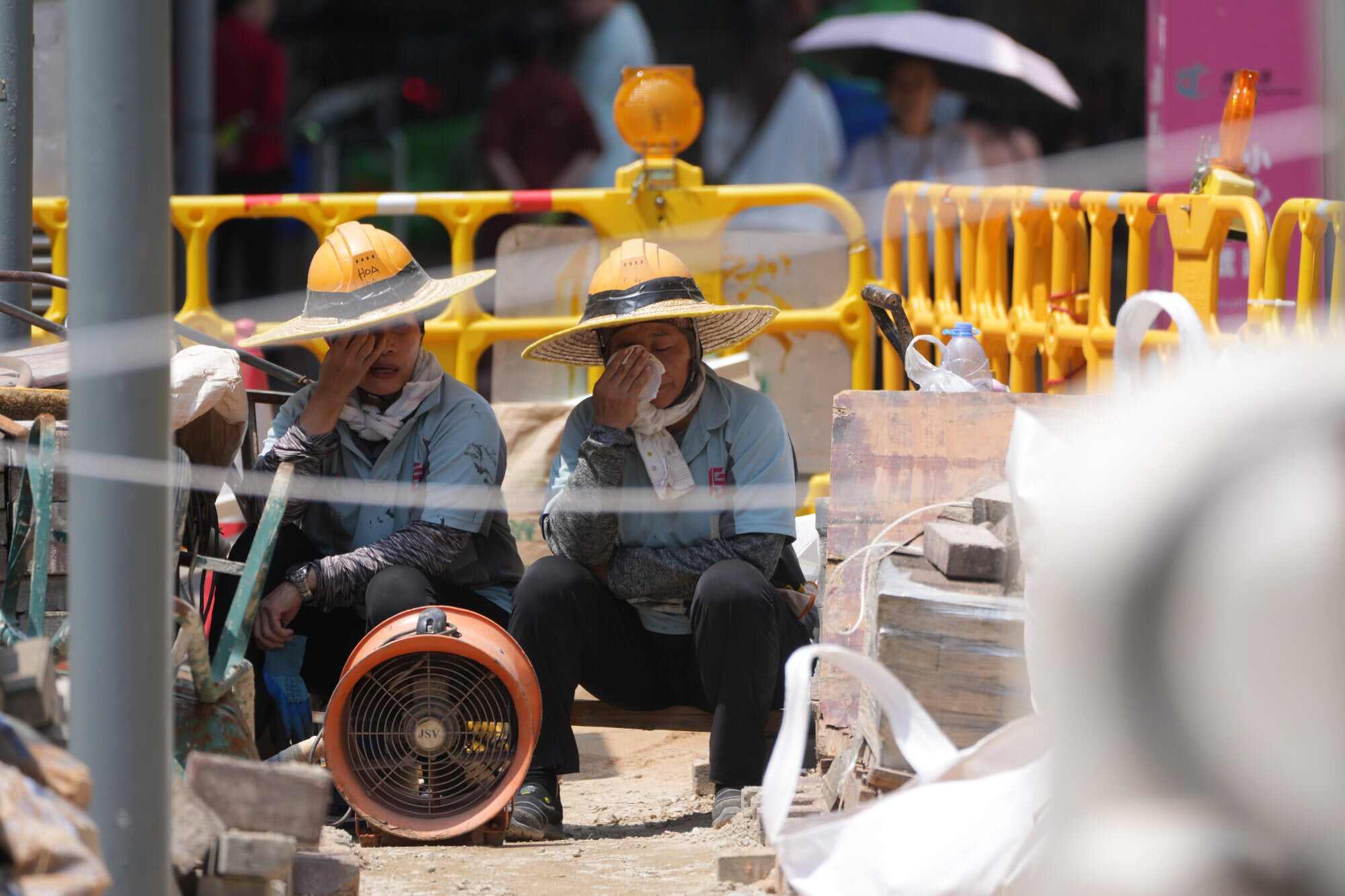
From May through September, the air itself feels tangible – heavy, wet and oppressively warm. The temperature regularly soars past 35 degrees Celsius, but with humidity often hovering above 80 per cent, the heat index can make it feel closer to 40. Stepping outside is like walking into a wall of warm soup; within seconds, a sheen of perspiration coats every inch of skin, and clothing clings uncomfortably to the body.
The sun, relentless and blinding, bounces off the canyons of Central and Tsim Sha Tsui, turning pedestrian walkways into veritable griddles.
Office workers, clad in suits, rush between air-conditioned sanctuaries. The iconic Star Ferry, once a breezy respite, now offers little relief; even the harbour breeze carries the sticky warmth of the South China Sea.
Yet, Hongkongers have adapted with characteristic resilience and ingenuity. The city becomes a symphony of survival tactics: ubiquitous convenience stores blast icy air the moment doors slide open. The elderly gather in air-conditioned shopping malls, not to shop, but to escape.
By late afternoon, dark cumulonimbus clouds often gather over the mountains, only for the steam to rise from the pavement the moment the rain ceases, making the humidity even more unbearable.
Nights bring little solace. The temperature rarely drops, and the concrete retains the day’s heat, radiating it back into cramped flats. Window-mounted air conditioners drone in a jarring chorus.
Despite the discomfort, there is a strange beauty to this sweltering season – the vibrant sunsets over Victoria Harbour, the frantic energy of night markets under buzzing fluorescent lights. Summer in Hong Kong is exhausting, but it is also undeniably, viscerally alive.