Have something to say? Send us a letter using this form.
Three days in a village on Nepal’s rolling hills
Aaryav Khaderia, Hong Kong International School
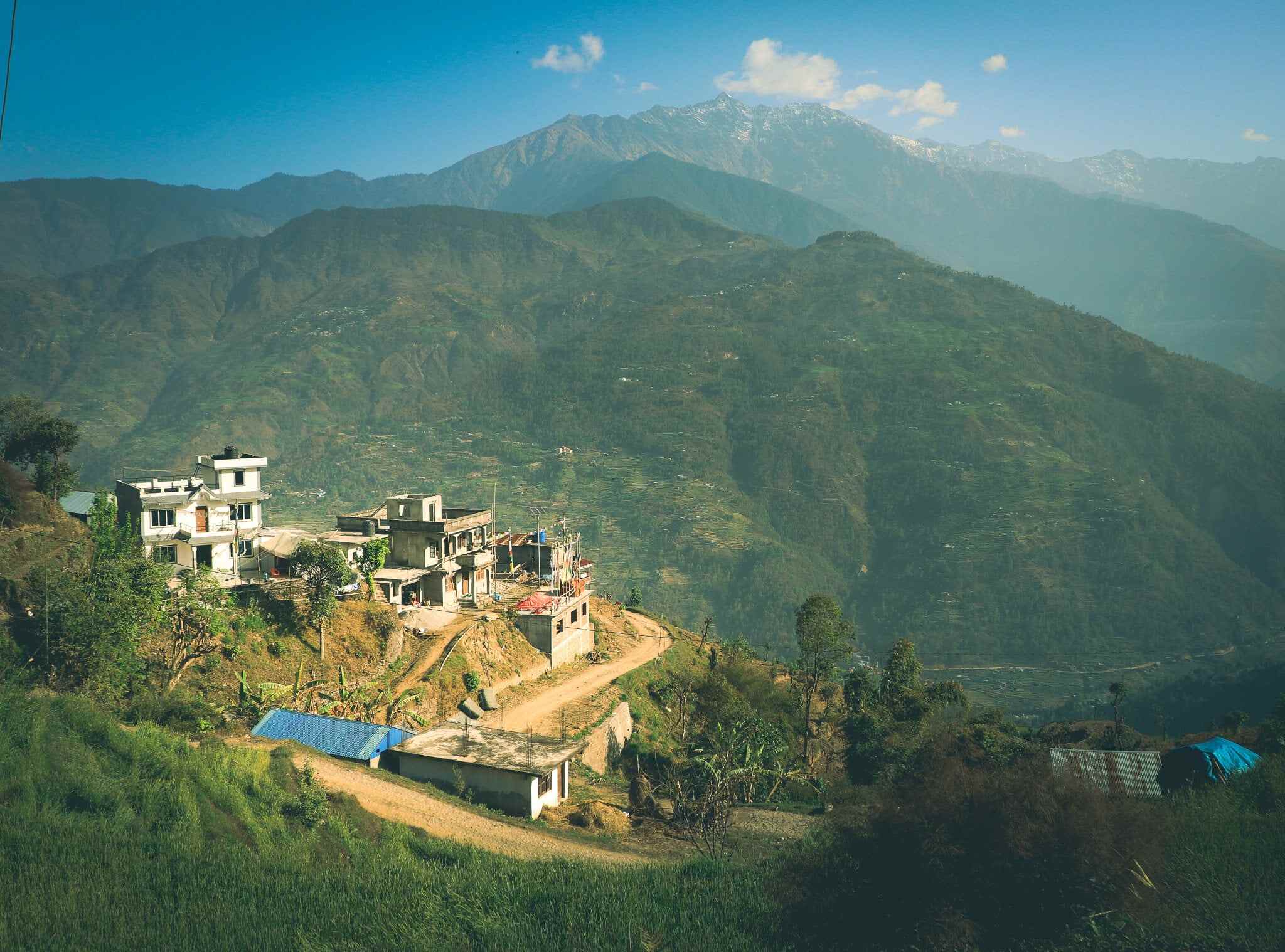
The morning breeze in Kathmandu tingled my skin as we boarded our bus, saying goodbye to Hotel Kailash Kutee for the next three days. Only a few hours later, we were whisked away into the Nepali countryside, a stark contrast to the billboards, horns, hikers turning in after a long flight and little stores selling chips that filled the city.
Now we laid our eyes upon rolling hills and steppe fields filled with livestock as far as the eye could see. We were to stay in a secluded village for the next three days.
The trip was intended as a service-oriented project and centred on building a biogas dome for a family. However, it’s important to understand, when reflecting on this experience, that, sadly, many volunteer trips have limited impact on the communities they seek to help.
Not only are they often profit-oriented, resulting in few funds for communities, but students also often lack experience and slow down the work process. As a result, such experiences should be seen as cultural learning opportunities where participants can develop a passion for service rather than projects to “save” the less fortunate.
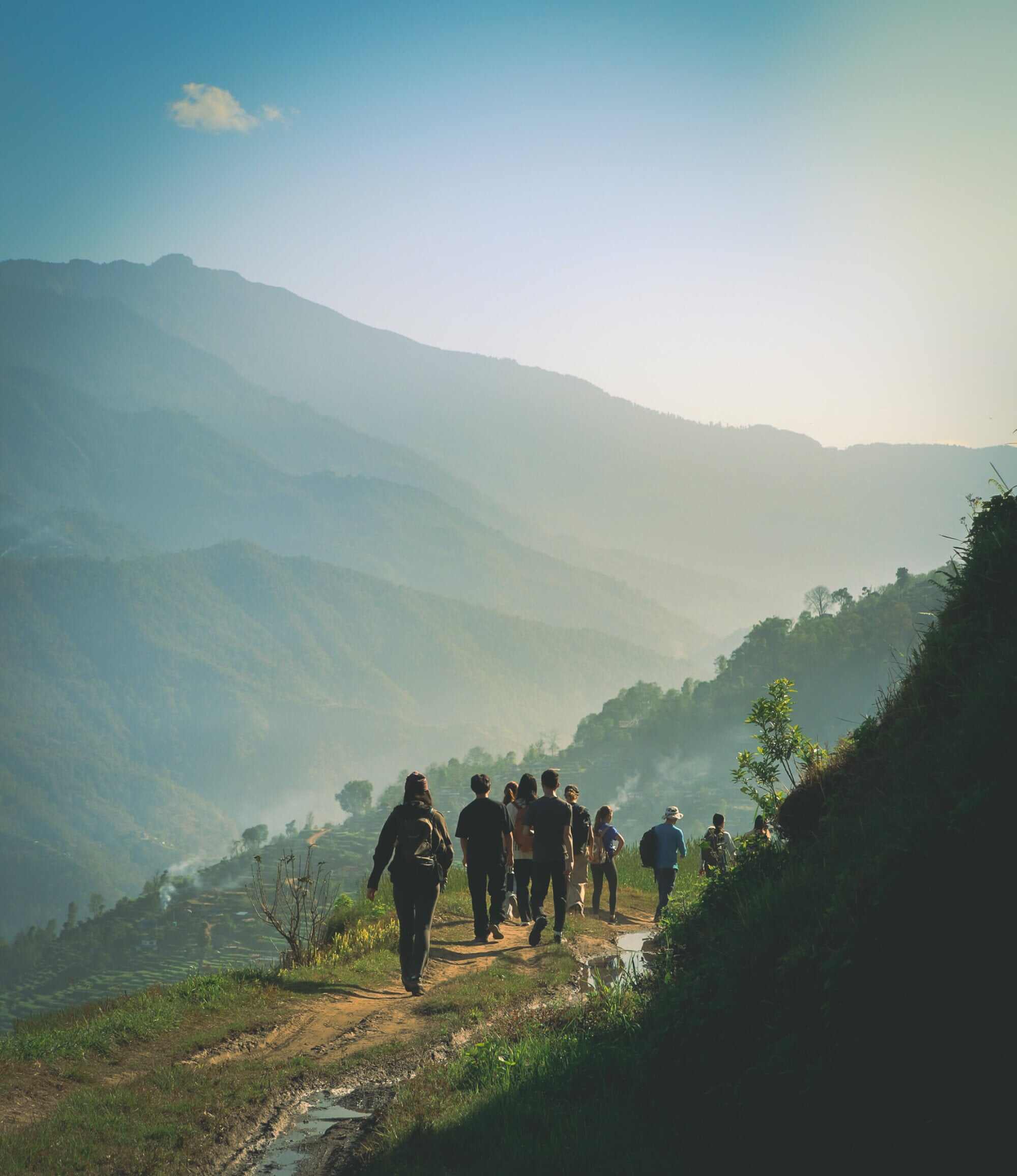
It was impossible to feel out of place on the first night, as we were told stories about the Tamang people over dinner, welcomed with ornate white cloth garlands and given rooms in both the family’s home and the local monastery.
Each person, no matter their struggle, background or whether they had just spent back-breaking hours collecting firewood, would greet us with a beautiful smile and say, “Lhaso!”, meaning “hello” in the Tamang language.
Their hospitality and kindness were their first lesson to us all: to always see the best in others and to welcome them with open arms. It is our duty not to first think of our purpose as serving ourselves, but as being a companion to those around us.
As the next three days passed, the pristine simplicity of life in the village began to sink in.
I learned to be content without a warm shower or a continuous internet connection, and to feel free of external distractions. I understood how to be more mindful and considerate of those around us; that among the vast hills and the differing lives of every person, we are all merely just another drop in a vast ocean.
Most transformative was helping construct the biogas dome. The dome, once completed, would be an environmentally conscious solution to save a family the manual labour of collecting firewood for cooking and the toxic fumes released by burning it.
At times, our group hindered the project, exhausted by the blazing sun. However, the process brought us closer together. I was pushed to forget my own self-importance and instead give myself to those around me, even for a moment.
Each group member’s impact on the biogas dome may not have changed someone’s life, but coming home, we are better people for the experience. We are all more resilient, and better value serving others.
Finally, as the last day’s sun awoke us, we sat around a table with one of our tour guides for a mindfulness session. Through a discussion of Buddhism and reflection on the past three days, he gave us clarity about our experiences and about desire and craving as the root of all struggle. Too often, we give ourselves to distractions rather than to achieving enlightenment. Being content with less, with simplicity, we could live a truly happy life.
Our last afternoon was spent playing volleyball, dancing and making friends with the village children. Again, I was amazed by their openness and hospitality, and again, I was reminded of the lessons we brought back home, the beautiful culture we were graciously allowed to experience, and the memories we made.

The long-lasting impact of looks-based bullying
Isabelle Cho, Canadian International School of Hong Kong
“You are a fat pig.” These five words were said to me when I was a five-year-old kindergartener. I don’t have many memories from that time, but two of the most indelible ones were being teased by classmates for being “fat”.
Once, when I was mocked by a boy while walking to the playroom, and another time in dance class by a classmate. I could only escape this reputation with my family and friends.
The worst part? I thought it was normal to be bullied for looks, even as a little kindergartener. That is how toxic beauty standards are. They trap everyone – from toddlers to children, teenagers, adults and the elderly.
Does society realise how harmful these standards are? The harm is not a temporary impact; it can last for a long, long time, even years after the damage has been done.
StopBullying.gov, an official United States government website, says the long-term effects of bullying include depression and anxiety, self-esteem issues, decreased academic success and more.
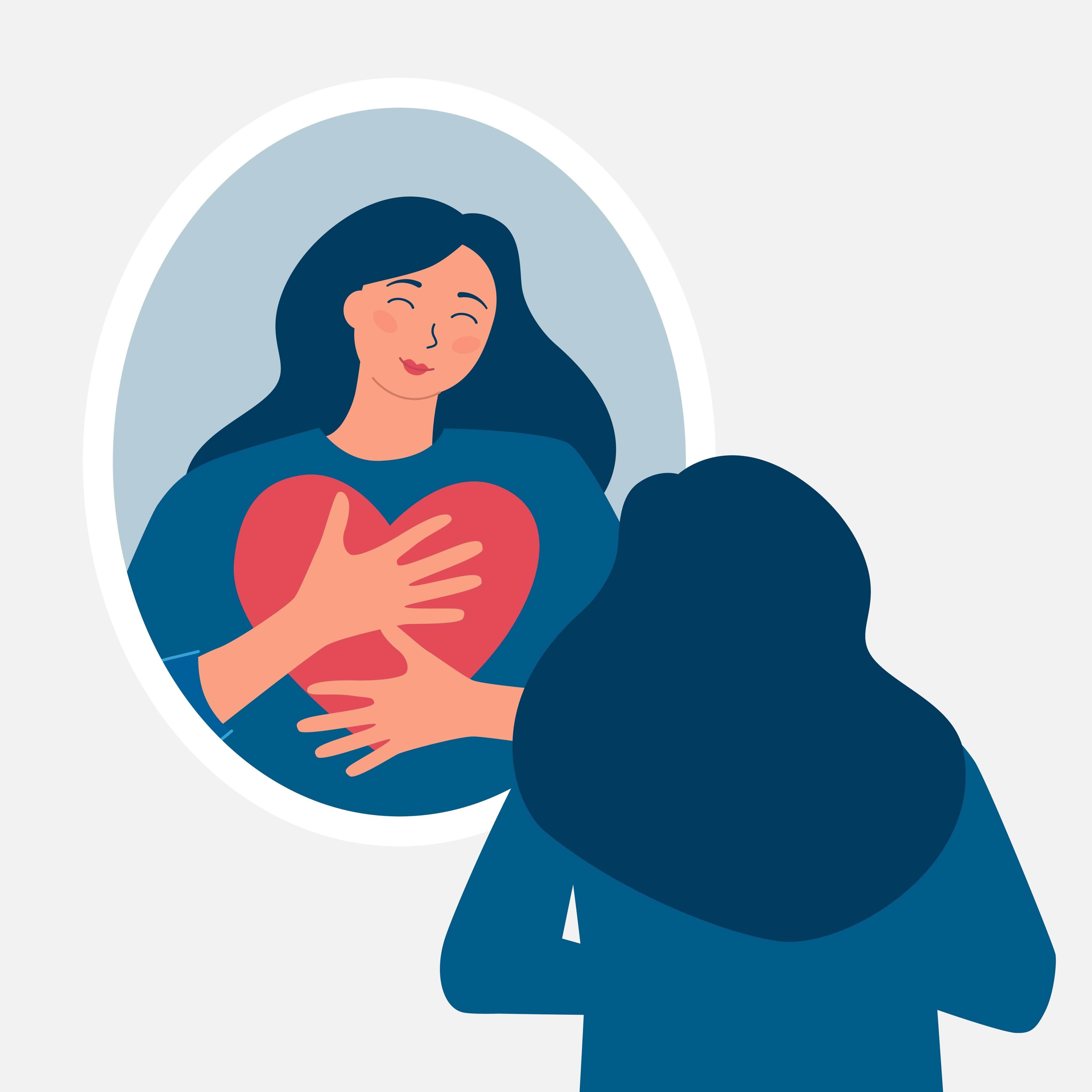
In my case, it was self-esteem. Because even now, there are times I stare into the mirror and wonder if I’m still “fat” like I used to be. My eyes tell me I’m not, but my mind asks: “Are you sure what you’re seeing is the truth?”
I would say the impact of being body-shamed has been minimal for me, as I remember only fragments of those experiences. But unfortunately, others have suffered far more devastating consequences.
In 2021, a 13-year-old Dublin girl named Sophia died by suicide after being bullied about her weight, leaving her family heartbroken and sparking renewed concerns about cyberbullying and body shaming.

But that is not all these beauty standards have done to society.
Beauty standards actively rewire the way we see the world and what we believe is “normal”. The most absurd part of my personal experience was that I was not teased as a teen – and probably will not be at 30 – but at the tender age of five.
It should have been an innocent and carefree time, but I was still surrounded by such beauty expectations. This is why kids are losing precious years of their childhood to the pressure to grow up faster than previous generations did.
A 2022 BBC article says the cognitive and emotional milestones of children of our generation are still the same, yet the things they are being exposed to are constantly shifting. Kids are constantly being exposed to information via social media – information that is directed at adults.
This is what Shelley Pasnik, senior vice-president and director of the Centre for Children and Technology, a research group based in New York, leads to “children confronting adult realities before they are developmentally ready to do so”.
There is fundamentally no good in setting these beauty standards. Some may argue that beauty is a form of expression, but is it manifesting that way?
It appears beauty has just become another form of pressure to meet expectations about how we should look and behave, as one Women’s Journal article says. And often, these expectations are unattainable, causing body dissatisfaction and mental health issues. Would you call that a form of expression?
Next time, before you prepare to judge someone on their looks, think: “Is this doing any good to them? Is this doing any good to the future I will be living in?” Because you just might be tearing a whole society apart with your hurtful words.
If you have suicidal thoughts or know someone who is experiencing them, help is available. In Hong Kong, you can dial 18111 for the government-run Mental Health Support Hotline. You can also call +852 2896 0000 for The Samaritans or +852 2382 0000 for Suicide Prevention Services. In the US, call or text 988 or chat at 988lifeline.org for the 988 Suicide & Crisis Lifeline. For a list of other nations’ helplines, see this page.

Geologist Carol Ho rewrites stereotypes and breaks ground
Connie Liu, St Rose of Lima’s College
I am writing to express my deep admiration for your recent article featuring Carol Ho, a 24-year-old assistant geologist who has chosen muddy construction sites and offshore boats over the comfort of an office desk.
What makes this piece truly compelling is not just its subject, but the multilayered themes it so skilfully explores.
First and foremost, the article boldly breaks traditional stereotypes surrounding women in the workplace. Society, whether consciously or unconsciously, tends to label women as elegant, delicate and tidy – qualities that supposedly belong in clean, air-conditioned offices rather than rugged, dirty construction zones.
Women are often expected to occupy roles that align with conventional femininity, and any deviation from this norm is met with surprise or even disapproval. Carol Ho rewrites this stereotype entirely. She wades through knee-deep mud, climbs down narrow pits, and works on offshore boats battered by wind and waves.
Her career does not match conventional feminine expectations in the slightest, yet she remains steadfast in her choice. Why? Because her passion for geology fuels her commitment to fieldwork. She does not see herself as an exception to a rule; she simply sees herself as someone doing what she loves.

Secondly, the article highlights Ho’s remarkable resilience.
Working within a male-dominated industry, she has encountered numerous obstacles along the way. The working environment itself is harsh – extreme weather, physically demanding tasks, and long hours away from home.
Beyond that, she has also faced unfriendliness and scepticism from male colleagues who may have doubted her abilities or questioned her place on the site. Yet Ho did not retreat. She persisted. She tackled each challenge head-on, proving time and again that competence and determination have nothing to do with gender.
Her resilience is not just personal; it is a quiet but powerful statement that women belong in every field they choose to enter.
Most inspiringly, the passage conveys a profound and universal idea: that every individual, regardless of occupation, deserves equal respect.
Ho herself articulates this beautifully when she says she sees no distinction between herself and the site foremen, declaring simply, “We’re all dirty.” In those three words, she dismantles the hierarchical thinking that often plagues workplaces.
She reminds us that whether one holds a degree in geology or has spent years mastering a trade on-site, every occupation pursued with dedication, skill and expertise is worthy of admiration. There is no shame in getting one’s hands dirty – literally or metaphorically – if the work is meaningful.
In a world that often measures worth by job titles and salary brackets, Ho’s story is a breath of fresh air. It teaches us that passion, perseverance and mutual respect matter far more than superficial labels. It challenges us to look beyond appearances and recognise the dignity in all forms of honest labour.
Thank you for bringing Ho’s inspiring story to light. It has left a lasting impression on me, and I am certain it will resonate with countless other readers.