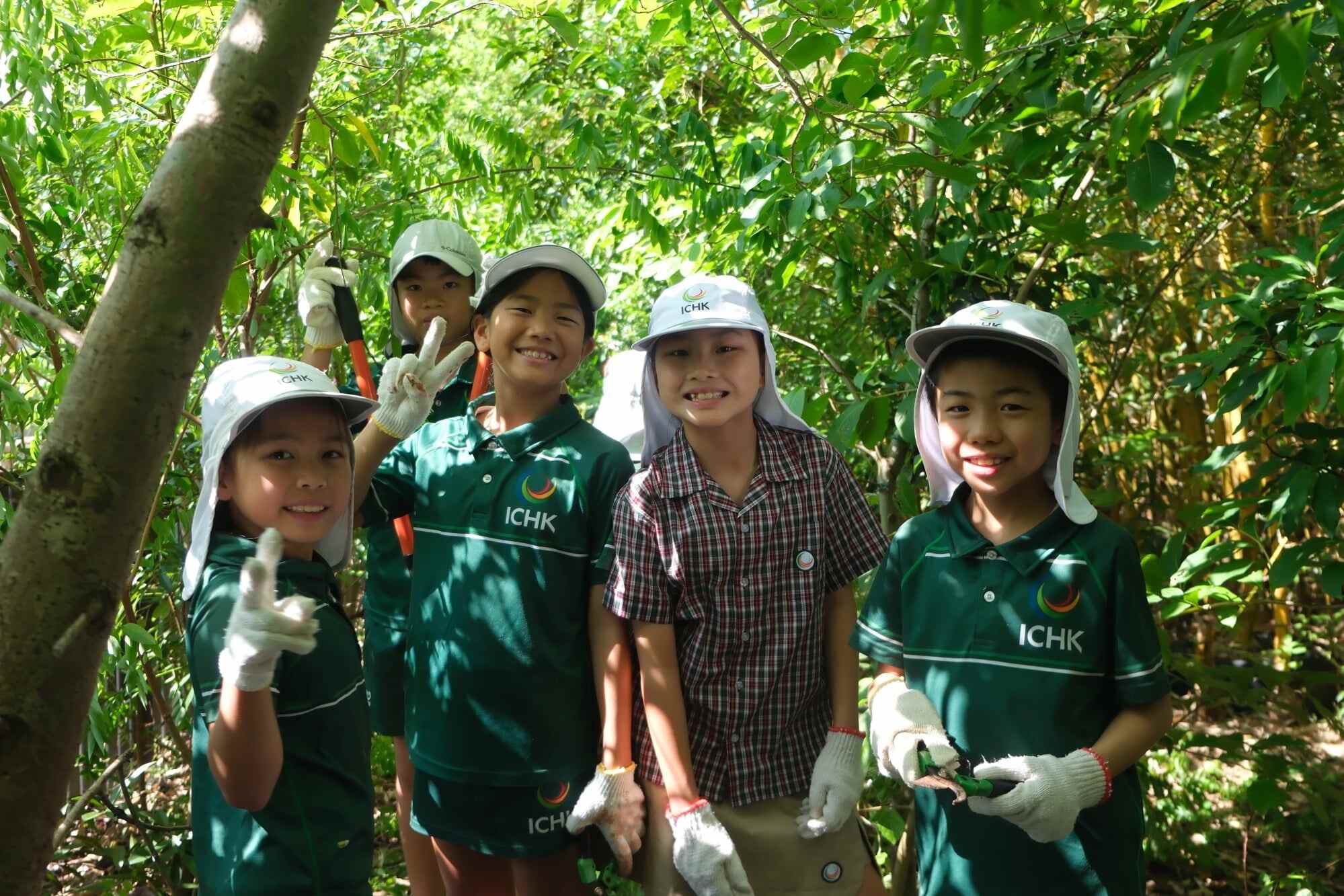
When pupils in a primary school in Hong Kong’s Tai Po district struggle with their emotions, they have learned to use colours to express themselves.
At ICHK Hong Lok Yuen (Kindergarten & Primary), blue is for sadness or tiredness; green is for focus; yellow is for worry; and red is for feeling out of control. After identifying their emotions, pupils learn strategies to regulate them.
For example, a student might tell a teacher: “I think I’m in the yellow zone now. Could I have some time outside?”
This system, inspired by the “Zones of Regulation”, gave students “a common language they can use to share their emotions”, principal Derek Pinchbeck noted.
“To really self-use and internalise [the ‘zones’] is difficult for some ... [but] the general language is something that is easy, on that core level, to comprehend,” he said.
For its social and emotional learning curriculum, the primary school was honoured earlier this month as one of the city’s champions in the AIA Healthiest Schools Competition. The two winning schools received US$50,000 (HK$392,000) to support their well-being programmes.
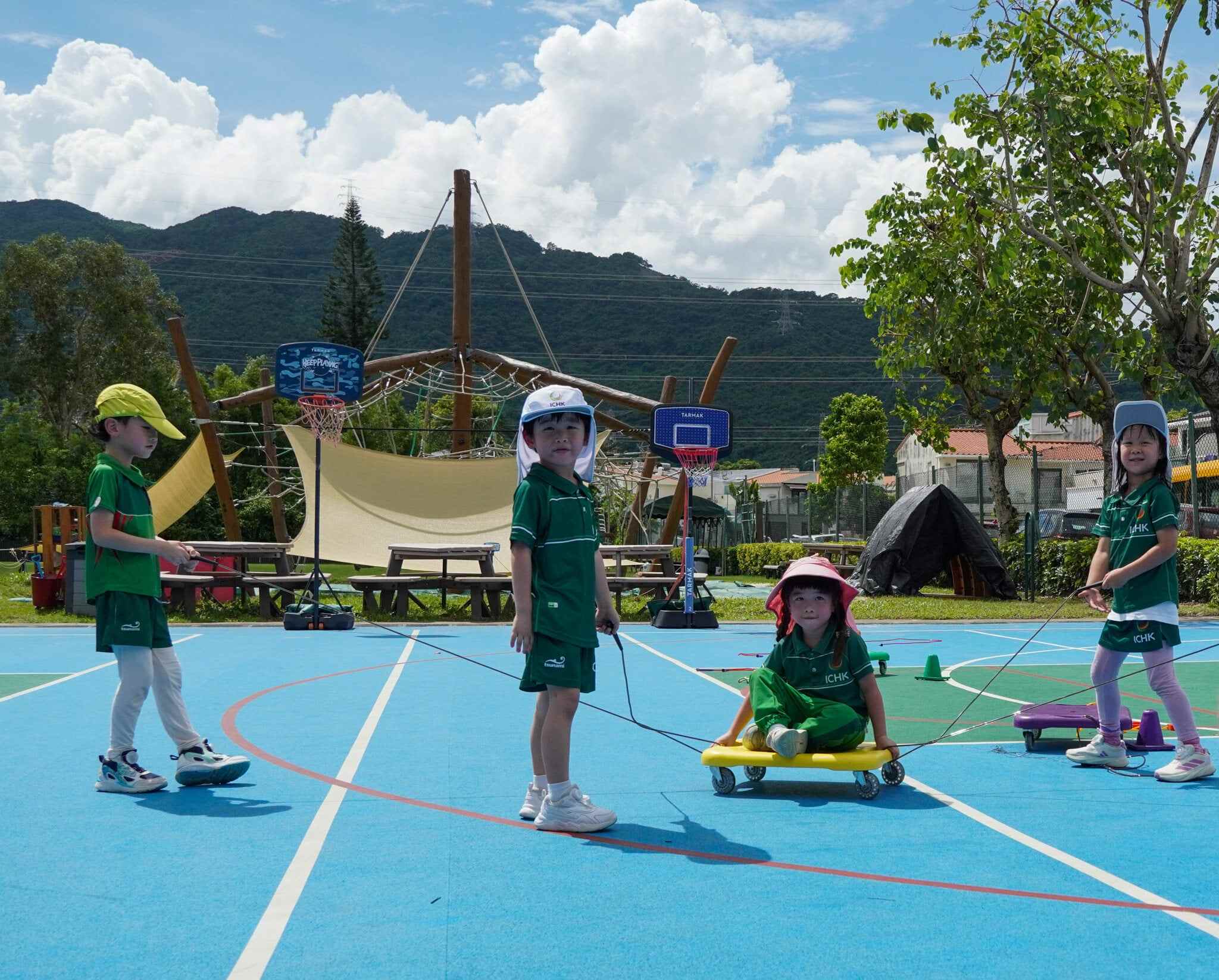
To Pinchbeck, the curriculum is just the start; pupils must independently practise these skills while playing.
“You’re putting into practice all of this social and emotional learning when you actually have that freedom to run around and to play,” the principal said.
Promoting health across the Asia-Pacific
Open to primary and secondary schools across the Asia-Pacific region, the AIA Healthiest Schools Competition aims to encourage healthy eating, active lifestyles, mental well-being as well as health and sustainability.
In Hong Kong’s secondary school category for the contest, Hong Kong True Light College took the top spot.
Both of the city’s winners advanced to the final event in Thailand, where they had the chance to win US$100,000. Ultimately, Indonesia’s SMP IL Kapten Fatubaa was crowned the winner for its “Huka Upcycling Project”, which taught students to convert banana peel waste into ice cream, compost and fertiliser.
Carmen Hong Ka-man, a teacher and head of health education at Hong Kong True Light College, said that the Indonesian school had overcome many obstacles.
“[They struggled] not only [with] academic results, but some very basic needs, like water [and] electricity – and they only have two computers at their school,” Hong said.
Holistic well-being
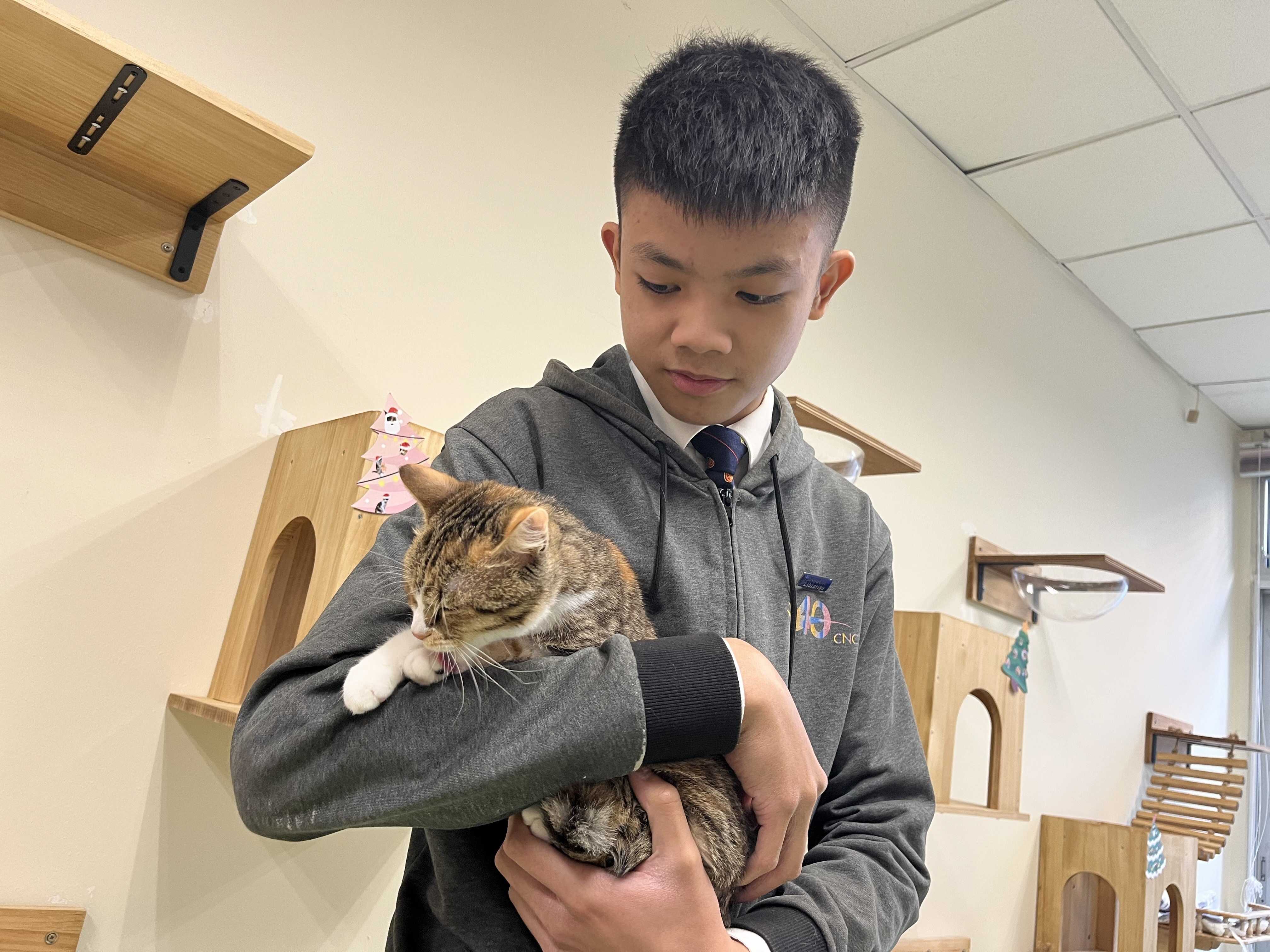
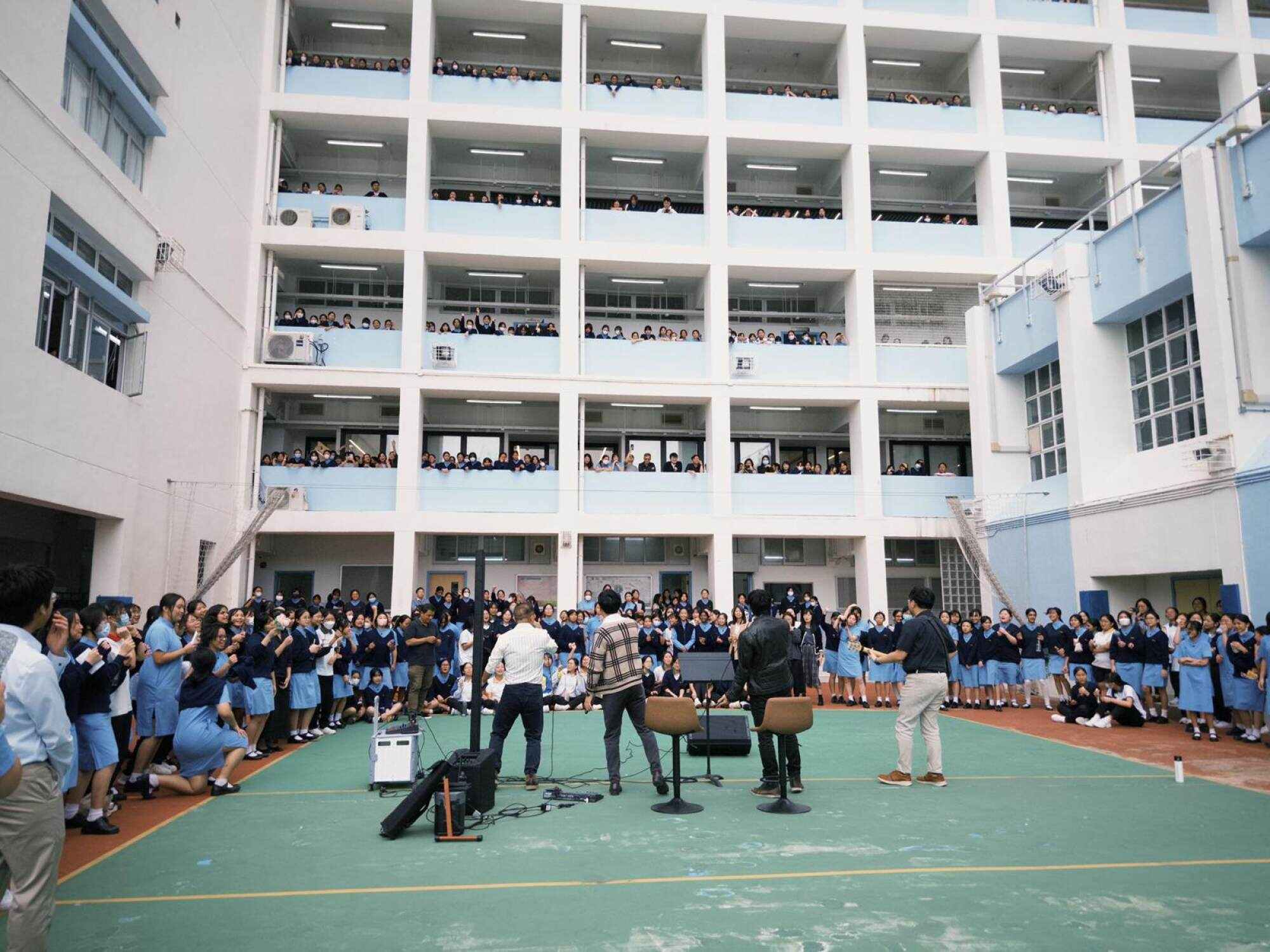
Hong Kong True Light College won the award because of its “Embrace Health, Empower Your Mind” programme, which principal Tammy Law Chor-wan called a “whole school approach ... [combining] mental health education, regular physical activities and student-led campaigns”.
She pointed out: “The biggest challenge was to engage different students with very different interests and schedules.”
The key was ensuring that every student found a programme they wanted to join.
“The most important thing [was] ... getting familiar with lots of students’ needs,” Hong said.
From student-teacher competitions and inter-class sports to cooking classes and latte art workshops, the school aimed to create something for everyone.
“For dancing, we have traditional Chinese dance, but we also have K-pop dance. For singing, we have the choir, a cappella and pop singing,” Law said.
Some activities were also scheduled during lunch so that more students and teachers could take part.
The school administrators said the programme led to an overall increase in students’ mental health scores on a questionnaire from the Education Bureau.
But Law noted that some students still had low scores because they did not eat breakfast and struggled with poor sleep, and she added that the school was working to help students address these issues.
The principal said the US$50,000 grant would fund student-made short films about interpersonal relationships and healthy living.