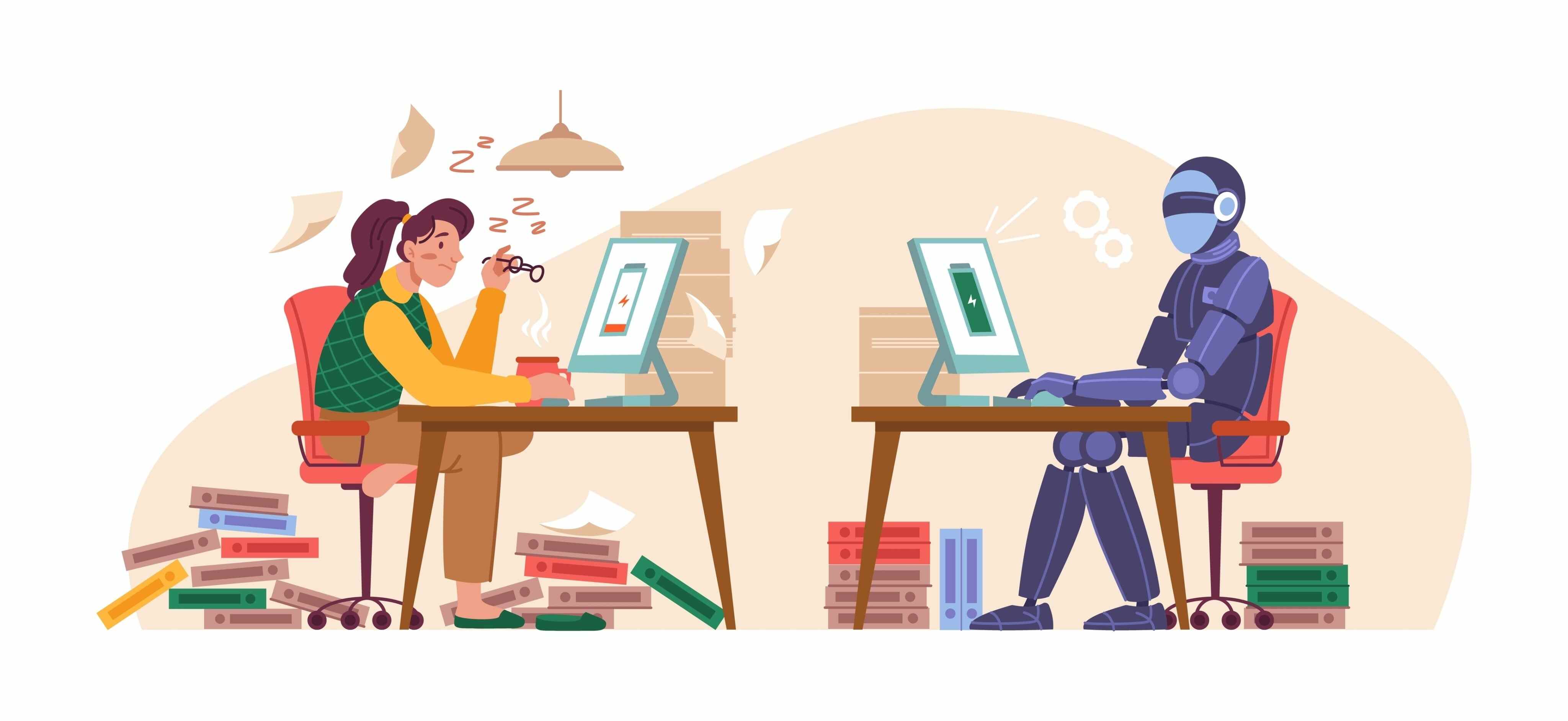
We’ve all experienced it. You’re sitting at your desk, the air conditioner is humming, and your document is staring back at you with a judgmental, blinking cursor.
Whether you’re trying to tackle an English essay, draft a personal statement for university applications, or write a caption for your latest Instagram reel, your brain has completely shut down.
Welcome to writer’s block. It’s frustrating, stressful and can honestly make you want to close your laptop and scroll on your phone for three hours. But here’s the good news: your creativity isn’t gone; it’s stuck, much like a traffic jam during rush hour.
This is your ultimate guide to clearing the tracks and getting your words flowing again.
Word vomit
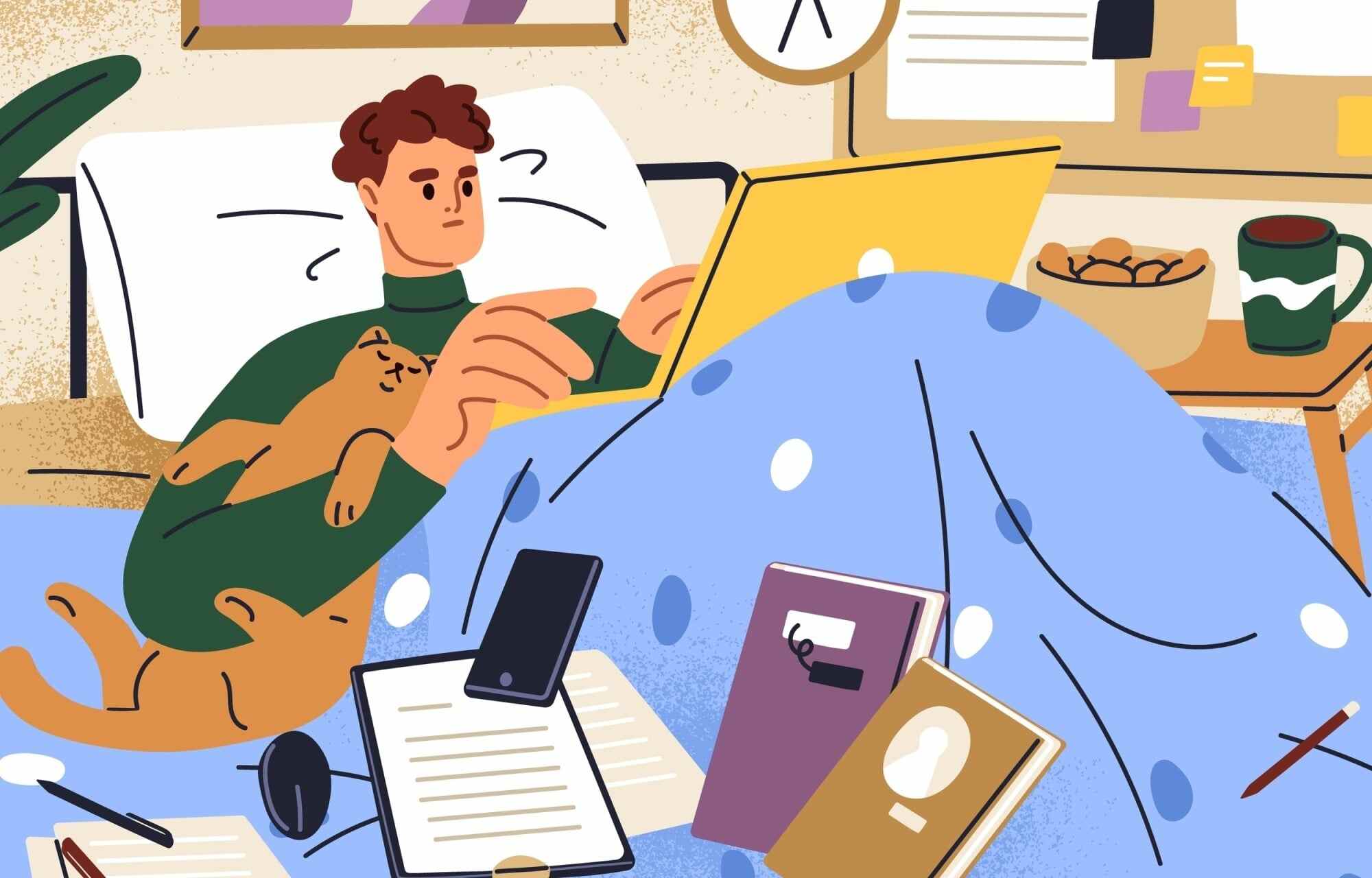
The biggest obstacle to writing isn’t a lack of ideas; it’s the pressure to create the perfect first draft. When you’re staring at that blinking cursor, you tend to edit while you write, which is like trying to drive a car with the handbrake engaged.
-
The rules: Give yourself permission to write the worst paragraph in history. Do not worry about grammar, structure or vocabulary.
-
Why it works: It is much easier to edit a poorly written page than a blank one. Once the words are on the screen, the pressure is lifted.
Use the “free-writing” trick
When the brain jams up, you need to trick it into moving again. Set a timer on your phone for exactly five minutes.
-
The rules: Put your fingers on the keyboard and start typing. You are not allowed to stop typing until the timer goes off.
-
Why it works: If you do not know what to write, just type: “I don’t know what to write.” Eventually, your brain will get bored with complaining and subconsciously drift back to the topic you actually need to work on.

Change your font
If you’ve been staring at the same default Times New Roman font for an hour, your brain might associate that visual layout with failure. Break the cycle by switching up your font.
-
The rules: Change your font to something else – even Comic Sans. Writing in a “silly” font might even lower your subconscious expectations, making it easier to type without overthinking. You can always change it back to something else later.
-
Why it works: A change of font can make your work a bit more refreshing.
Make a move
You don’t always need to stay in the same spot while you’re working.
-
The rules: If you are trapped in your bedroom, pack your bag and head to a public library or even another room in your house.
-
Why it works: Sometimes, a change of scenery and a little ambient noise are exactly what your brain needs to unlock.

Talk it out
Often, we get stuck because writing feels so formal. But if a friend sat down next to you and asked, “Hey, what is your personal statement actually about?” you wouldn’t freeze. You’d just tell them.
-
The rules: Open the voice recorder app on your phone and pretend you are explaining the topic to a friend. Speak naturally, use slang and do not overthink it. Once you’re done, play it back and type out what you just said. Boom – you’ve officially started writing.
-
Why it works: Not everyone learns best by writing. Some people’s brains work better when they are saying things out loud.