Applying to university can be overwhelming, but it’s important to choose a programme that fits your interests and needs.
We got advice from representatives of top overseas universities about how to figure out your passion and stand out in personal statements and interviews.
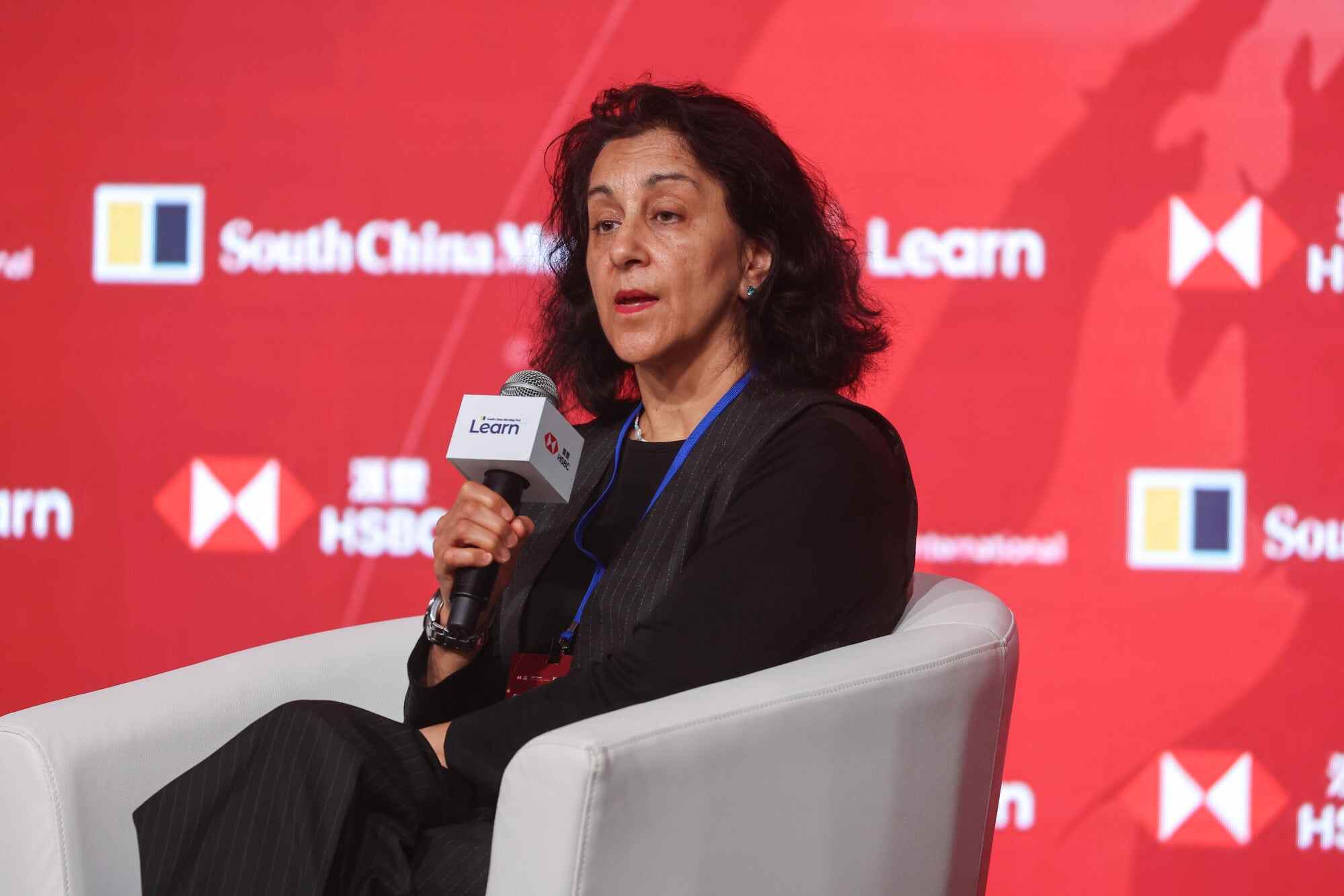
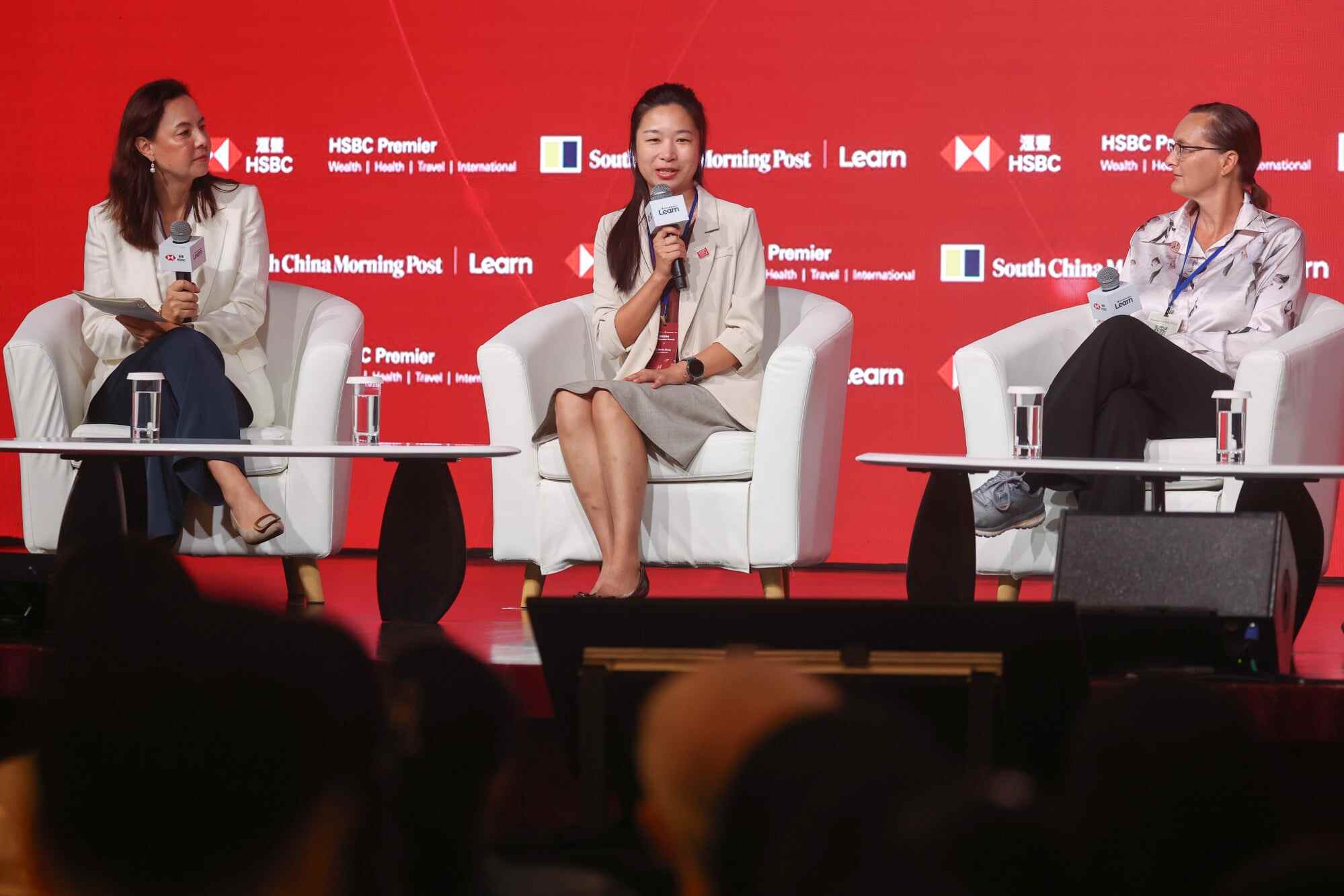
Speakers from the University of Oxford, University of Cambridge, King’s College London and New York University shared their tips at the Global Education Summit, organised by the South China Morning Post and HSBC Premier.
What subject should I study?
Sarah Hales, senior regional manager of admissions and access at the University of Cambridge, urged prospective students to dig into the content of a school’s courses.
“Go beyond the course headline. Go beyond the university ranking and actually look specifically at what you will be learning in that course,” Hales said. “It’s not just about getting into the university; it’s about getting on. Will you thrive? Will you be happy there?”

What qualities are admissions officers looking for?
“One of the things that’s really different about some of the courses you can have at … [top] universities is the interdisciplinary nature of the courses and the ability to tailor your own learning to suit you,” Hales noted.
“We’re really looking for those students that have that passion, that commitment, that critical thinking [and] that desire to go beyond the curriculum to explore.”
Mandy Zhang, head of East Asia for the global student recruitment and admissions directorate at King’s College London, stressed the importance of student growth and resilience over time.
She said: “You may not be the very best at this course in the beginning. But gradually you’ll find your place [and] your passion through either coursework, projects or engagements with your tutor or your classmates. That’s really something we want to see – the drive [and] the curiosity.”
How can I make my personal statement stand out?
Admissions officers emphasised the need for authenticity and reflection over perfection.
Samina Khan, director of undergraduate admissions and outreach at the University of Oxford, said: “This is a personal journey, so we are looking for you to tell us about you. What is it that’s unique about you? What are you bringing to the table from your experience of having lived in Hong Kong?”
She added: “If you’re studying history, what is it you’re reflecting upon in terms of Hong Kong’s history? … We’re looking for those personal reflections – your thoughts [and] your ideas, where you have gone into the depth of your academic subject that you want to study.”
William Sichel, assistant vice-president of undergraduate admissions at New York University in the United States, warned applicants against over-editing their personal statements and relying solely on artificial intelligence (AI) tools.
“You may end up with a perfect essay, but that has no humanity. That doesn’t tell us anything about you,” Sichel noted.
“We’re looking for authenticity. We’re looking to understand who you are. We’re looking to understand more about your story [and] more about what makes you, you.”

How should I prepare for my admissions interview?
Admissions experts pointed out that interview styles could vary across different countries.
Bob Fan, managing partner at admissions consultancy True North Education, said British admissions interviews would usually be more academic while US ones were more conversational.
“[For schools in the United Kingdom], students are being asked about their thought process – how they approach certain questions. And so that’s how admissions officers really evaluate their intellectual abilities for UK universities,” Fan said.
“For US-style interviews, the admissions officers and companies that do interviews are trained to tease out specific details from students so that they can’t just avoid [answering] … about a certain passion.”
On the other hand, Khan, from Oxford, reassured reserved candidates that being shy would not be a barrier to admission.
“We are looking for somebody who is passionate about their subject, and they can have whatever personality that they come with. We cope with all different personalities,” she said.
“We will draw people out who are naturally reserved and quiet and be able to get the best out of them … So if you are naturally reserved, then one of the things that you may start to think about is building up your oracy skills in terms of being able to answer academic questions.”