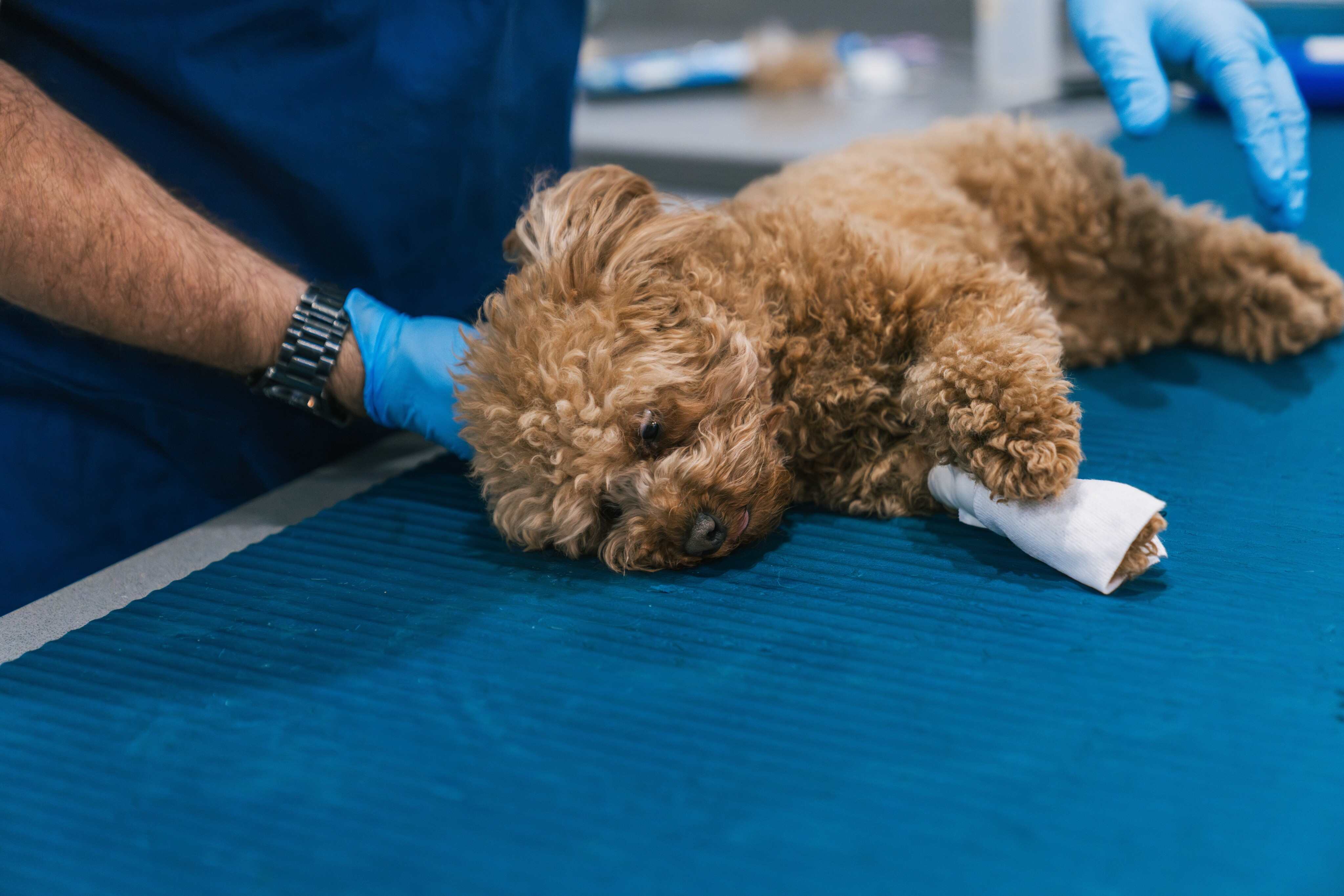
Just a few years ago, pet owners would ask vets about information they found online for their pet’s symptoms. Now, “Dr Google” has evolved into “Dr AI”. But can artificial intelligence (AI) replace a visit to a real vet?
While online tools are tempting, the short answer is no, though AI can be a great sidekick if used correctly.
Relying solely on AI carries real risks, such as delaying necessary emergency care. If AI suggests that something is just a minor issue, owners might wait too long to get help, only for the pet’s condition to deteriorate rapidly.
AI also lacks a vet’s ethical judgment and ability to weigh complex decisions about an animal’s quality of life.
Problems with relying on pet owners’ observations
AI relies on the accuracy of the user’s description of an animal’s symptoms. If you misinterpret what you see, a chatbot’s diagnosis will be completely off track.
AI also suffers from confirmation bias and hallucinations.
If an anxious owner asks, “Could my dog’s limping just be a pulled muscle?”, the chatbot will often validate that rather than warn of a torn ligament.
It can also generate plausible-sounding medical advice that is factually wrong.
For example, in response to the description of a dog’s limping, AI might ask an owner to limit the animal’s activity to short leash walks and apply a cold compress to the leg to reduce inflammation. But if the pet actually has a fracture, this advice could worsen its condition because it shouldn’t be walking at all and needs immediate medical attention.
The chatbot might also suggest only contacting a vet if the limping does not improve after a week. But in fact, delaying a proper exam can lead to permanent joint damage or severe arthritis.
Even when vets like myself try to answer an owner’s questions over the phone, it is often a whole different story when we examine the animal in person.
When we cannot see the animal ourselves, all we can rely on is an accurate description of its symptoms. Because owners see their pets daily, it is hard for them to detect tiny changes that accumulate over time.
For example, we frequently see underweight pets whose owners thought they had only lost a little weight. As such, it is always a good idea to keep a record of your pet’s weight. That way, you can track big changes and see if they may be getting sick.
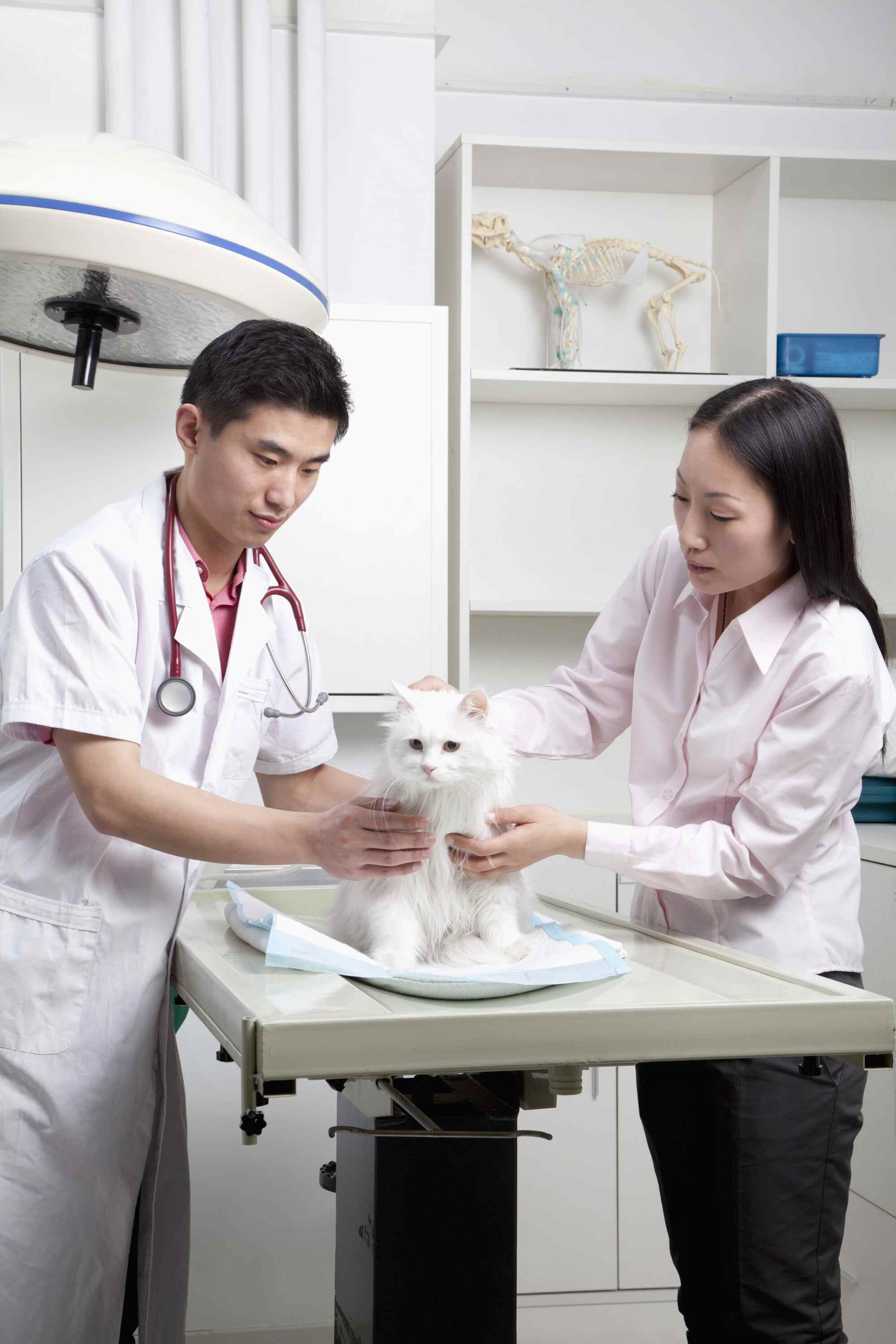
Hands-on examination is key
Furthermore, our furry friends cannot speak in our language. They cannot tell us where it is hurting, whether their belly feels bloated, or if their drooling is from a sore tongue or a bitter ointment they licked hours ago.
That is why they need an accurate clinical diagnosis instead of digital tools.
Vets use hands-on examinations to assess patients. These are crucial because they dictate whether to proceed with urgent diagnostic tests.
Physical examinations can include doing a skin tent test and checking the gums for dehydration, as well as listening to heart sounds for murmurs or gallops. We also feel for any lumpy bumps, which, for instance, can mean polycystic kidney disease in many Persian and Exotic Shorthair cats.
Mastering these physical exams requires knowledge and repeated practice. AI cannot feel an abdominal mass that mimics a mild stomach bug. A chatbot might suggest waiting out a bloated, restless dog’s gas pain, while a vet instantly recognises the signs of a life-threatening twisted stomach that needs immediate surgery.
Tips for using AI
But this does not mean you must avoid AI altogether.
After a vet visit, you can use a chatbot to help break down and explain complex medical terms to better understand your pet’s condition.
To ensure accuracy, prompt the AI to source information only from reputable, vet-verified platforms such as veterinary university pages or established animal hospital websites. Most importantly, always consult your vet before taking any action based on AI advice.