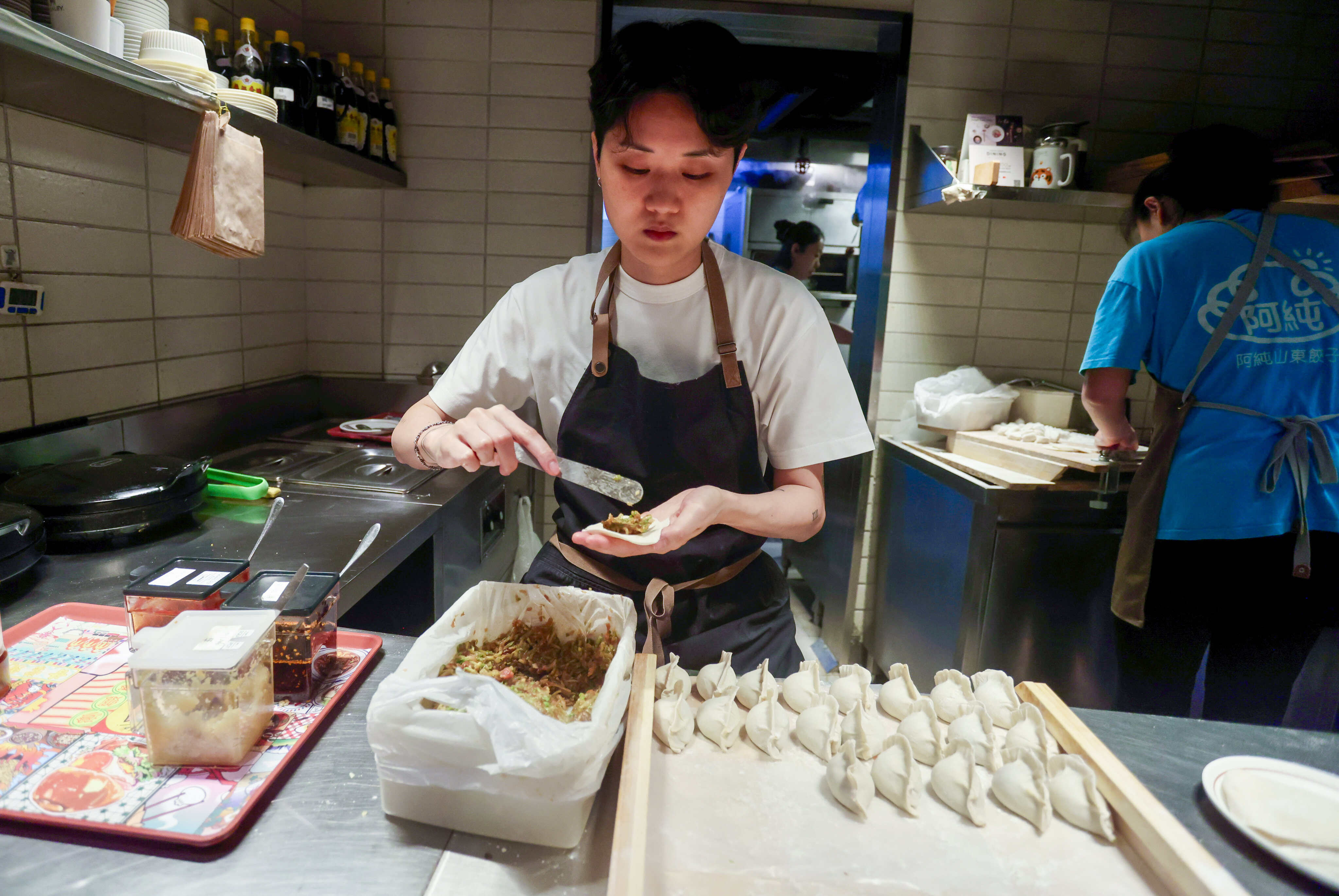
In the early hours of the morning, former chef Mel Ng was tasked with rolling out dumpling wrappers and mixing the next day’s fillings before surviving the chaotic lunch rush at Ah Chun Shandong Dumpling.
As she “staged” for the day at the restaurant – which has a three-decade legacy in Hong Kong – Ng tried to learn everything she could. The practice of “staging” in the culinary world is when a cook takes a temporary unpaid shift in a restaurant to learn its techniques.
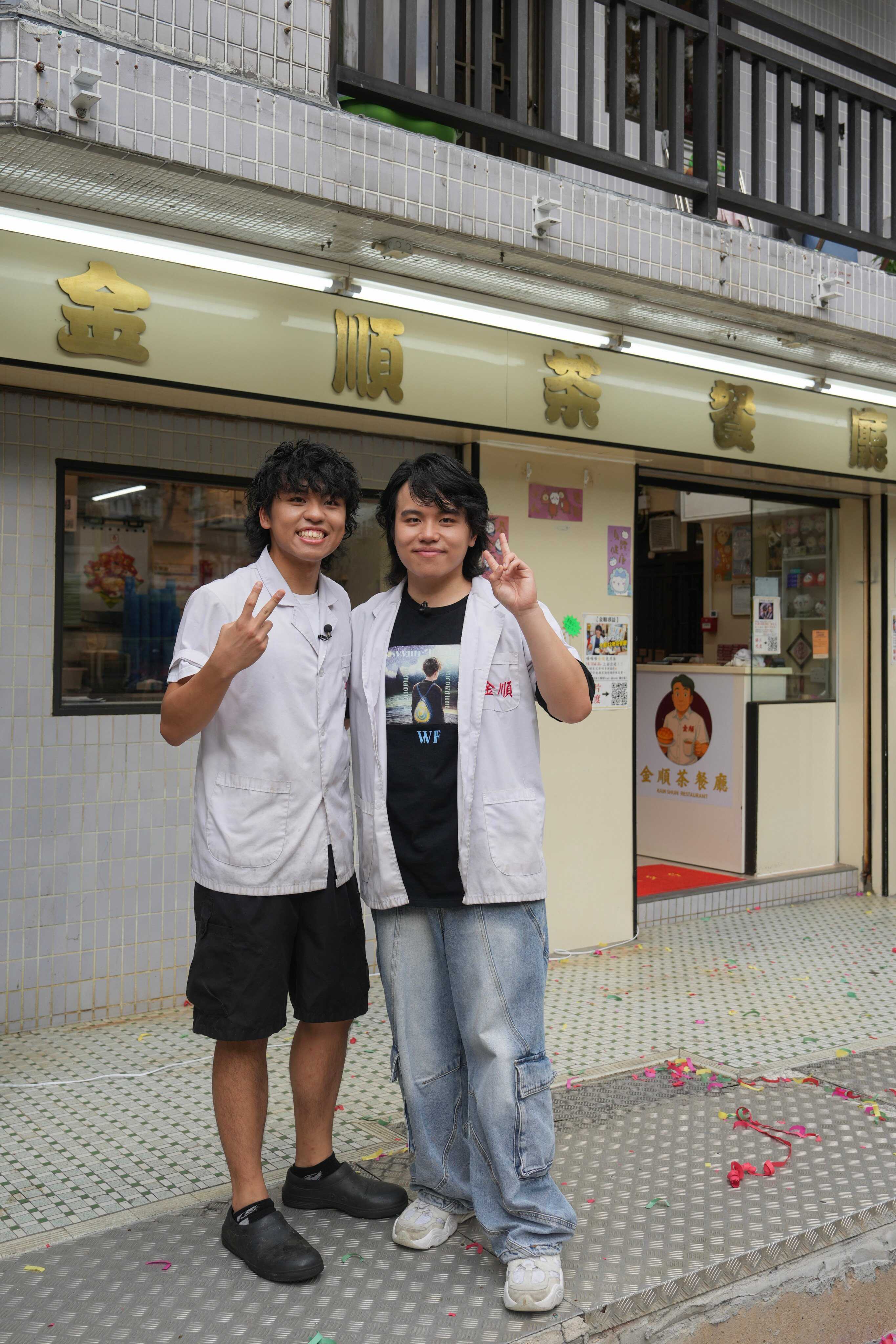
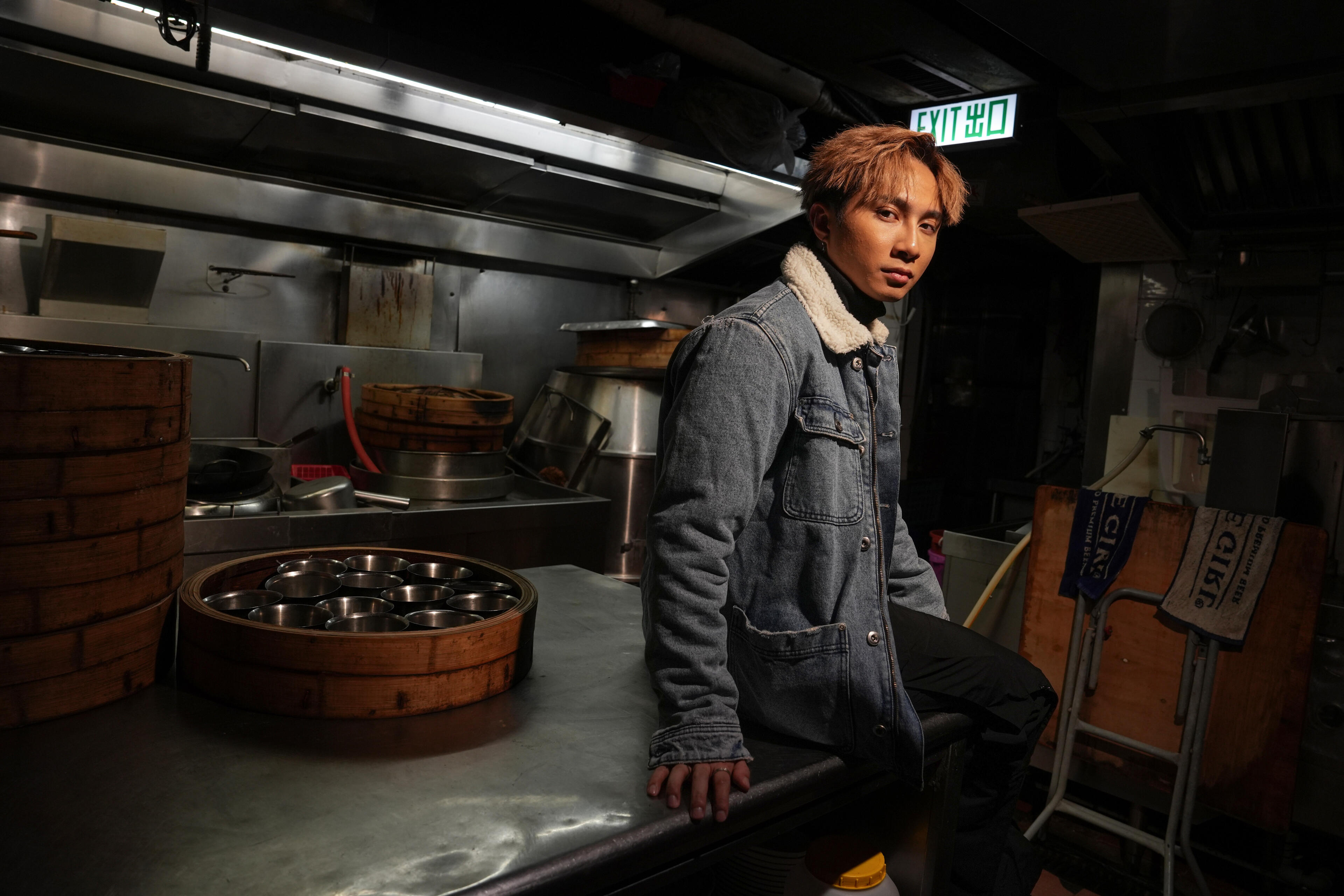
Coming from a background in French cuisine, Ng has staged at more than 20 restaurants since last year: from the beloved Kamcentre Roast Goose and viral Vietnamese eatery Banh Mi Nem to Indian restaurant Leela.
“They’ve all been very interesting to me because I’ve tried out many different kitchens, like Indian cuisine [and] Japanese ... things that I never would have tried before,” said the 36-year-old, who also works as a consultant in the food and beverage industry.
“The ones that I enjoy the most are the ones that are related more to Hong Kong local heritage, just because these are the things I grew up eating.”
In other countries, staging is a way for aspiring chefs to gain experience. The concept is not common in Hong Kong, but restaurants welcomed the extra help.
“In Western kitchens, you can just knock on the door and ask to stage for a week to see if it’s a good fit,” Ng said. “It’s the best way to learn. But traditional Chinese kitchens have never heard of it.”
Ng calls herself a “culinary wanderer”. Having staged in restaurants across Asia, she considers traditional Chinese cuisine her toughest challenge yet, largely because these kitchens rely on intuition rather than written recipes.
“A lot of the techniques were ... new to me. Working in a Cantonese kitchen meant using a wok, which I’d never done before,” she said.
“It was a steep learning curve, but I always step into the kitchen with an open mind.”
Why is it important to “wander” as a cook?
“Experience is the best teacher. And chefs will respect your work ethic more than whatever diploma you hold,” Ng explained.
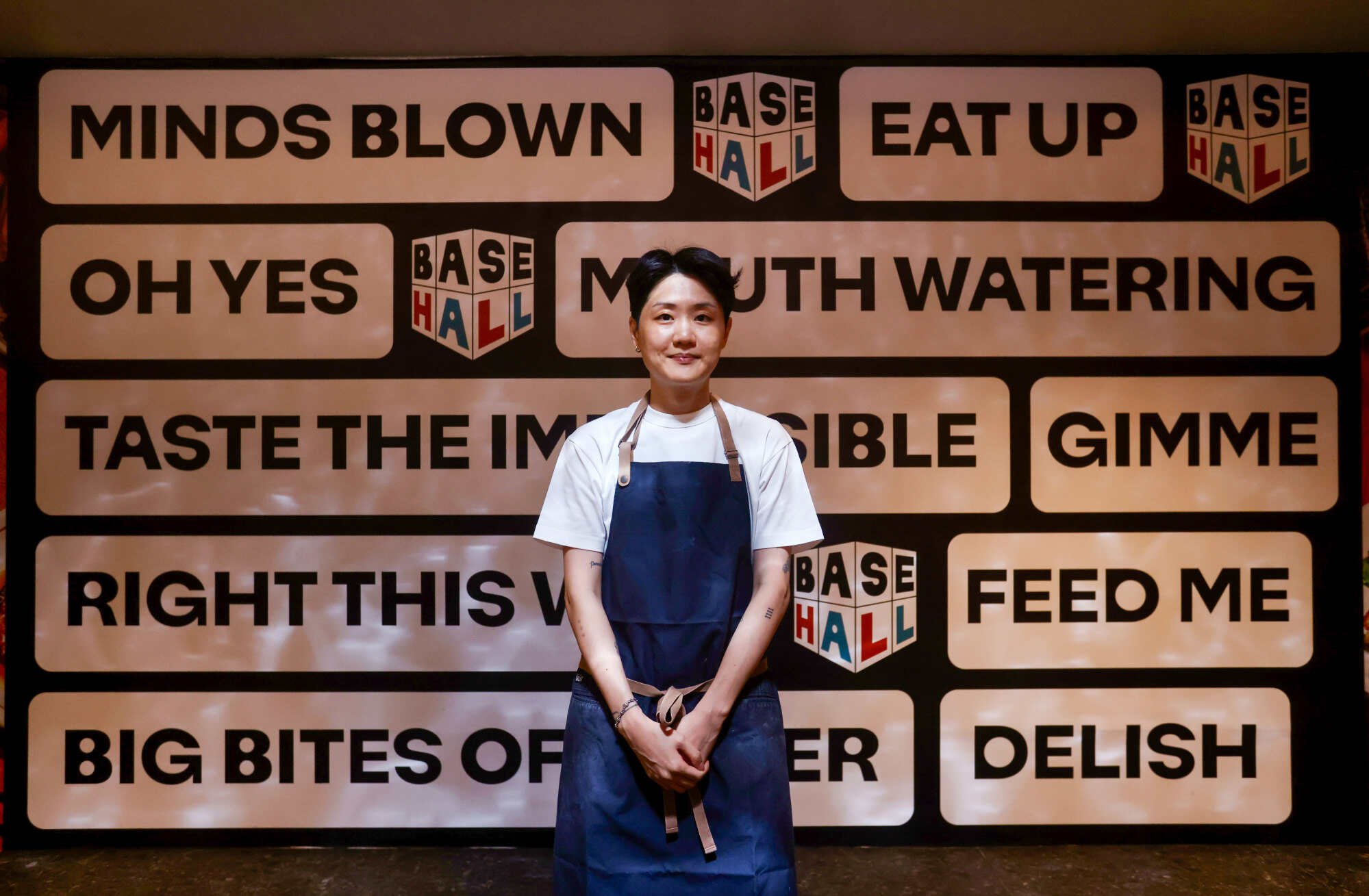
Her journey to culinary school
After growing up in Hong Kong, Ng studied business at Northeastern University in the US city of Boston before attending the International Culinary Centre (ICC) in New York to learn to cook.
During her undergraduate years, Ng joined a programme that allowed students to study while working full-time. By the time she finished her business degree, she had a year and a half of work experience.
“I spent a lot of my internships mostly at office jobs [and] desk jobs – finance-related or insurance-related or marketing-related. And I realised I wasn’t very excited about the normal office path. So I wanted to try and find something that excited me,” she shared.
“I started cooking a lot for my roommate [and] for my friends. That’s when I started learning how to cook on my own.”
These casual meals eventually transformed into a dream to become a chef.
Culinary school was challenging, Ng shared. But she loved how it brought together people from all walks of life: from college dropouts to tai tai, a Cantonese term for wealthy married women.
The programme was structured into six levels, beginning with basic culinary fundamentals like knife cuts, bases and sauces. By level three, students began to experience the repetition of a kitchen – continuously cooking the same foods.
“I was working in teams to cook those dishes. So that’s when things started getting a bit more tough physically,” she said, adding that she had to pass rigorous written and practical exams before she could move to the next level.
“By level three, you kind of know which people are in it for the long run and which people are ... there just to have fun.”
While Ng took the traditional route of culinary school, she also encouraged aspiring chefs to learn on the ground.
“Going to culinary school, yes, you get the foundations and fundamentals of the industry, but a lot of those things are very old school,” she said. “There are a lot of new techniques that you can learn from actual kitchen experience instead of through school.”
Helping struggling businesses
For many older Hong Kong eateries, Ng noticed that staffing was a recurring obstacle, and it was even harder to find young people who want to learn the craft.
“Since Covid, we’ve seen a lot of restaurant closures. Even heritage brands that have been around for 20 [or] 30 years closed down,” she said.
Her mission to stage in different restaurants isn’t just about honing her culinary craft, but also about using her business acumen to help struggling eateries survive.
“A chef might have a great recipe, but if the concept isn’t spot on, doesn’t fit the neighbourhood or ignores current trends, the business will struggle,” Ng said.
“But because I’ve been on both sides, I can kind of speak both languages. Nailing a concept means looking at everything from the price point for the location [to considering], is the brand story clear? Is the menu designed for kitchen efficiency?”
Ng also posts videos of her staging experiences on Instagram in hopes of showcasing the rich culinary tradition of Hong Kong’s restaurants to a wider audience.
For those looking to break into the culinary world, Ng’s advice is to get hands-on experience by staging.
“It’s not just about which restaurant – it’s also about whether you can survive in the industry because every kitchen is very demanding. Working long hours, you don’t get a social life. So, not everybody enjoys that,” she said.
“If you can find a restaurant to stage for like a month, I think that would give you a good taste of whether you like being in the industry or not.”
Ng’s daily mantra is “mise en place”, a French term meaning “everything in its place”.
“In the kitchen, it means having all your ingredients and tools ready before you start,” she said.
“Whether I’m doing consulting work for a client or working a shift in the kitchen, I always have a plan in my head, thinking about the end goal and mapping out every step to get there.”