Our next question: What is your funniest memory from the summer holiday? To take part, drop us a line via this form by 12pm on Tuesday, September 8.
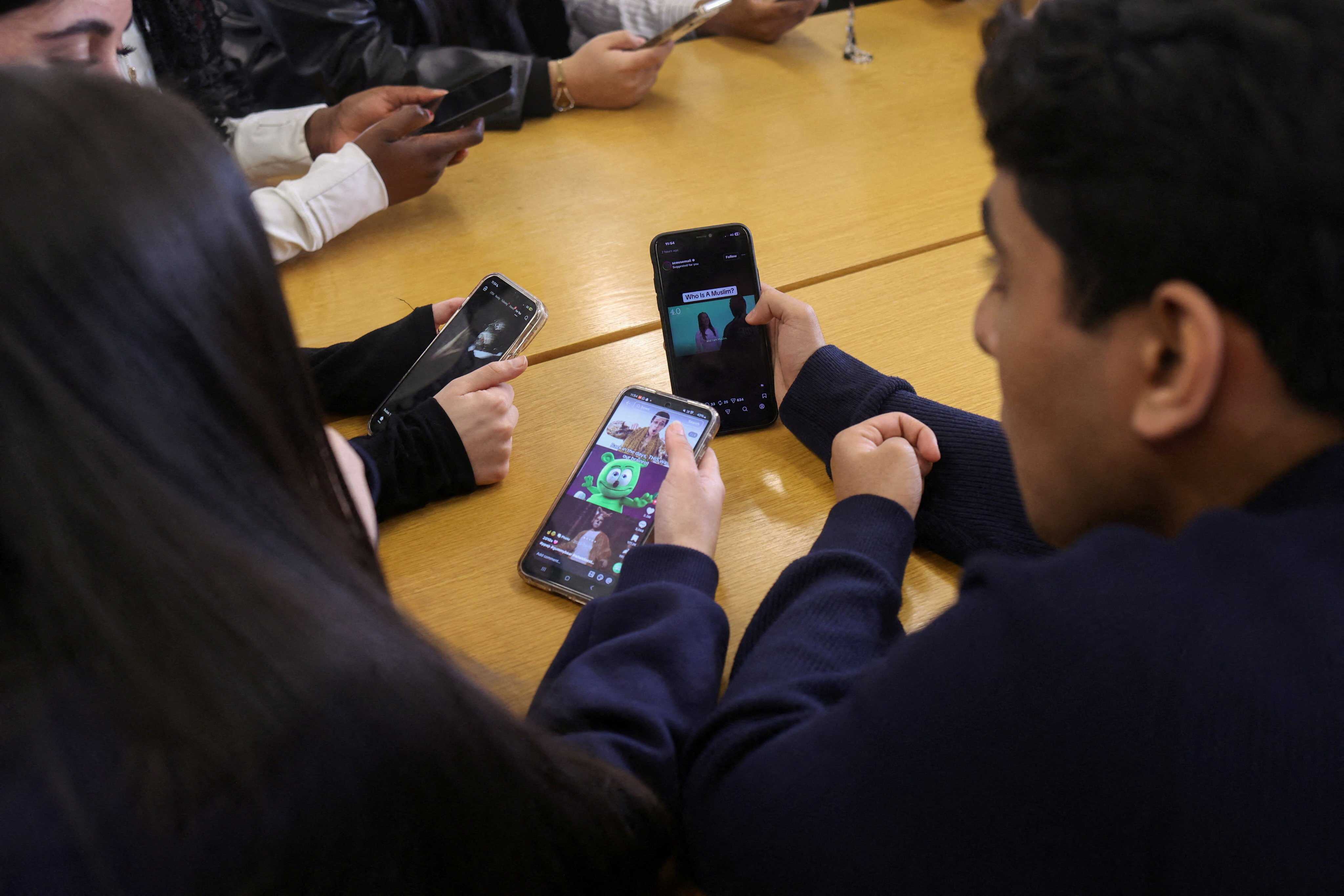
Aahana Mukhi, 16, Island School: Scrolling on social media while eating breakfast. At 6.30am, my algorithm is my companion. This is the ideal environment to get sucked into an endless waterfall of memes and mini-vlogs. Not only does this habit increase my screen time while shortening my attention span, but it also leaves me feeling sluggish. This term, I want to replace my screen with a physical book. With a packed school calendar, time to read books is scarce. Dedicating these 30 minutes to fuelling my imagination will wake my brain up instead of draining it.
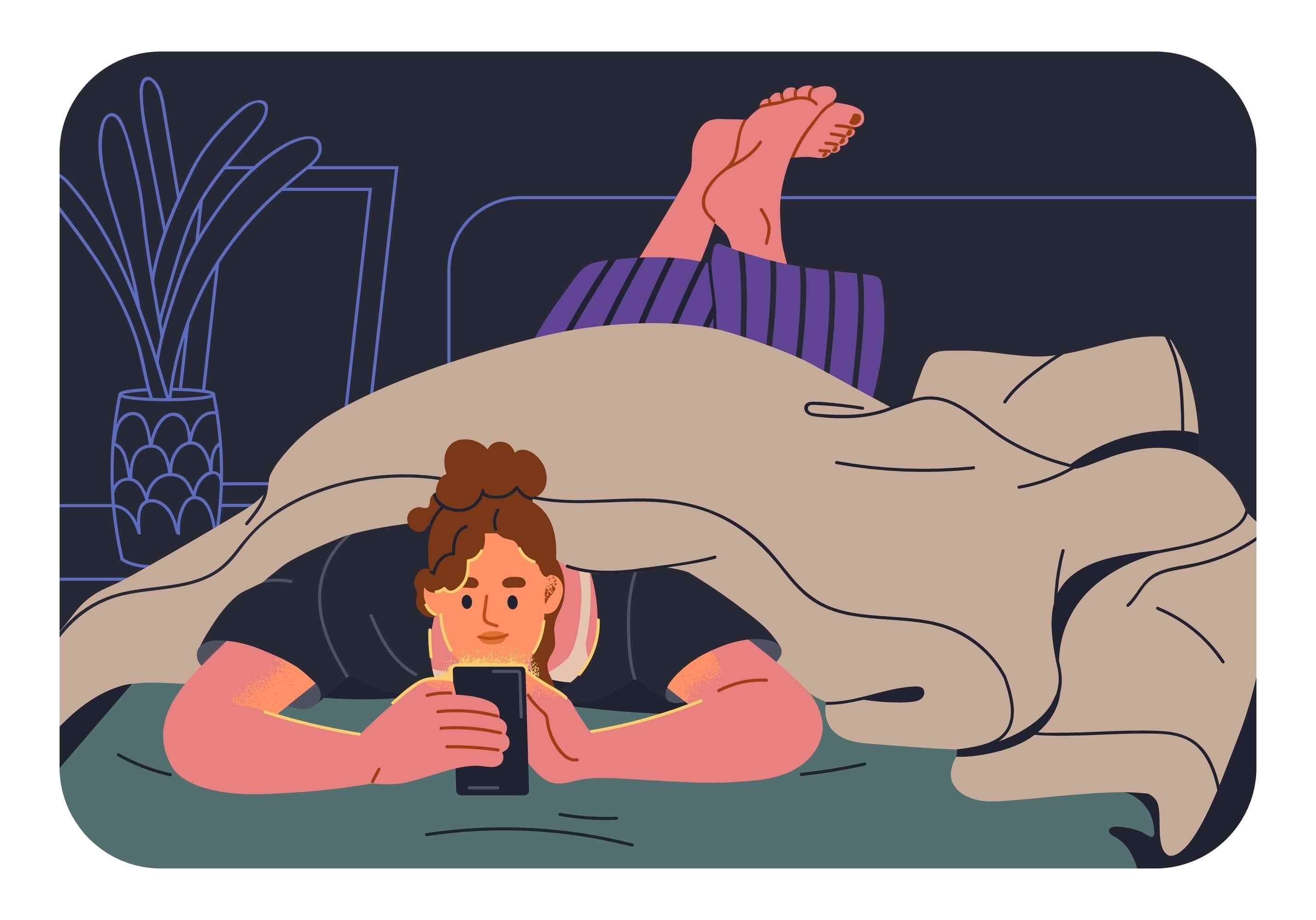
Bobo Lau, 16, HKFYG Lee Shau Kee College: It’s 2am – you’re scrolling on your phone after a hectic day at school. This is a phenomenon known as “revenge bedtime procrastination”, and it is a habit I want to break. Day after day, I have gone to school exhausted, repeatedly promising myself to go to bed earlier that night. But it is so tempting to reclaim the time you lost to studying. However, staying up late for “me-time” not only leads to higher risks of hypertension, stroke and coronary heart disease, but it also affects your mental health, making you more susceptible to stress and depression. It is time I break this loop.
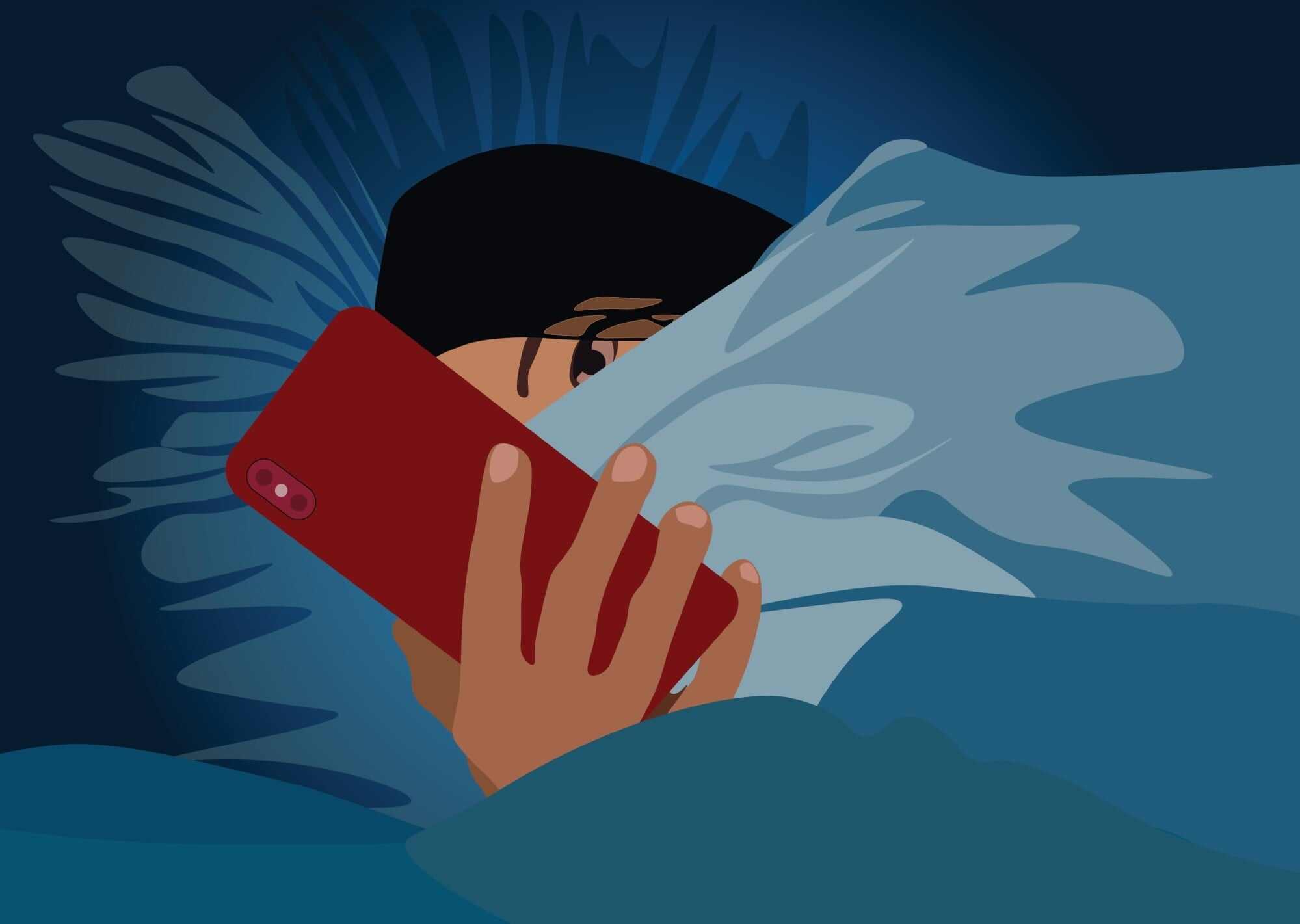
Valerie Chiu, 16, St Mary’s Canossian College: Staying up late. Oftentimes, I start working too late in the evening while scrolling through social media. This has led to having to rush to finish tasks even later into the night. I recognise that this creates a vicious cycle of daytime exhaustion that has detrimental effects on both my health and work efficiency. Overcoming this habit is not merely a matter of better scheduling. I believe it requires a shift in mindset to truly respect how precious time is.
Alden Hou, 15, South Island School: You’re at home, doomscrolling on your social media of choice or on a game with your friends, when you realise you have an assignment or a test to study for. I relate. At its core, procrastination is not about being lazy or disorganised; it’s often used to cope with stress, the fear of failure or feeling overwhelmed. Instead of tackling homework or revising for the test, we seek short-term relief by doing something we find enjoyable or less demanding (such as writing this article). But the relief is temporary, and the task doesn’t disappear. Instead, it looms larger, with the pressure building as the deadline nears.
Valerie Shek, 16, The Independent Schools Foundation Academy: Procrastinating. Way too often I find myself putting off assignments until the very, very last possible moment, leaving me stressed, overwhelmed and rushing to finish work. This term, I want to break the toxic cycle and start working on tasks as soon as they are assigned, breaking them down into small and manageable steps. I also plan on setting personal deadlines that are earlier than actual due dates, so I can thoroughly check my work before submitting.
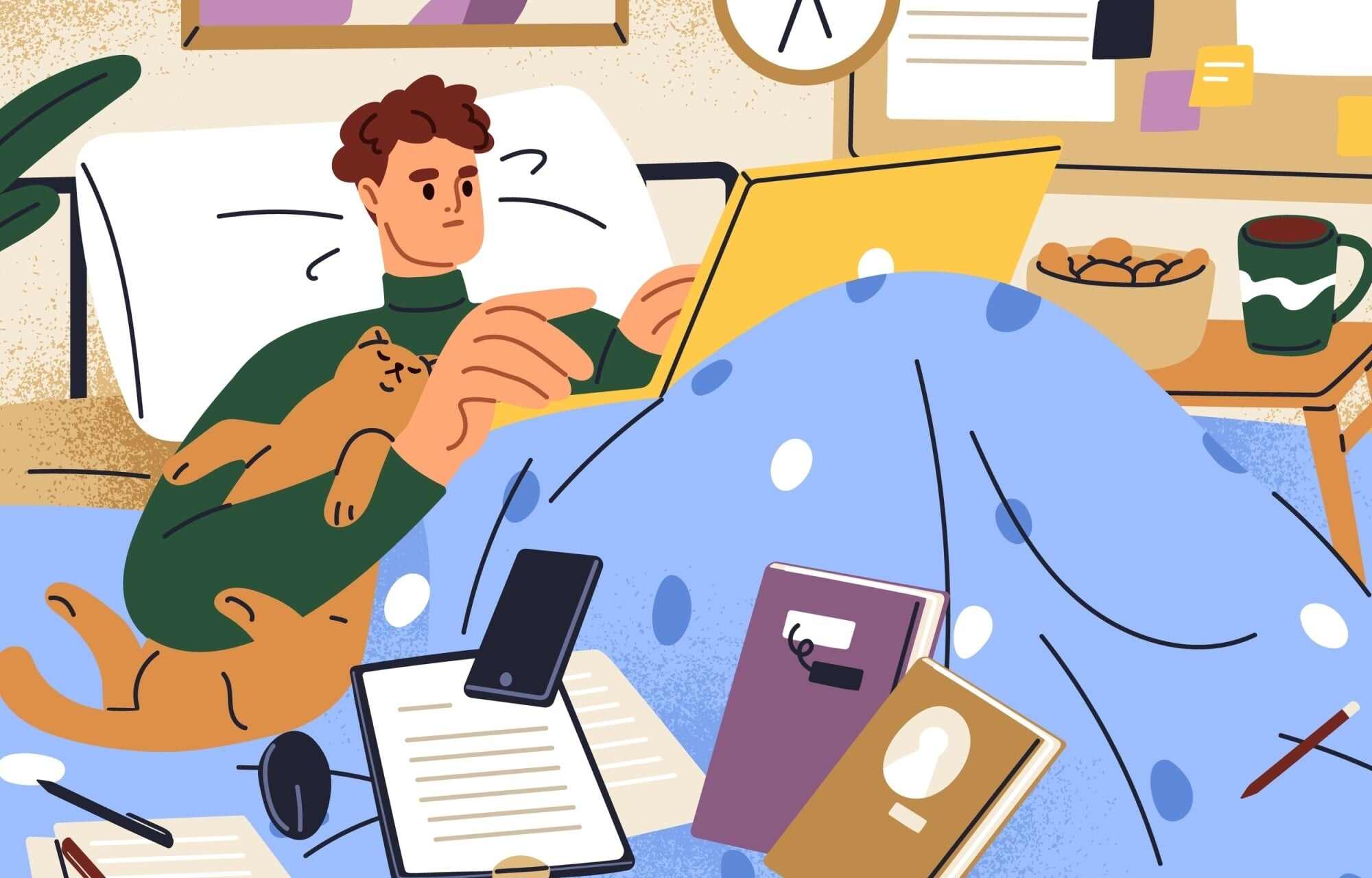
Huang Ziyan, 17, Harrow International School Hong Kong: Saying “I have to study” to turn down school events, concerts or spontaneous activities with friends. While this year is set to be the most academically intense yet, stepping into my senior year has made me realise the true value of the small moments that have shaped my experience and who I am at school. In the new term, I promise to say yes to all the last-minute dinners, formals and play openings – to live, to laugh and enjoy every minute in this final chapter of my secondary school life!
Connie Liu, 15, St Rose of Lima’s College: Last year, I constantly doom‑scrolled on Instagram, sent reels and memes to my friends, or simply lay in bed doing nothing. After every bout of procrastination, I would tell myself the same thing: this behaviour was understandable, since my heavy school workload exerted tremendous pressure on me. As a result, I got trapped in a vicious cycle of putting off schoolwork and making excuses. Deep down, I was aware of how it harmed my academic performance as I pulled all‑nighters to meet deadlines. I was also left worn‑out and had far less time to pursue my interests.
Allegra Khomara, 17, King George V School: In my last year of secondary school, I promise to stop telling myself “just one more episode” or “just one more chapter”. When I get caught up in a great show or a new book, I use that phrase to delay studying or sleep. But one episode turns into five, and 10 minutes turns into two hours. That temporary contentment turns into dread the moment I look over at the unfinished homework on my desk. This year, my goal is to balance relaxation and studies.
Janice Adele Cheung, 12, Yew Chung International School of Hong Kong: My summer often has late nights filled with endless scrolling, gaming or hanging out with friends. Being carefree in the moment but carrying a bad sleep routine into the school year can be damaging. Sleep is the foundation of focus, memory and emotional balance. Academic success depends on a clear and rested mind. The consequences also extend to social life. Friendships and teamwork thrive on energy and positivity, but exhaustion drains both. Students who are tired may find themselves disconnected from peers or unable to contribute fully in group activities. Breaking this habit requires discipline.
Cherish Chiu Cheuk-wing, 16, Leung Shek Chee College: There is a Chinese phrase: “A day’s plan starts with the morning.” The new school year is a great time for me to change and wipe away all my bad habits. In junior forms, I never revised after class since I believed having fun was essential. However, the countdown to university entrance exams has begun. Regularly revising every day is key to retaining knowledge, and I won’t have to cram for exams at the last second. Starting each day with focused study will build steady progress and reduce anxiety.