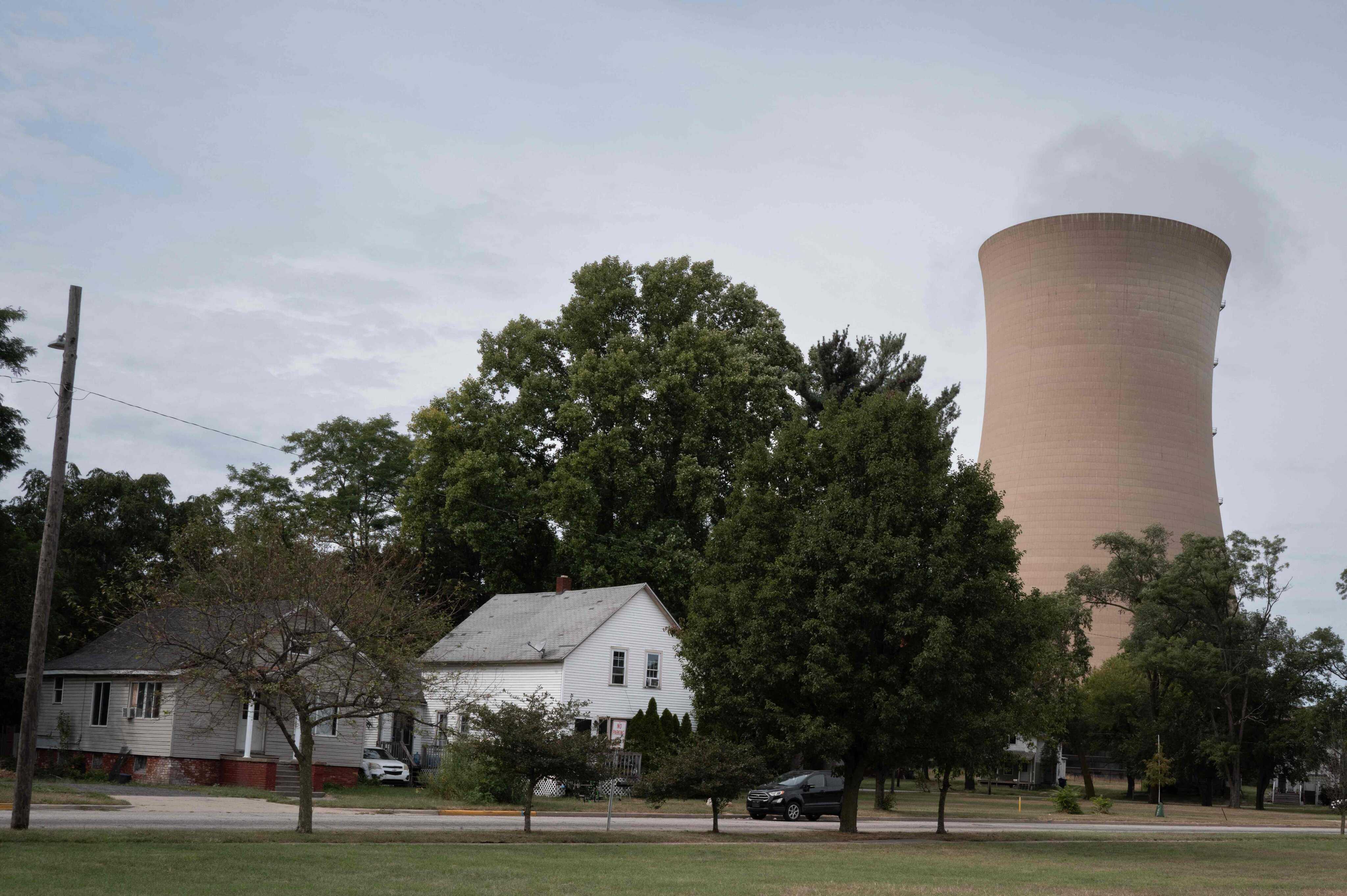
United States President Donald Trump’s administration has tossed out the limits on carbon emissions from coal and gas-fired power plants, the latest in a wave of dismantling regulations aimed at curbing climate change.
The changes were announced during a meeting of Group of 20 (G20) energy ministers in Houston, Texas. They roll back measures introduced under former US president Joe Biden – and go further, proposing to stop future regulations over the power sector, which accounts for roughly a quarter of the US’ greenhouse gas emissions.
“For over 15 years, the Obama and Biden administrations implemented a war on coal to destroy reliable and affordable energy,” US Environmental Protection Agency (EPA) Administrator Lee Zeldin said in a statement.
“The Trump Administration has come in to protect American energy and to make sure you can afford to keep the lights on,” he added.
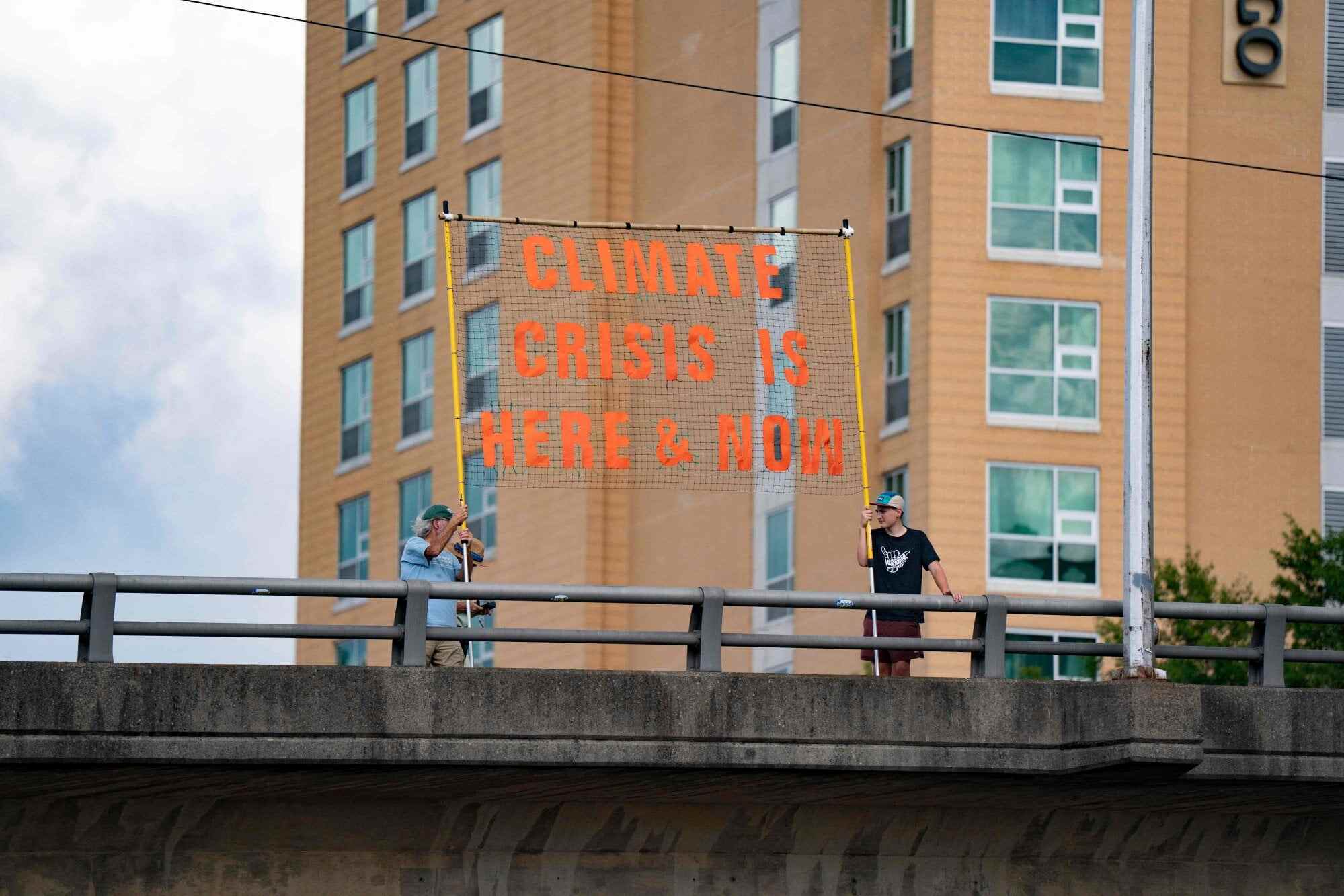
Environmental groups have vowed to sue, describing it as a dark day for policies that protect people from the ravages of climate change and a gift to the fossil fuel industry.
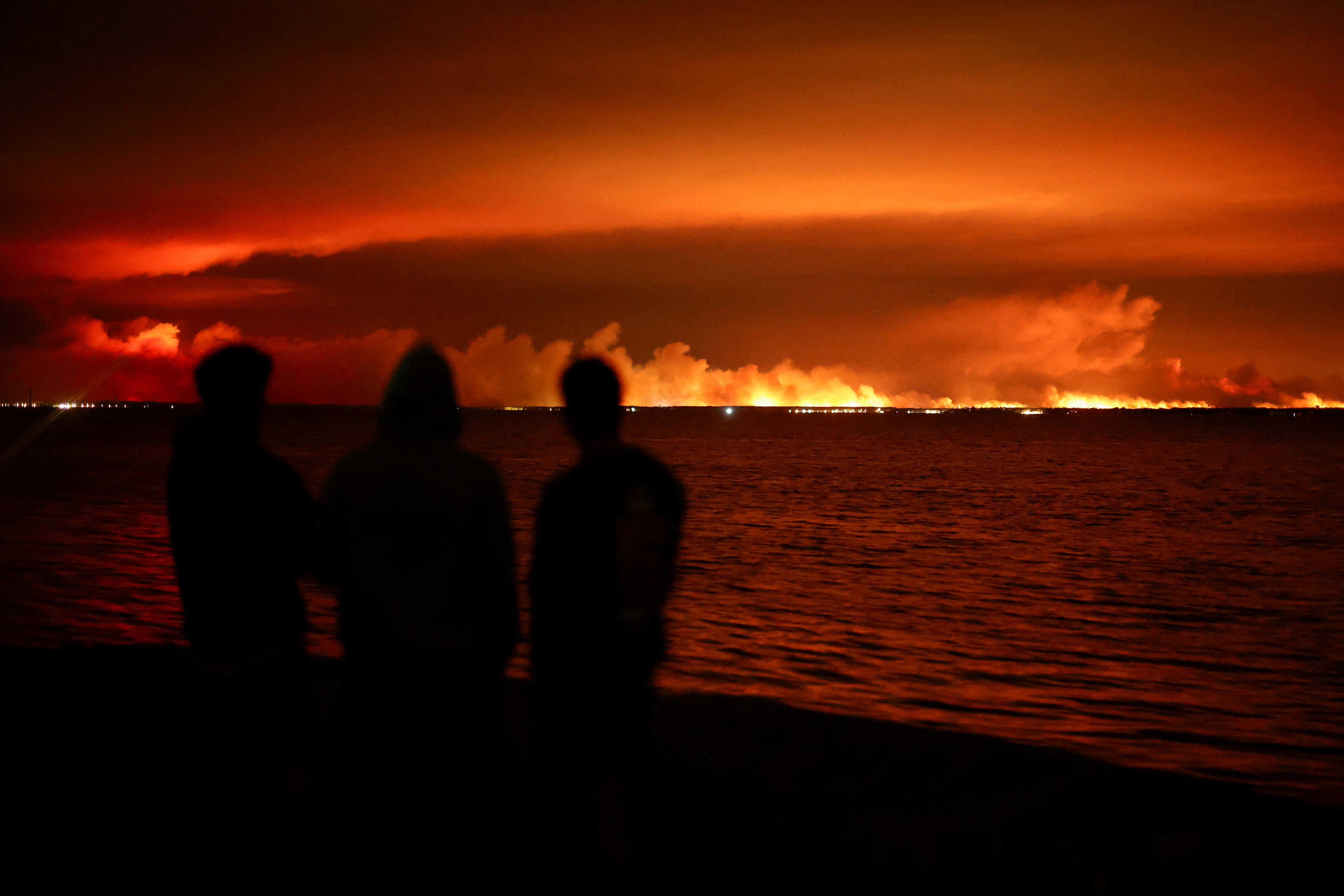
The news comes amid growing signs of Earth’s climate system destabilising, setting the planet up for more frequent and destructive extreme weather events.
August was the hottest month ever recorded around the world, and the United States just experienced its hottest recorded summer. The main driver of global heating is the burning of fossil fuels, and this year human-caused warming is stacking on top of a historically intense El Nino weather pattern.
“They’re propping up fossil fuel industry profits and completely sidelining people’s health and well-being,” Rachel Cleetus from the Union of Concerned Scientists, a non-profit science advocacy organisation based in the United States, told reporters.
“The EPA has deserted its mission entirely, and they’re doing it in a way that’s cruel. They’re gleefully taking credit for it.”

The administration has repealed the 2024 Biden-era standards set under the Clean Air Act, the United States’ primary federal air quality law, intended to control greenhouse gas emissions from existing coal plants and new gas plants.
The rules required a reduction of up to 90 per cent in carbon dioxide pollution over time and would have required chimney carbon capture technology to achieve that goal. But in its now-finalised rule, the EPA has asserted that these standards were impossible to meet and the deadlines were too tight.
The second part of the package is a proposed rule making a broader statutory argument – that the EPA does not have the authority to regulate greenhouse gas emissions from the power sector at all, and that even if it did have the authority, doing so would be futile because it would not meaningfully address global climate change.
It builds on the US government’s February decision to overturn the 2009 Endangerment Finding, the scientific determination that greenhouse gases threaten public health and welfare.
The agency said that the latest repeal would save US$310 billion (HK$2.4 trillion) while the proposed rule would save a further US$370 million (HK$2.9 billion) – figures that critics have voiced scepticism towards and vowed to examine.
Meredith Hankins, a legal expert at the US-based international environmental advocacy group Natural Resources Defence Council, told Agence France-Presse that the actions had contradictory legal justifications.
They noted that the technical repeal, at least in the draft phase, stated that the EPA had the authority to regulate greenhouse emissions but found the Biden administration had gone about it the wrong way.
“We’ll have to look at the final text of the rule,” Hankins said. “But I think on its face you can see the contradictions. So I’m certainly looking forward to seeing them in court.”
Trump often calls the concept of human-induced climate change “a hoax” and his policy rollbacks have included withdrawing the United States once more from the Paris climate accord and eliminating greenhouse gas standards for vehicle tailpipe emissions.
“Our government is ignoring the reality all around us that people are feeling every day of the impacts of climate change, and just putting their heads in the sand and saying, ‘We don’t care, it’s not our problem, next generation, figure it out yourselves,’” said Hankins.