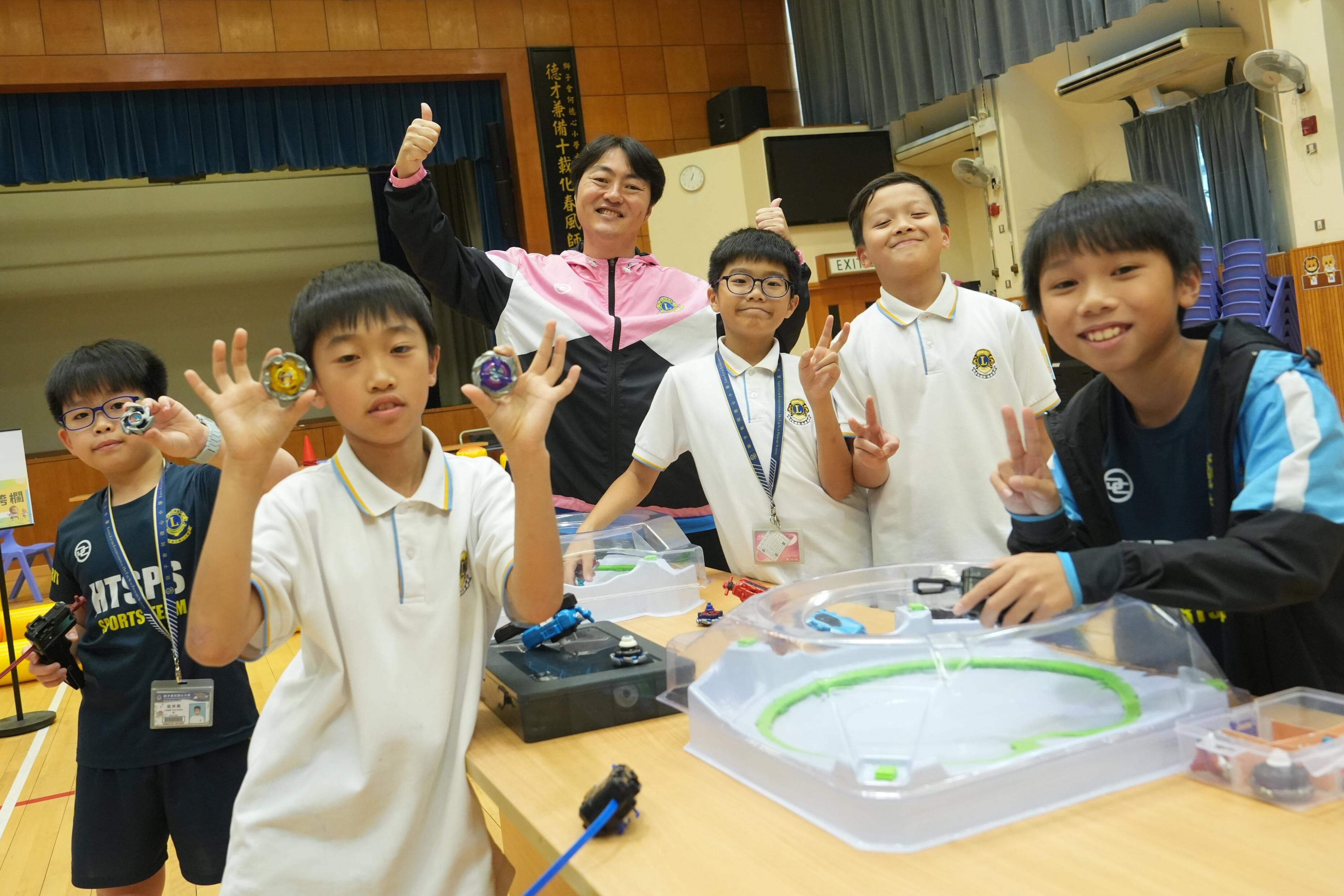
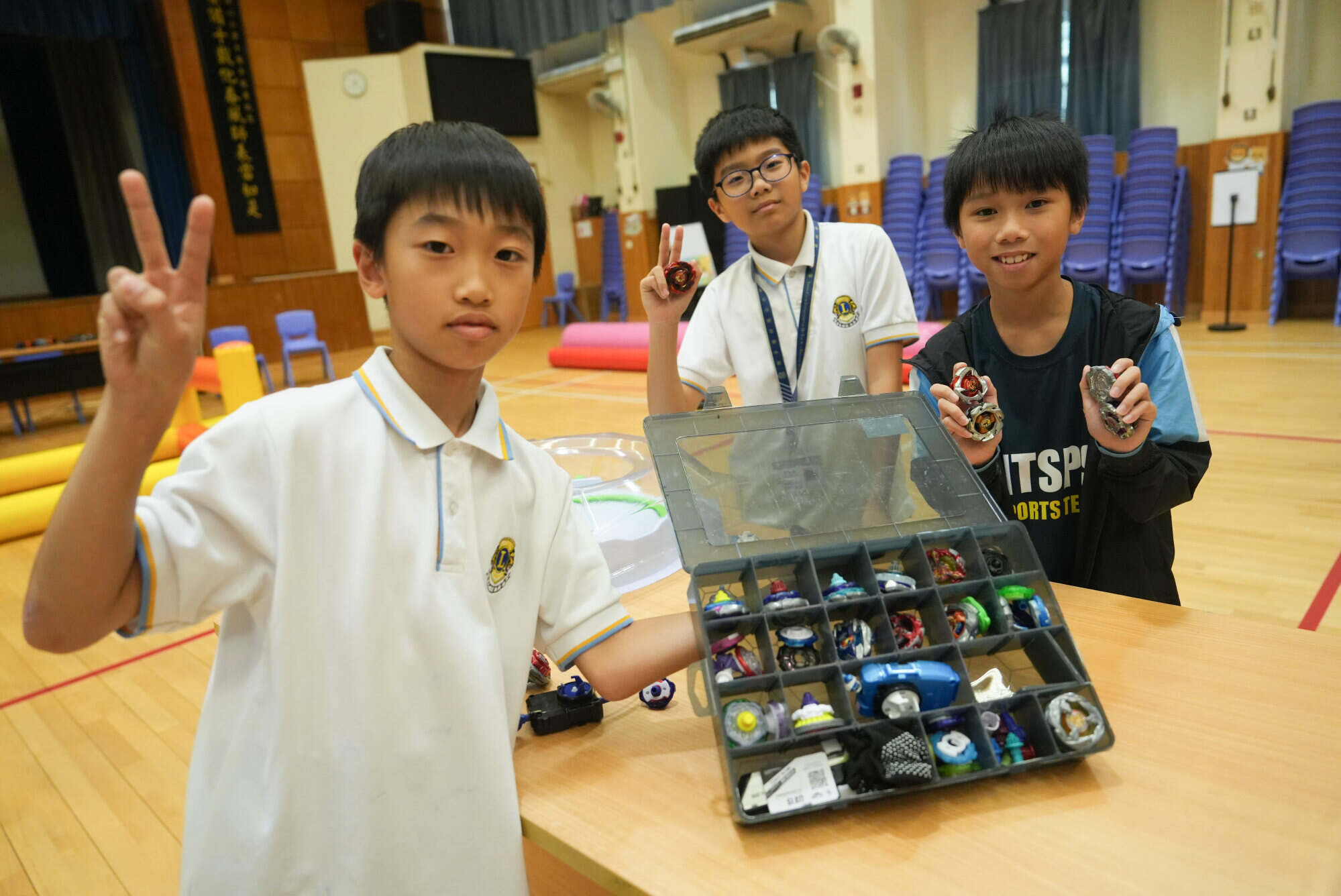
On a Friday afternoon inside a school hall, 10-year-old Daniel Keung Tsz-chung proudly opened his toy box to reveal a prized collection of more than a dozen Beyblades.
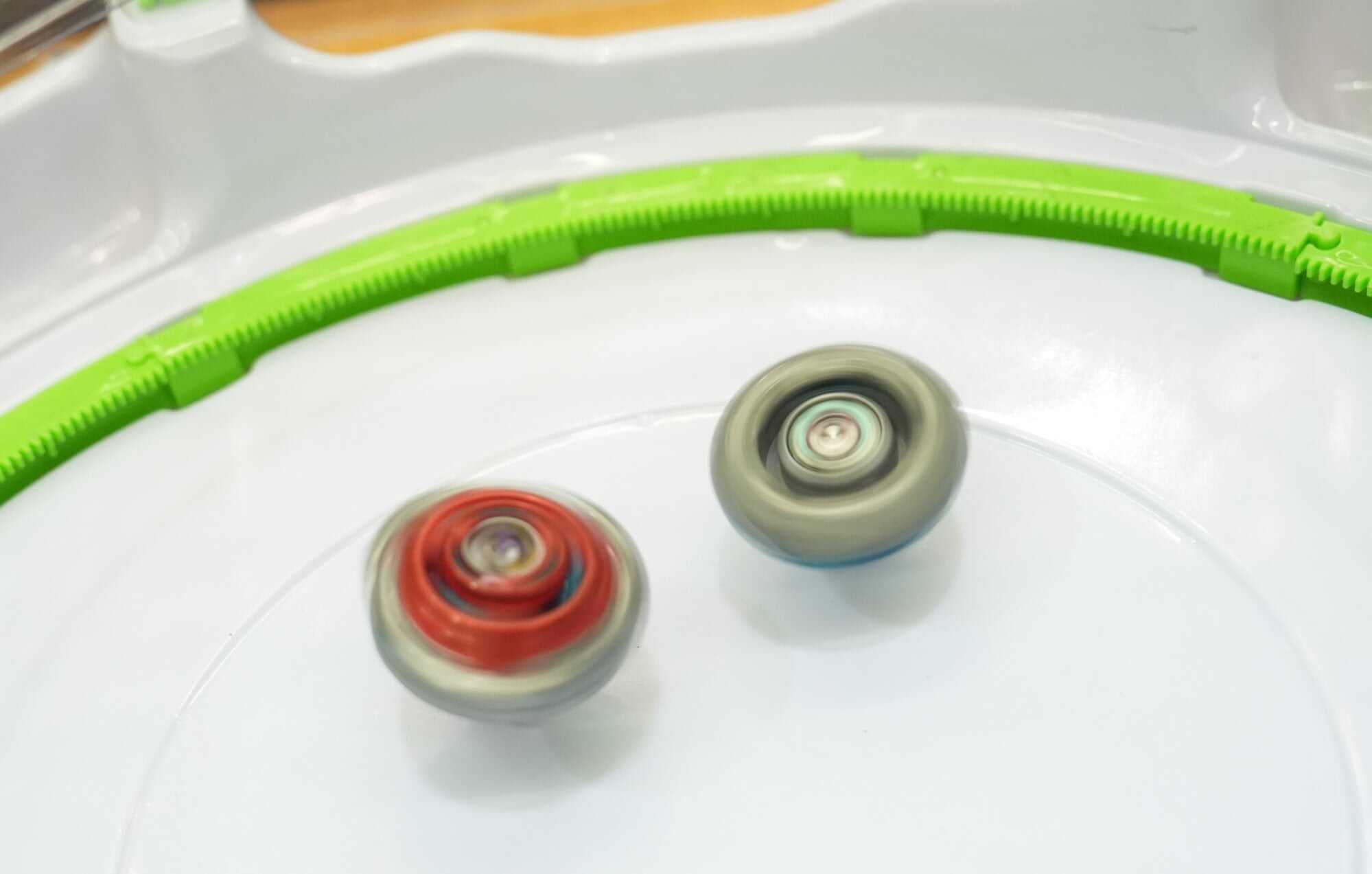
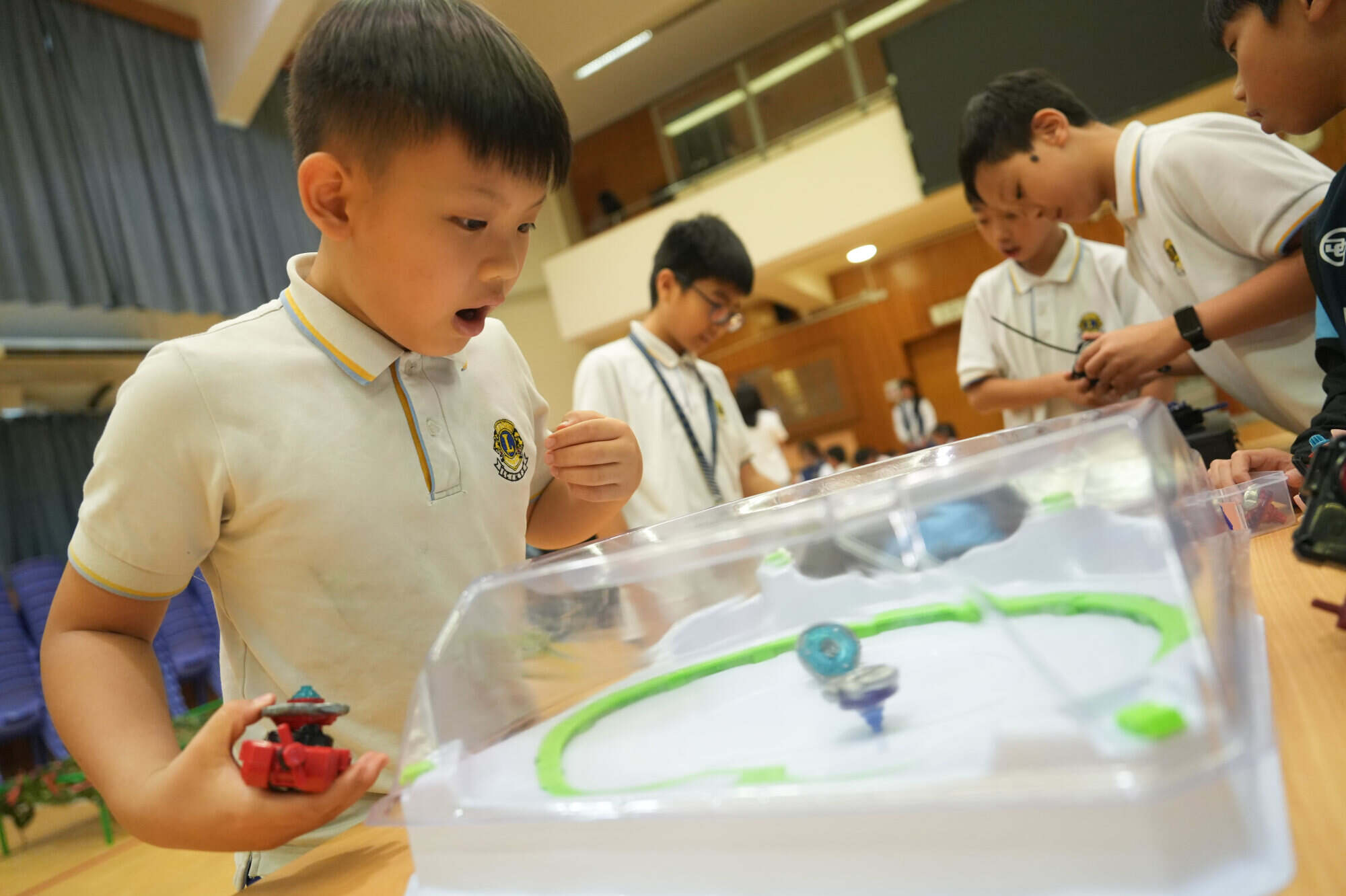
Then, with a sharp tug of his launch cord, the Primary Four student sent his custom spinning top ripping into the plastic arena, locking into a fierce battle with two of his classmates.
In recent months, the battles have become a regular breaktime occurrence. At Daniel’s school, Lions Clubs International Ho Tak Sum Primary School in Tin Shui Wai, one high-octane Beyblade tournament drew more than 300 students.
First released in 1999 alongside a manga series, Beyblade is a nostalgic childhood toy for many older Hongkongers. The spinning top was developed by Japanese toy company Takara, and quickly spread across East Asia and globally.
Today, the old-school craze is getting another spin.
The massive resurgence in Hong Kong has mainly been led by a new generation, but arenas have popped up across the city and attracted players ranging from primary schoolers to full-grown adults.
Daniel, an avid fan for at least three years, has invested heavily in his passion. His crown-jewel Beyblade costs around HK$700, while his entire collection is worth nearly HK$4,000. But for him, the real value of the game lies in the human connection.
“Spinning tops can keep people from getting addicted to their phones, and help build really great friendships,” said Daniel, who also attends official regional-level Grade 3 (G3) tournaments. These monthly tournaments are held at Beyblade Battle Base (B4) sponsored stores.
Another pupil, nine-year-old Cheung Chun-nok, also shared that since he started playing Beyblade a few weeks ago, he has seldom used his phone.
Education should be engaging
The school uses a Finnish-style education model that focuses on activity-based learning.
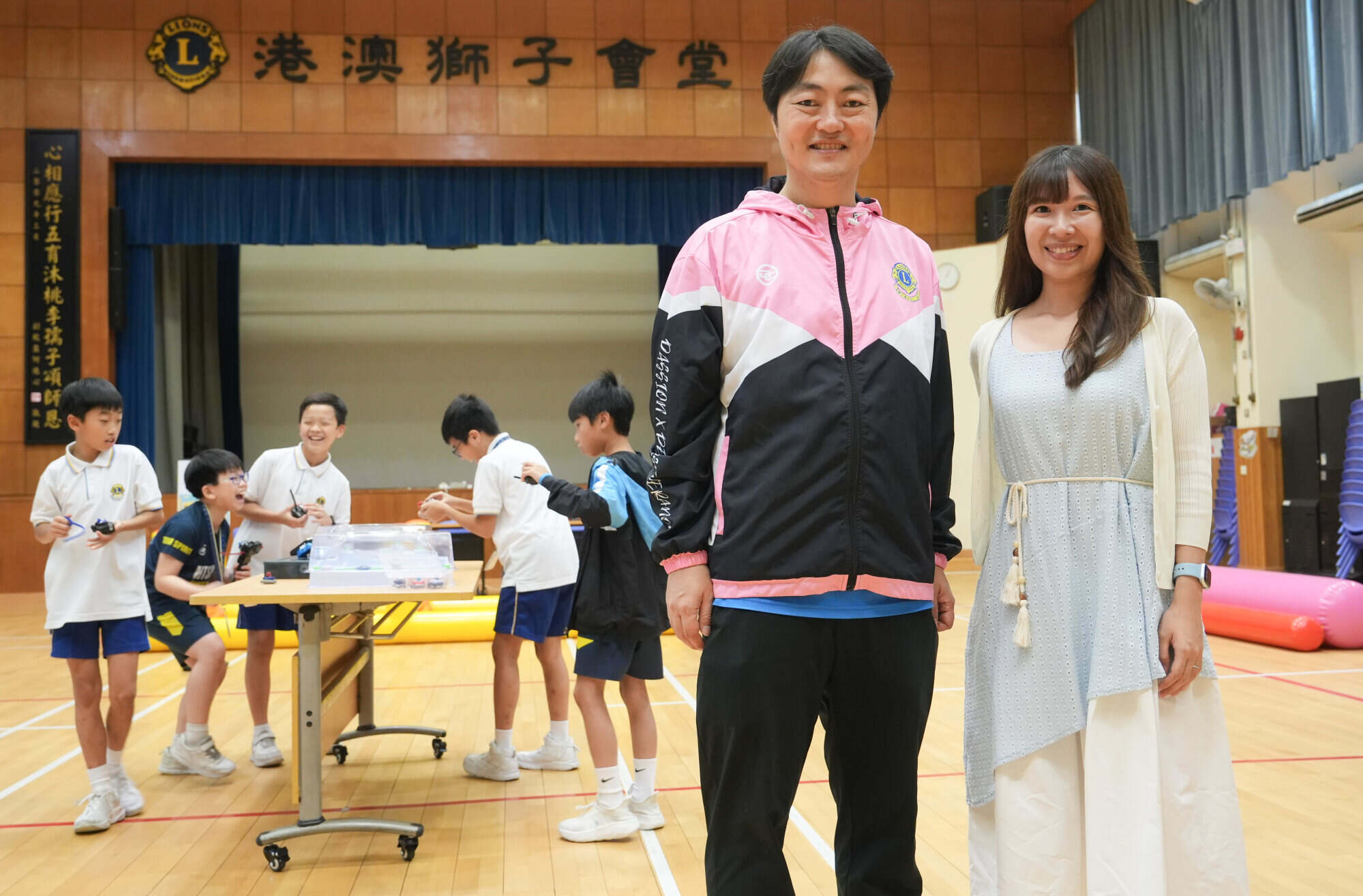
“Being able to play outside and connect through a shared interest – something everyone plays together – naturally sparks communication,” the school’s Principal Wong Wai-la said.
He offered a timely reminder that education for young children should be engaging, not agonising.
“We need to remember these are primary school students,” he urged. “We’ve recently heard some heartbreaking news concerning local families. Do we really need to impose such immense pressure on them starting right in primary school? Should we still stick to rigid teaching methods where students just sit and listen?”
Wong emphasised a shift away from traditional metrics of success. He advocates for the recognition of multiple intelligences, where each person has their own expertise.
“Everyone has their own strengths. When it comes to grades, maybe my rote memorisation isn’t as strong as yours, but I might beat you in creativity,” he said. “When children are engaged in things they love or excel at, you can truly see their inner drive.”
Learning with Beyblades
Wong said Beyblades are excellent vehicles for teaching science. While they may seem like mere toys, the game can act as a mobile laboratory that allows students to grasp abstract physics concepts.
To capitalise on this, the school has integrated Beyblades into its new Primary One and Primary Four science curricula, transforming the playground craze into a practical academic tool.
For Primary Four students, the curriculum focuses on two core topics: fair testing and friction. So Wing-sum, the school’s science panel head, said that spinning tops align perfectly with these scientific principles.
“For instance, if we can only test one variable at a time, and that independent variable is the weight of the spinning top, what are the controlled variables? What is the dependent variable?” So explained.
The hands-on approach helps bridge the gap between primary school introduction and advanced secondary school experimentation.
It also makes invisible forces tangible: “We talk about friction with the students and ask, ‘If the spinning top eventually stops, why does it stop?’” So said.
“There is contact friction between the top and the arena, which is why it ultimately comes to a halt. During class, using spinning tops as real-world examples is much more effective than relying solely on textbooks, which can often make these concepts harder to understand.”
Resilience through play
In Hong Kong’s intense academic environment, the educators believe the toy can actually cultivate emotional resilience and the ability to handle failure.
“You see yourself lose instantly,” So said. “Some children do cry, but I believe this is a valuable experience for them to have at a young age, learning that even if they lose and cry, they can pick themselves up and try again.”
“Losing a match doesn’t mean permanent failure. In fact, it offers countless opportunities to keep practising, improve, and make immediate adjustments.”
Principal Wong noted that this resilience is especially critical for a generation heavily shaped by technology and isolation: “Many of them are ‘only children’ growing up in a digital era, so they tend to keep to themselves.”
“We’ve noticed that some students who are usually very quiet will talk endlessly when it comes to something they love,” Wong added.
“They proudly share how they won a competition, talk about a new spinning top their parents bought them or discuss the physics behind a faster launch. This represents a massive transformation for these children.”