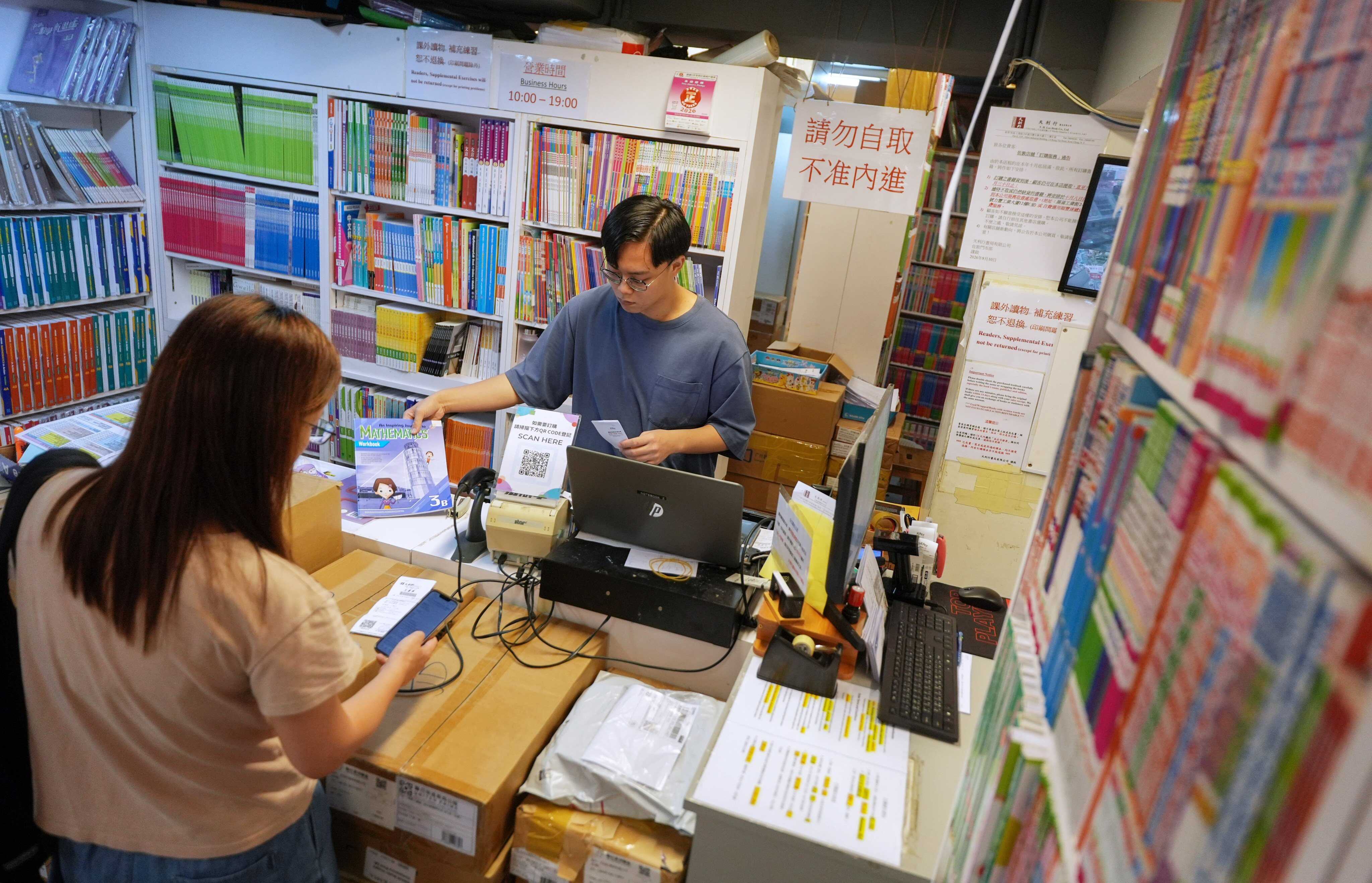
Wong* and his wife spent about HK$8,000 on new textbooks for their two daughters last month. That’s half of their household income: a permanent injury left the father unemployed, and they rely on his wife, who brings in about HK$16,000 a month.
“My children are a little sensitive about second-hand books,” the former construction worker said. “They feel using old books will make others look down on them.”
He added that second-hand books often contained notes and annotations, and could be unusable if curriculum updates left them outdated. Often, the single-use codes for accessing online learning resources and exercises had already been redeemed.
The couple’s children are entering Form Two and Primary Six at public schools in Kwai Tsing this month.
While the family receives help from a government textbook subsidy scheme for low-income families, they still struggle with other education expenses, such as tutoring that costs about HK$4,000 monthly.
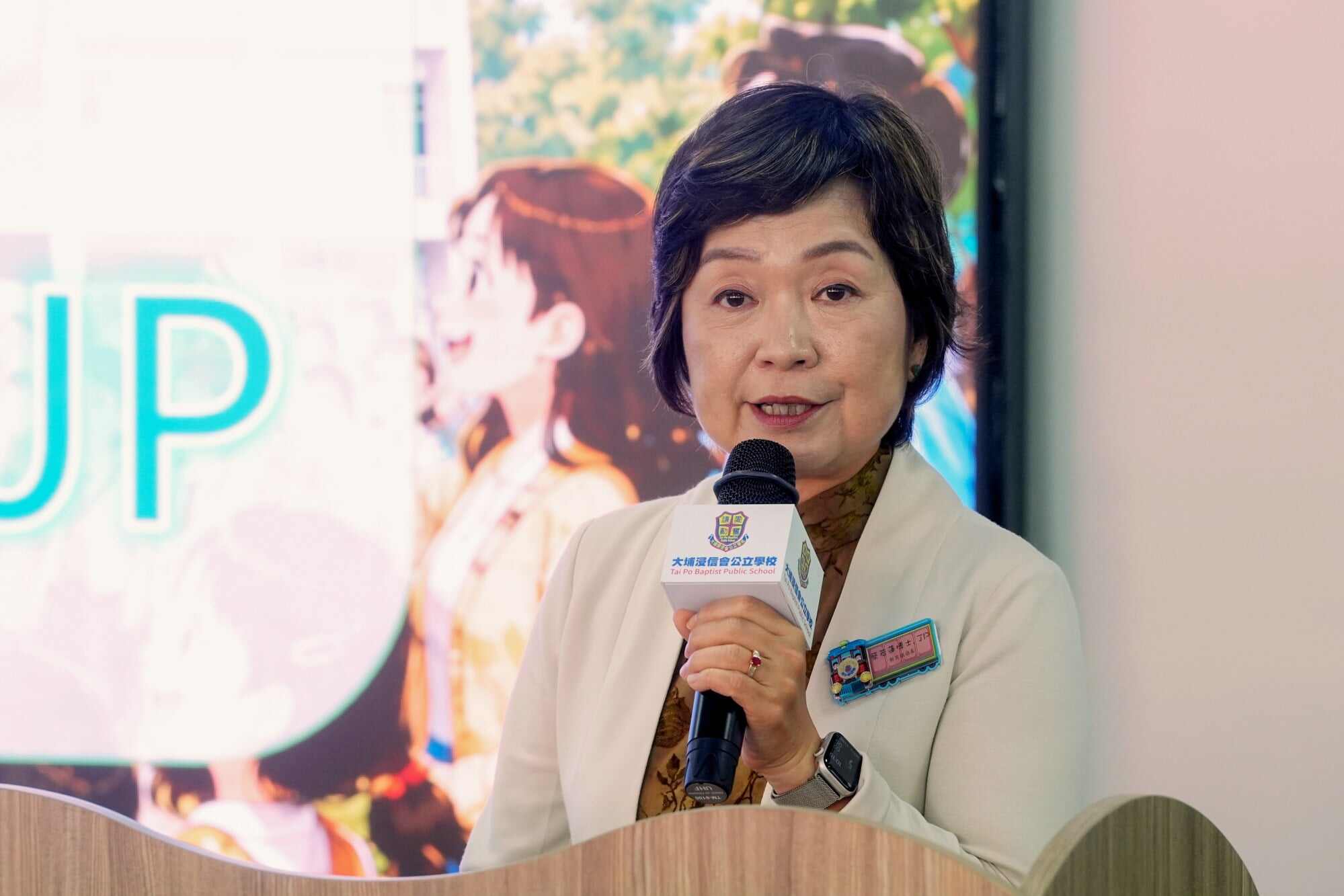
The scrapped study grant
Last year, the Hong Kong government ended a HK$2,500 study grant, forcing an estimated 60 per cent of underprivileged Hong Kong parents to cut back on extracurricular activities and educational support. The scheme, which alleviated financial stress on needy families, has affected nearly 800,000 students.
Prices for a list of school textbooks now range from HK$4,000 to HK$6,000, representing an average increase of 3.6 per cent for the 2026-27 academic year. It is the highest rise since the pandemic in 2020, according to Education Bureau book list data.
Last month, Secretary for Education Christine Choi Yuk-lin said on an RTHK programme that the scrapped student grant was only a temporary measure introduced during the Covid-19 pandemic. She said the textbook subsidy for low-income families was enough.
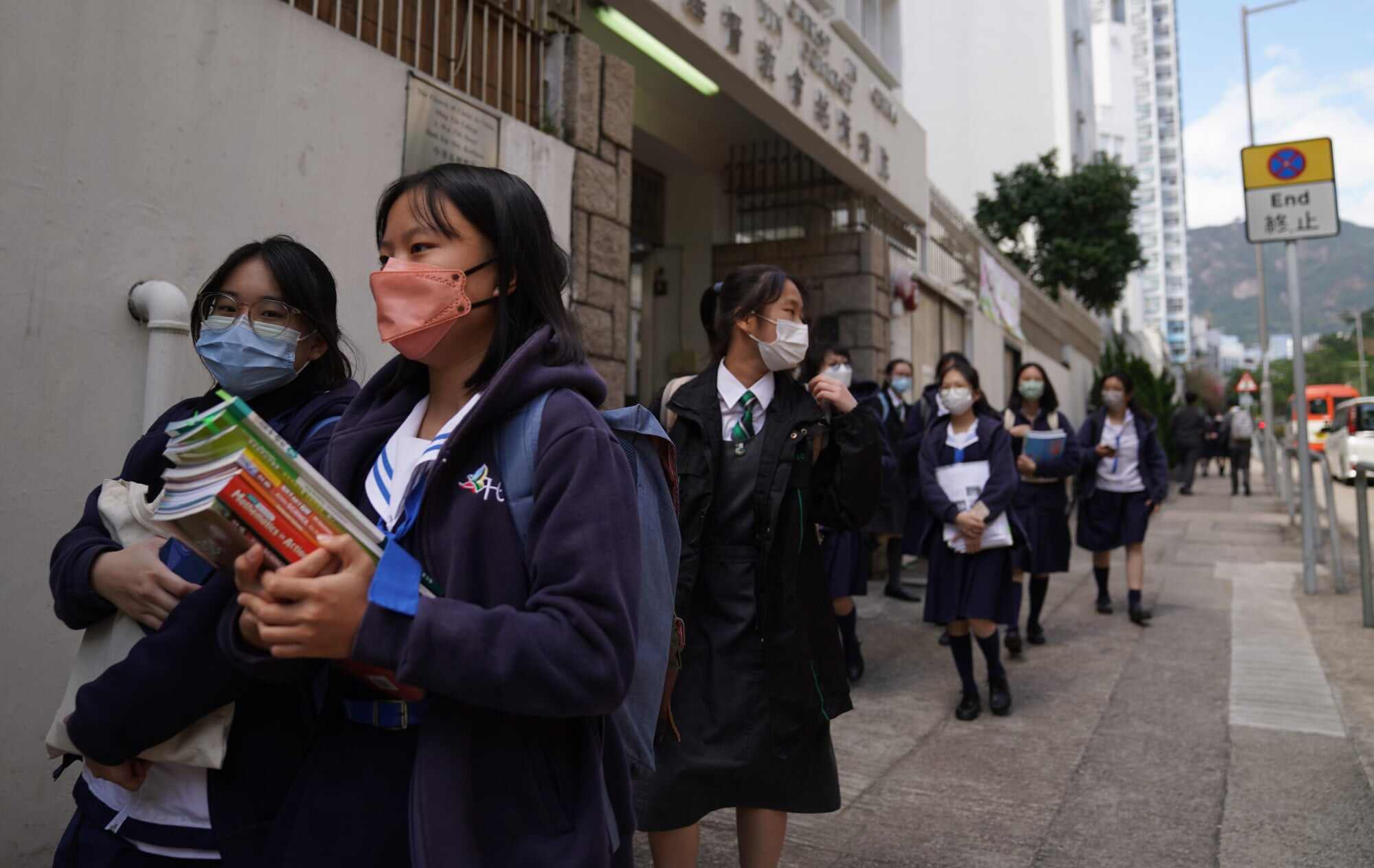
Cherish Chiu, a Form Five student at Leung Shek Chee College, spent about HK$2,500 on second-hand textbooks for the new term, nearly half of what buying them brand new would have cost her.
The 16-year-old only bought new copies of two workbooks for English and a Chinese mock paper. For her sister, a Form Three student at St Mary’s Canossian College, the book list totalled about HK$5,700.
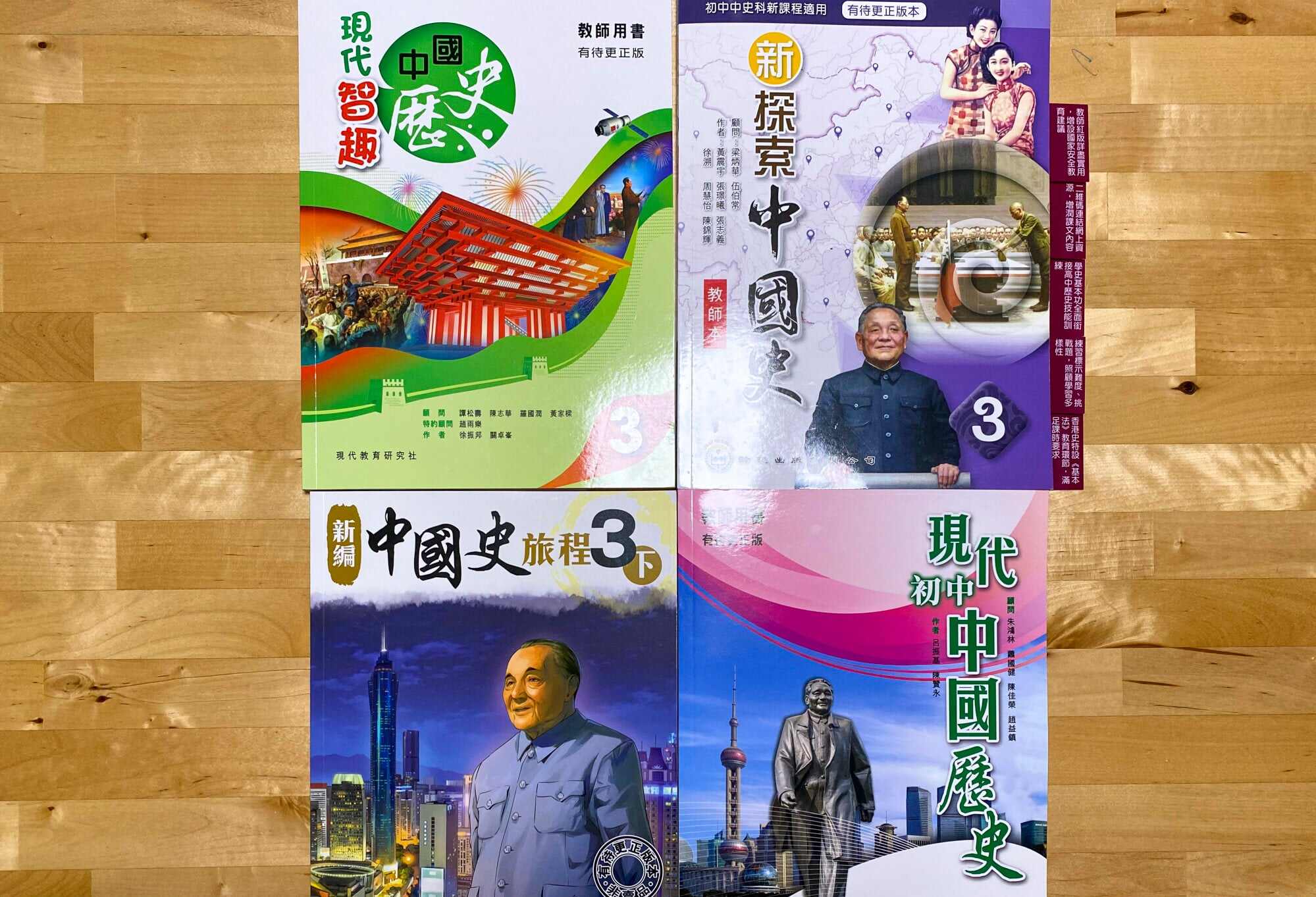
Cherish explained that all junior form history and Chinese history textbooks had been recently updated, along with the senior form citizenship and social development curriculum.
“Publishers usually amend these textbooks very frequently, forcing schools to update the book list,” she said. “It’s unreasonable because the price is rising too frequently. The HK$2,500 financial support from the government is essential [for Hong Kong parents] … It can lower financial stress.”
An expensive headache
Some schools are working to counter the rising textbook prices.
Edith Wong, an English teacher at a subsidised secondary school, shared her institution’s approach.
“We use self-made handouts … and buy just one set of textbooks to cover Form Four through Form Six,” she said.
Wong, who mainly teaches students with special educational needs, added that some teachers use online learning tools and artificial intelligence to create handouts.
“Different schools have different approaches, depending on their focus. We only buy what we will actually use … [to not] waste money,” she said. “[The costs] really are a headache for low-income families, especially if they have two or more kids in secondary school.”
Primary school pupils have also been affected by rising textbook costs. Principal Wong Wai-lap from Lions Clubs International Ho Tak Sum Primary School in Tin Shui Wai pointed to the effects of changed curricula.
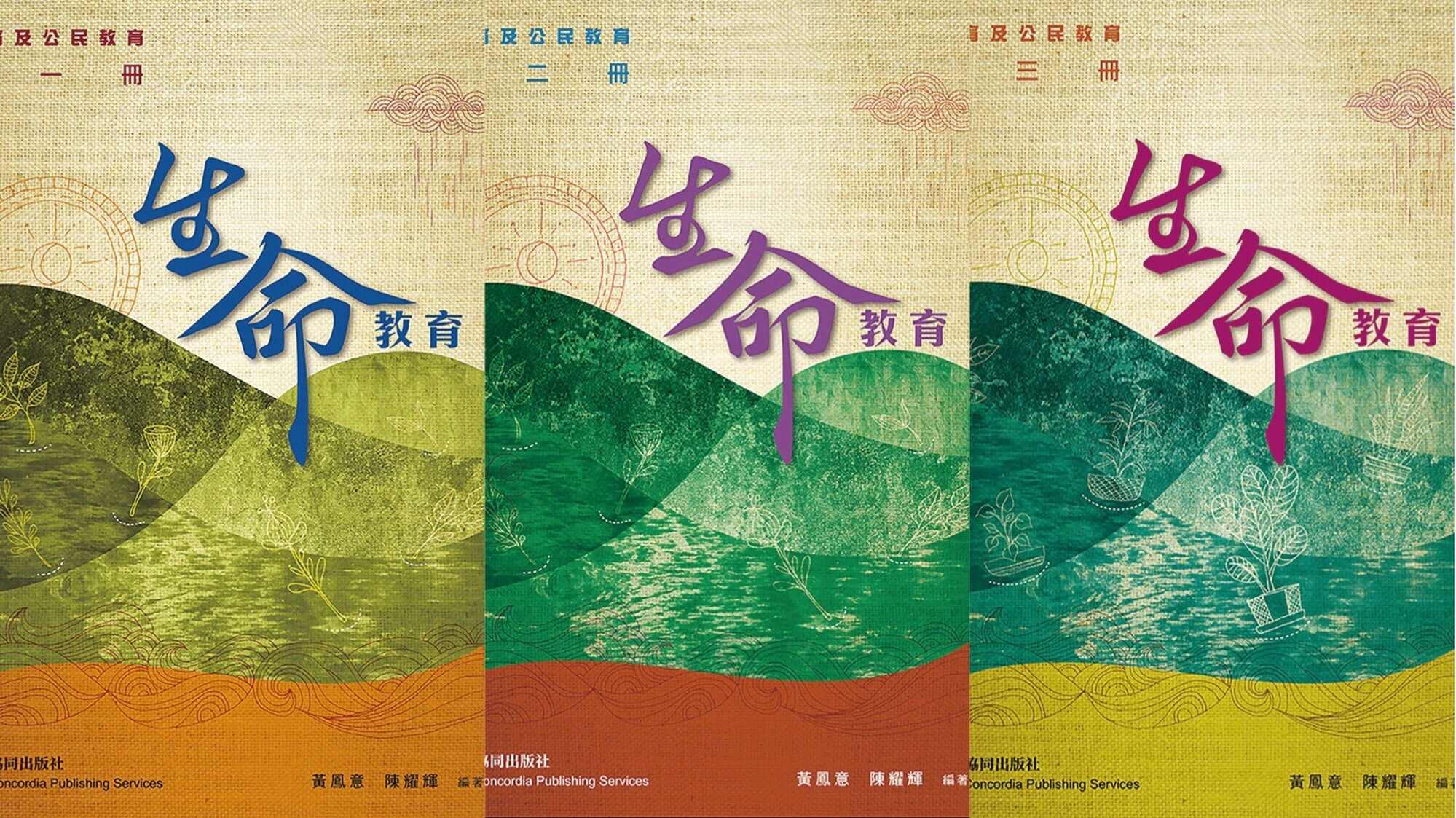
“[It] requires purchasing textbooks and workbooks for more subjects. For instance, primary school general studies has been split into humanities and science, increasing the number of books needed,” he said.
“Information and innovation technology and science requirements may call for purchasing single-use experimental materials, which ultimately means students need more money to buy them.”
The principal noted that Education Bureau regulations required a five-year gap before an updated edition could be issued.
This should prevent constant textbook releases, but a loophole to the rule is that minor revisions are allowed. If the changes are minimal, it is not considered a full new edition, Principal Wong explained.
“If publishers could instead provide supplementary sheets of these revisions, parents could simply print and paste them into the pages, allowing them to keep using second-hand books,” the principal said.
*Full name withheld at interviewee’s request