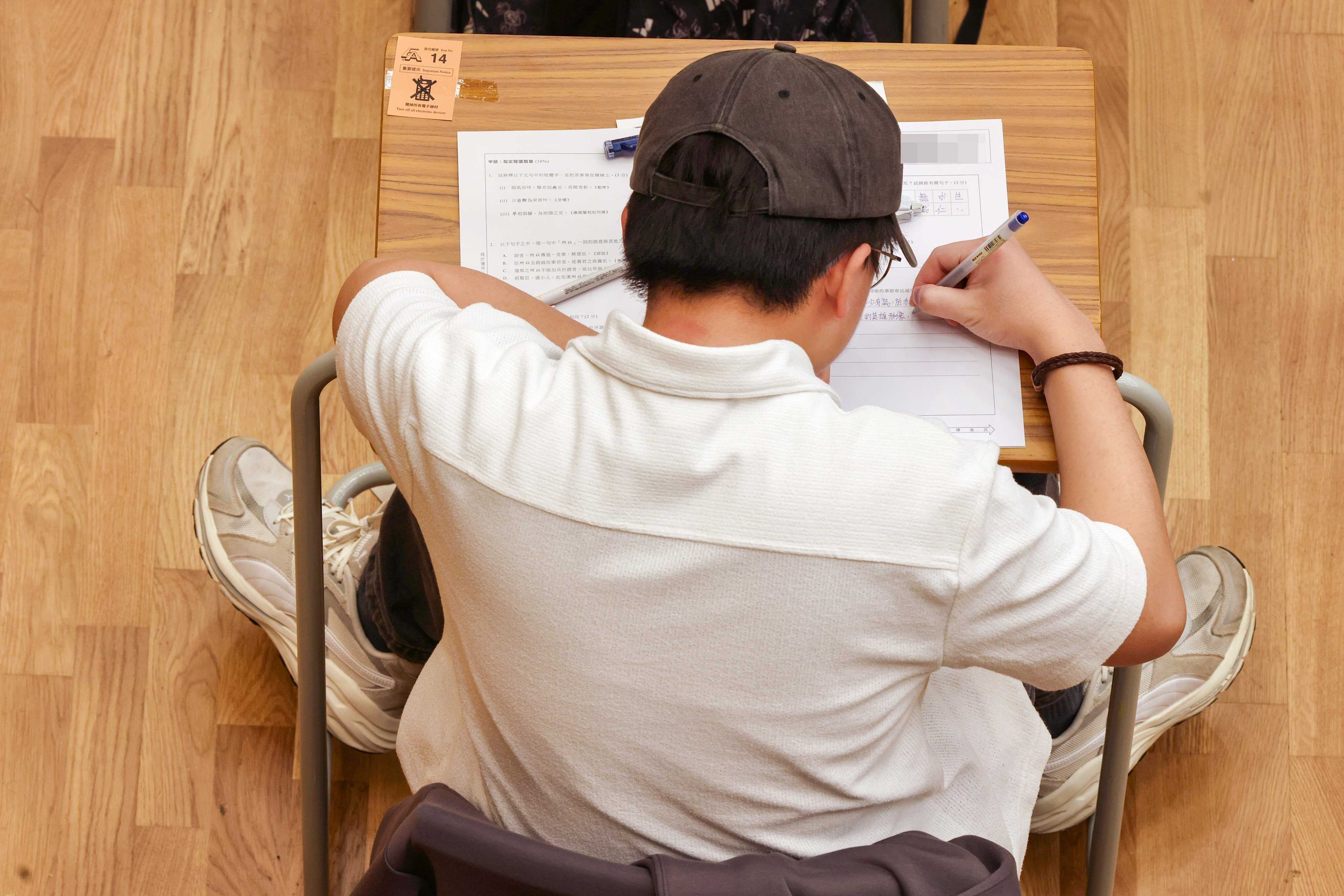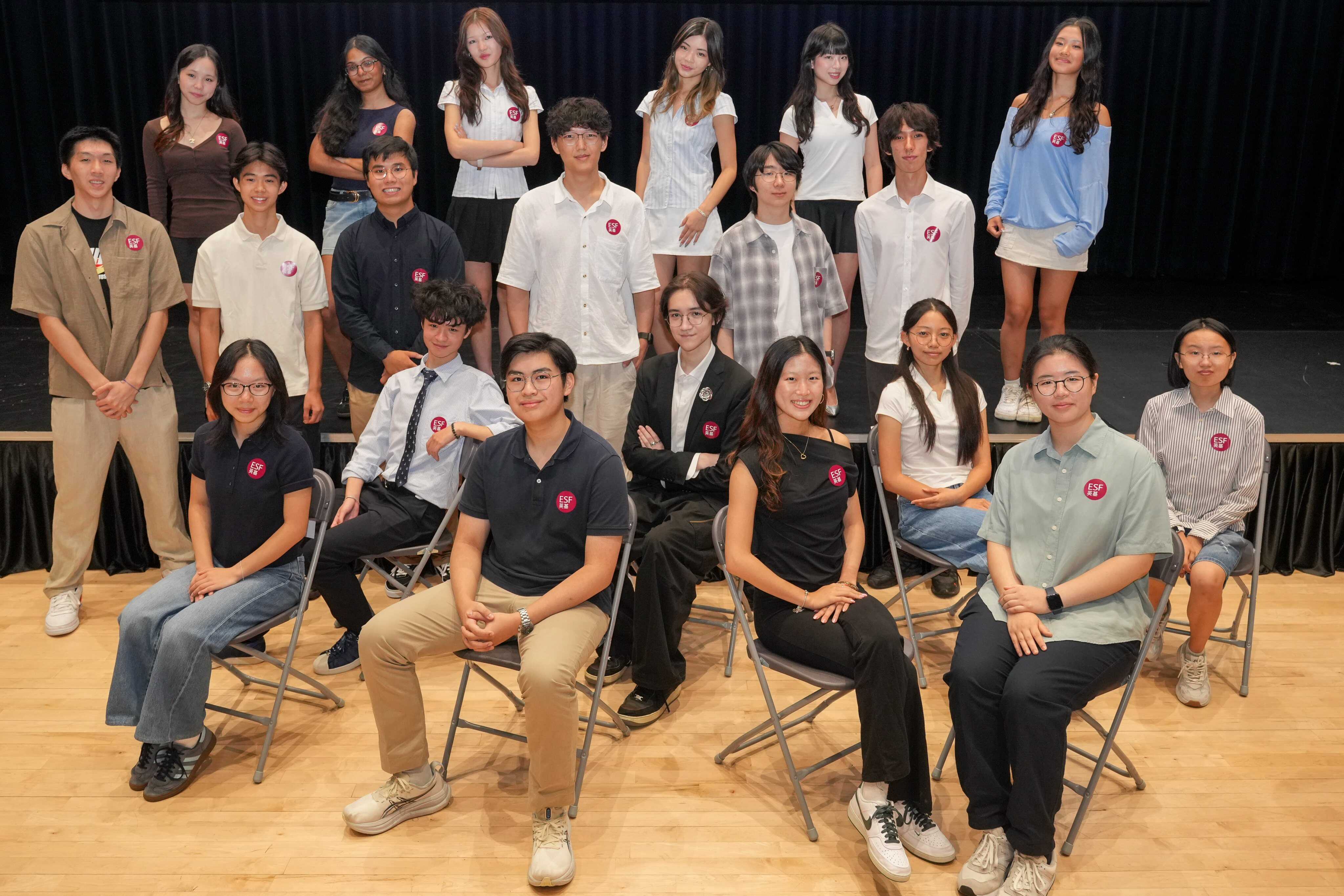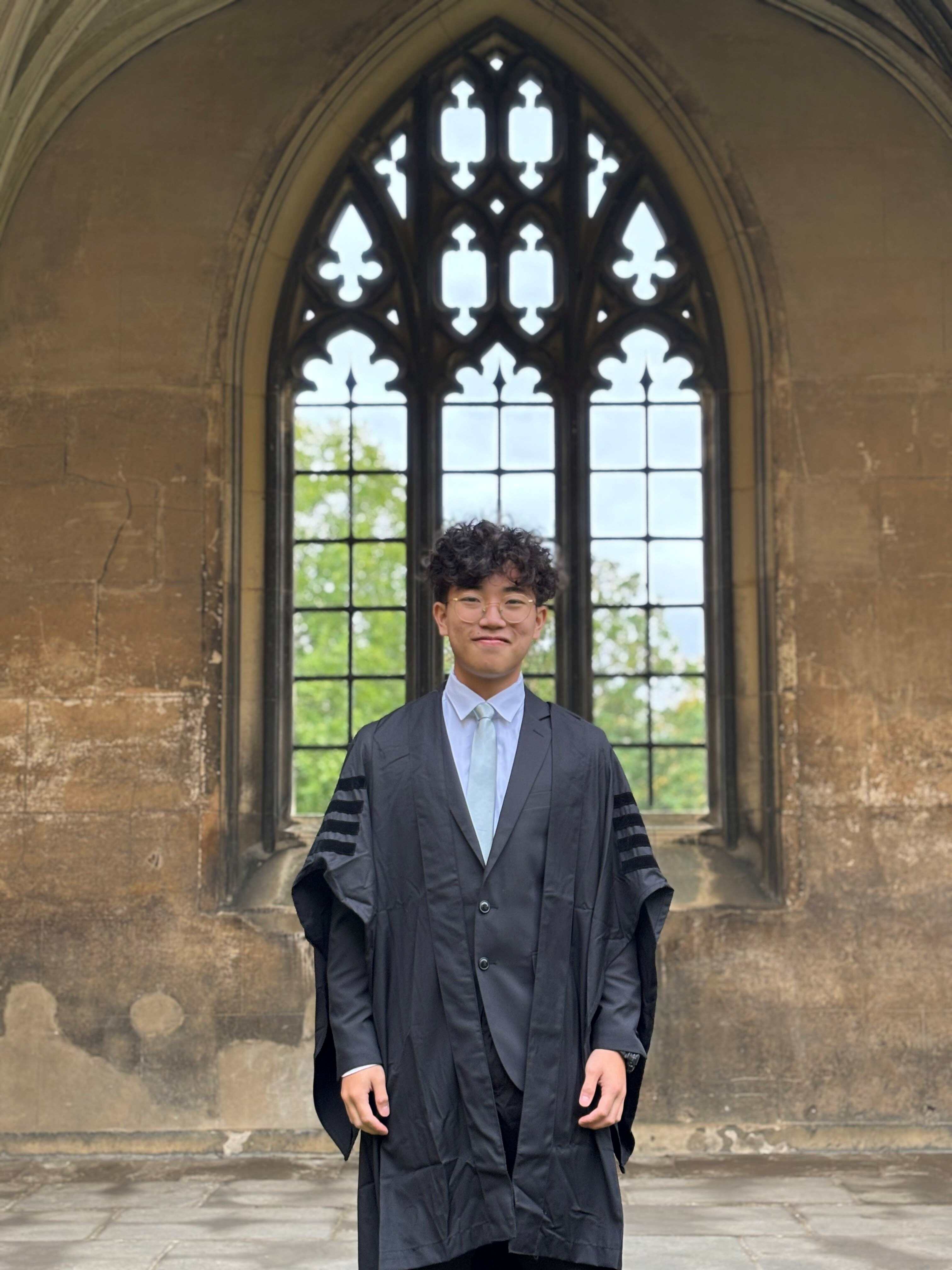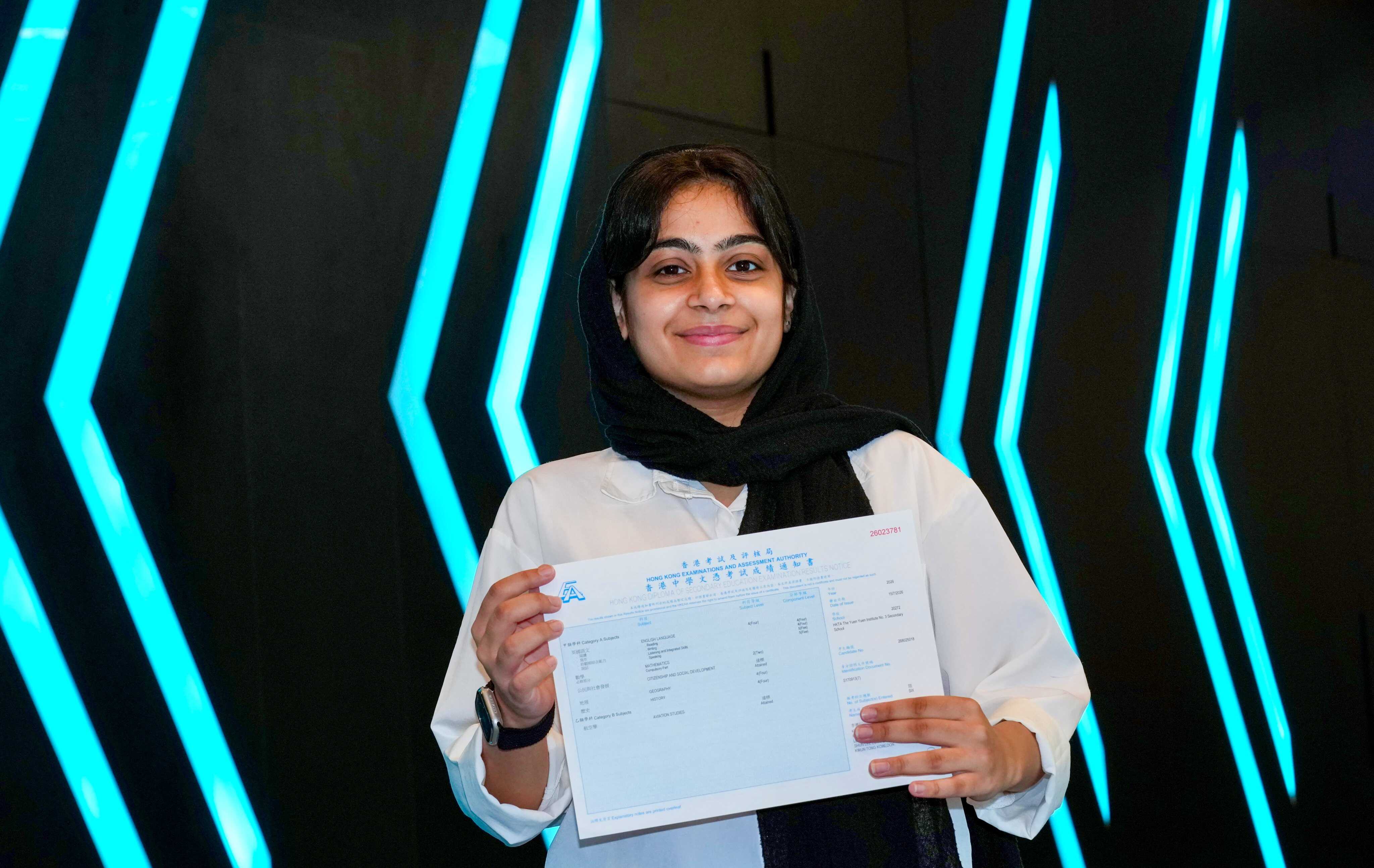
For Manaal Khan, the challenging journey of taking Hong Kong’s university entrance examination was not only an academic hurdle but also a test of her language skills.
Born and raised in Hong Kong to Pakistani parents, Khan persevered through the difficulties of secondary school by holding on to her dream of becoming a modern-day Sherlock Holmes and joining the police force.
“As a kid, I loved reading Sherlock Holmes, and I aspired to be a detective like him,” said the graduate of Hong Kong Taoist Association The Yuen Yuen Institute No 3 Secondary School. “I found it very fascinating how he solves crimes. I really like solving murders and mysteries. I hope one day I’ll be in the position to do so.”
The 18-year-old scored Level 4 in English, geography and history in the Diploma of Secondary Education (DSE) exams, which grade most subjects on a seven-level scale from 1 to 5**.
She was among the 56,853 candidates who received their results on Wednesday.
But to unlock her dream of studying crime science at City University, she first had to survive the local school system.
Having started out in an English-medium primary school, she found her transition to a Chinese-medium local secondary school, St Antonius Girls’ College, in 2020 to be a challenge.
Her grades and class ranking plummeted, sending her into a period of depression.
“It was extremely difficult because it was all in Chinese. I couldn’t cope with the reading and writing,” she said.
“I was also the only ethnic minority [student] in my class, so it was very hard to blend in.”
She described those years as a struggle of “barely passing” and “about survival”.
Khan eventually transferred to Yuen Yuen Institute No 3, where English-medium instruction and dedicated support from a trio of teachers helped her soar academically.
Her drive is deeply personal, fuelled by her parents’ sacrifices. Her father, who arrived in Hong Kong when he was two years old, was unable to attend university, missing out on his dream of becoming a pilot.
“My dad has always taught us that education brings you very far in life,” Khan said. “I’m just trying to fulfil my parents’ dreams and make them proud.”
While Khan looks to solve real-world mysteries, 17-year-old Naina Marikar Hasan Abdul Qadir from Po Leung Kuk Ngan Po Ling College is drawn to the complex algorithms of high finance.
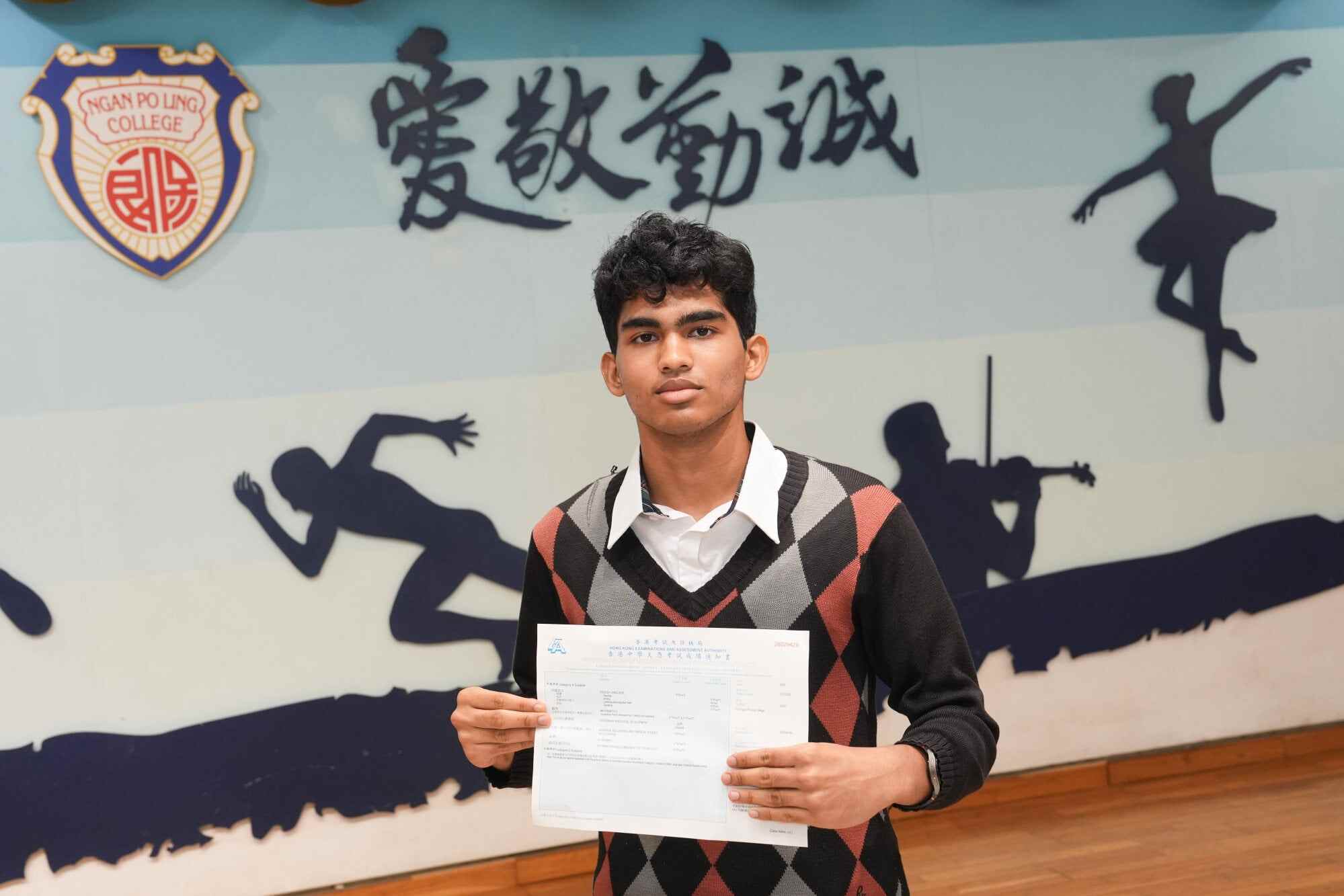
Naina Marikar, who comes from a South Indian background, scored five 5** and two 5*. He has secured an unconditional offer to study quantitative finance at the University of Hong Kong.
Like Khan, Naina Marikar had to navigate language barriers during his formative years. He recalled how difficult it was to find English-language support outside school, citing a lack of DSE study materials in English at tutorial centres as a major obstacle.
“A lot of DSE tutorial centres are majorly in Chinese,” he said, describing the frustration of searching for online maths help. “Every time I was on a page, I’d have to Google Translate the page … it was incredibly frustrating.”
He also had to make the strategic decision in Form Six to drop the harder DSE Chinese-language exam and opt for the GCSE equivalent, due to concerns that it would harm his performance in other subjects.
Both students credit their triumphs to consistent study habits and a healthy relationship with artificial intelligence (AI) technology.
Khan’s formula is simple. “Stay consistent,” she said. “Start small, then gradually increase the hours of studying.”
She uses active recall and the GoodNotes app while keeping her phone away to focus.
Naina Marikar credits his high scores to using AI tools such as Gemini to break down tough economics concepts.
“When I don’t know how to do a question, I take a screenshot of it and just ask Gemini, and ask it to explain it to me like I’m a five-year-old,” he said.
However, he warned future candidates to stay sharp.
“AI still can’t capture those nuances,” he said, noting the risk of online misinformation.
“Use it as a last resort, not a short cut. AI can give you hints, but it can’t sit in the exam for you.”