Every week, Talking Points gives you a worksheet to practise your reading comprehension with exercises about the story we’ve written.
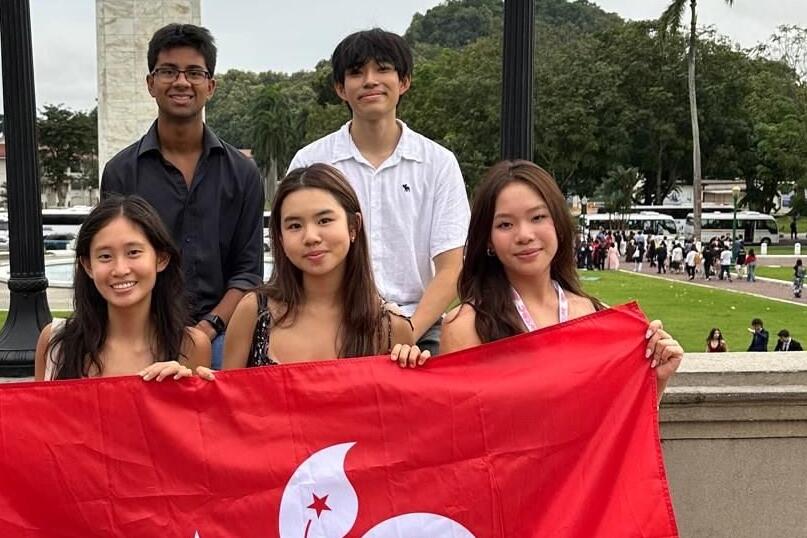
In a room packed with crowds listening intently to their every word, five of Hong Kong’s best student debaters passionately argued about the pink tide movement – a turn to left-leaning politics in Latin America.
As they discussed progressive social policies to reduce inequality and increase state control over the economy, the teenagers were excited just to be in the semi-final round of the World Schools Debating Championships (WSDC) this summer.
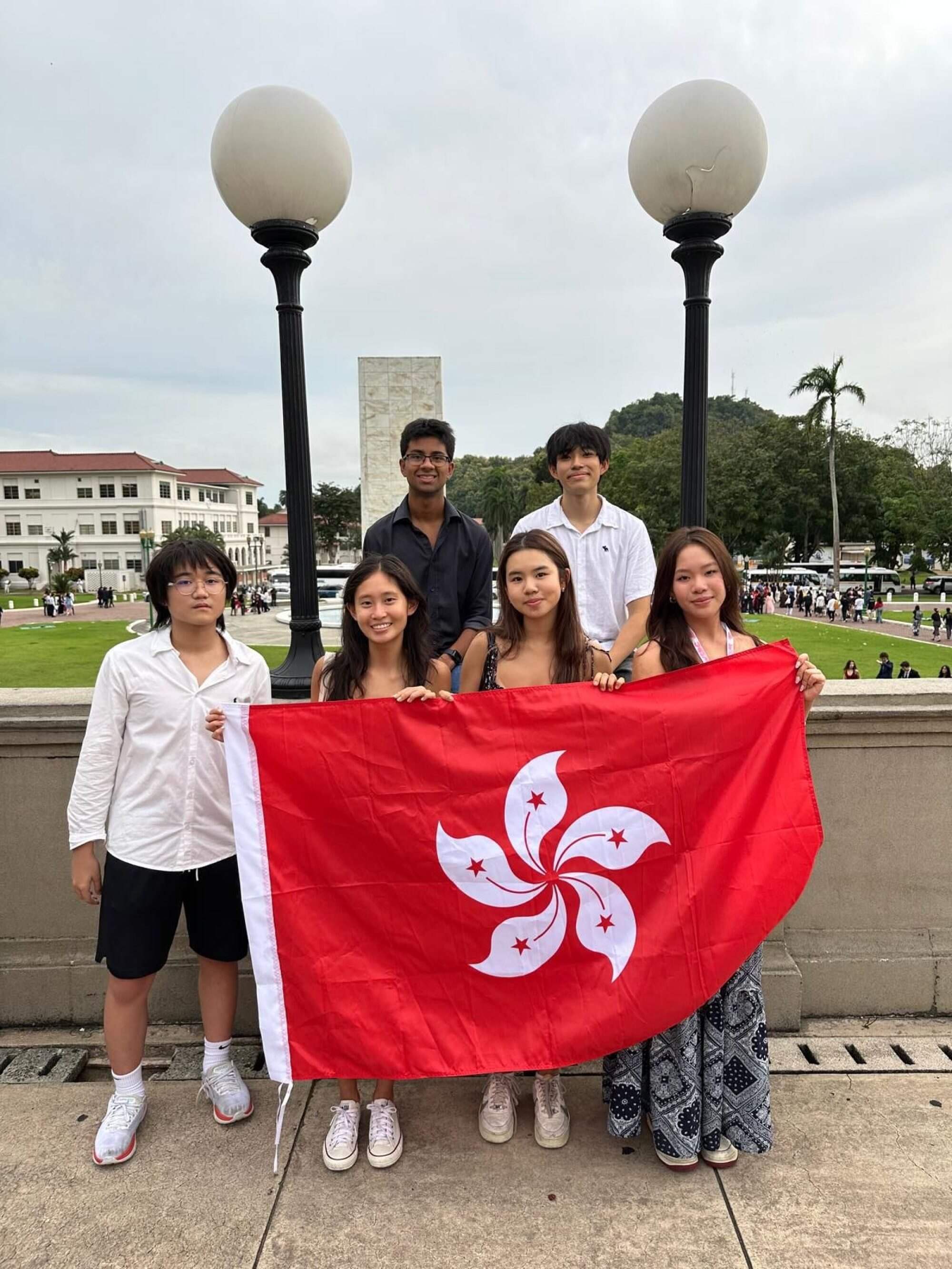
“Probably over 100 people were watching our debate there. It was a pretty high pressure situation. It felt like the culmination of years of debating,” said 18-year-old Advik Sharma, who graduated from Hong Kong International School this year.
Sharma explained that the WSDC is the highest level of debate for secondary school students. In the past, the Hong Kong team has gone all the way, being named the champions in 2022.
Although this year’s team lost by just one vote in the semi-finals, the students were still excited about their success.
“[This] was the final stepping stone in my debate journey,” said 18-year-old Juhyun Nam, another student on the Hong Kong team. “It was always the ultimate goal throughout high school – to compete at [WSDC] as the culmination of all my debating experiences.”
Overcoming challenges
This year’s competition invited the world’s best teen debaters to go head to head in Panama.
In the lead up to the competition, the Hong Kong team practised from 11am to 8pm every day for two weeks.
After arriving in Panama City, they battled sickness and logistical issues while competing through eight preliminary rounds.
“I remember the wave of relief that washed over me when I heard the chair announce our win in the quarter-finals,” said team member Jeanine Cheng, 18. “Our motivation was at a record high during our preparation for the semi-finals.”
While the team ended up losing, four votes to three, they were still proud of their performance.
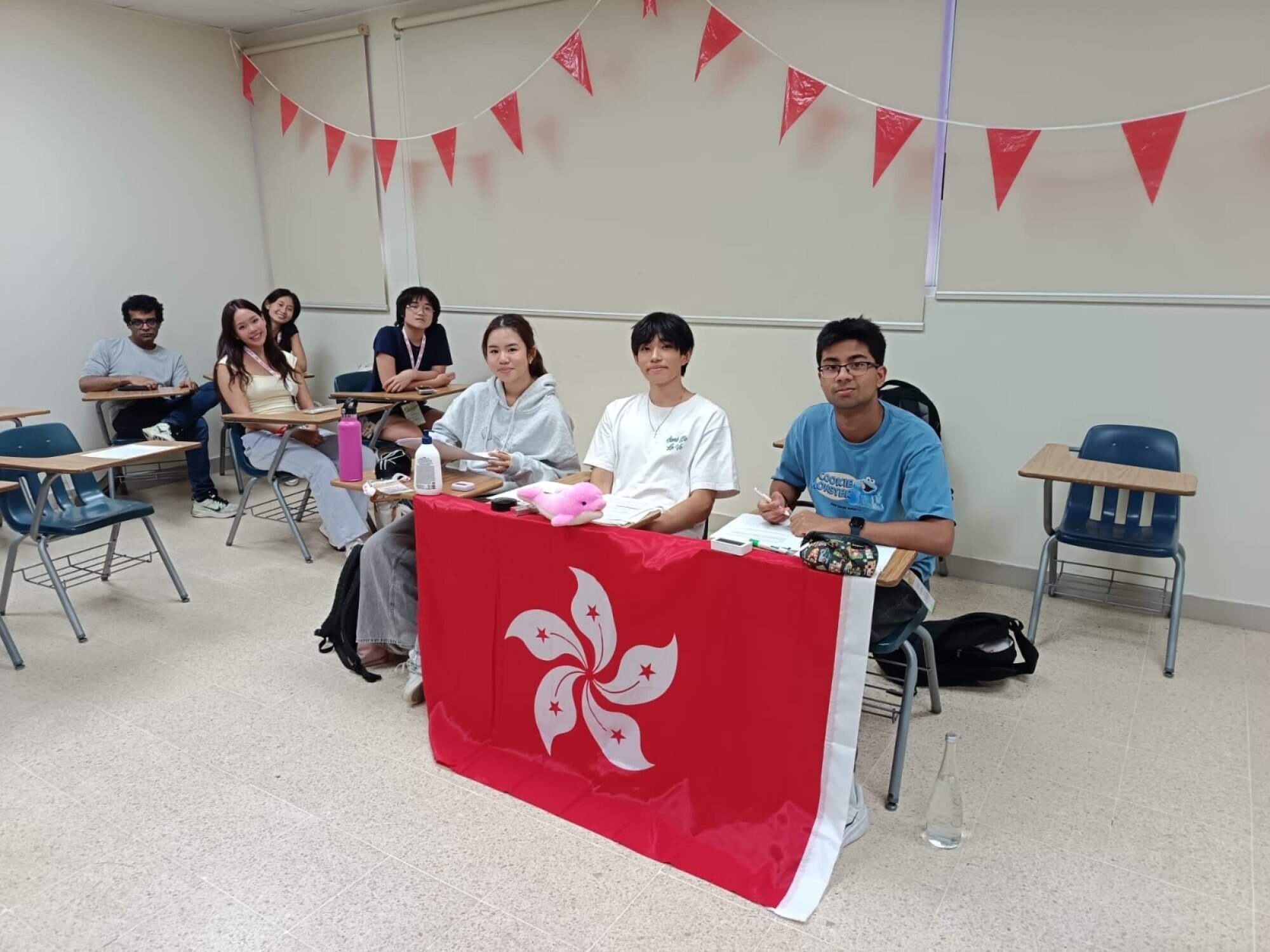
“There were tears from all of us,” recalled Nam, who graduated from Hong Kong International School and is now in his first year at Duke University in the US.
Not only was the team proud of their high ranking in the tournament, but several members also mentioned the strong friendships and relationships they cultivated through debate, with mentors and coaches as well as teammates and competitors.
“Laughing with my teammates was one of the most fulfilling things in Panama,” said Cheng, who graduated from Chinese International School and now attends Stanford University in the US.
Finding success in failure
“Debate is just as much of an individual sport as it is a team one,” said Mollie Mei, who, at 16 years old, was the youngest member of the team.
Each student had their strengths and contributed to the overall success of the team, explained Sharma, who is now in his first year at Northwestern University in the US.
However, working together under such intense pressure was not without its challenges: “We’d occasionally fight about what kind of arguments we should run in a given debate,” Sharma said.
One interesting learning experience for the Hong Kong team was the differences in views across cultures.
“It took a lot of work to catch some of our cultural assumptions throughout this process,” Sharma recalled. “It was easy to assume the entire world worked the same way as Hong Kong. Debating with teams like Bulgaria and Pakistan, we learned a lot about unique ways of approaching concepts like education and democracy, which we hadn’t otherwise considered.”
For Cheng, great debaters are open-minded, knowledgeable about the world and can explain tough concepts. Nam mentioned the importance of teamwork and critical thinking, while Sharma said great debaters should be avid readers.
Mollie, a student at Hong Kong International School, has learned a lot from her older teammates, including the importance of individuality: “Never try to mould yourself into one generic ‘perfect debater’,” she said. “There is no single right way to debate. Debate is about finding your own voice and understanding the topics or skills that you individually excel at.”