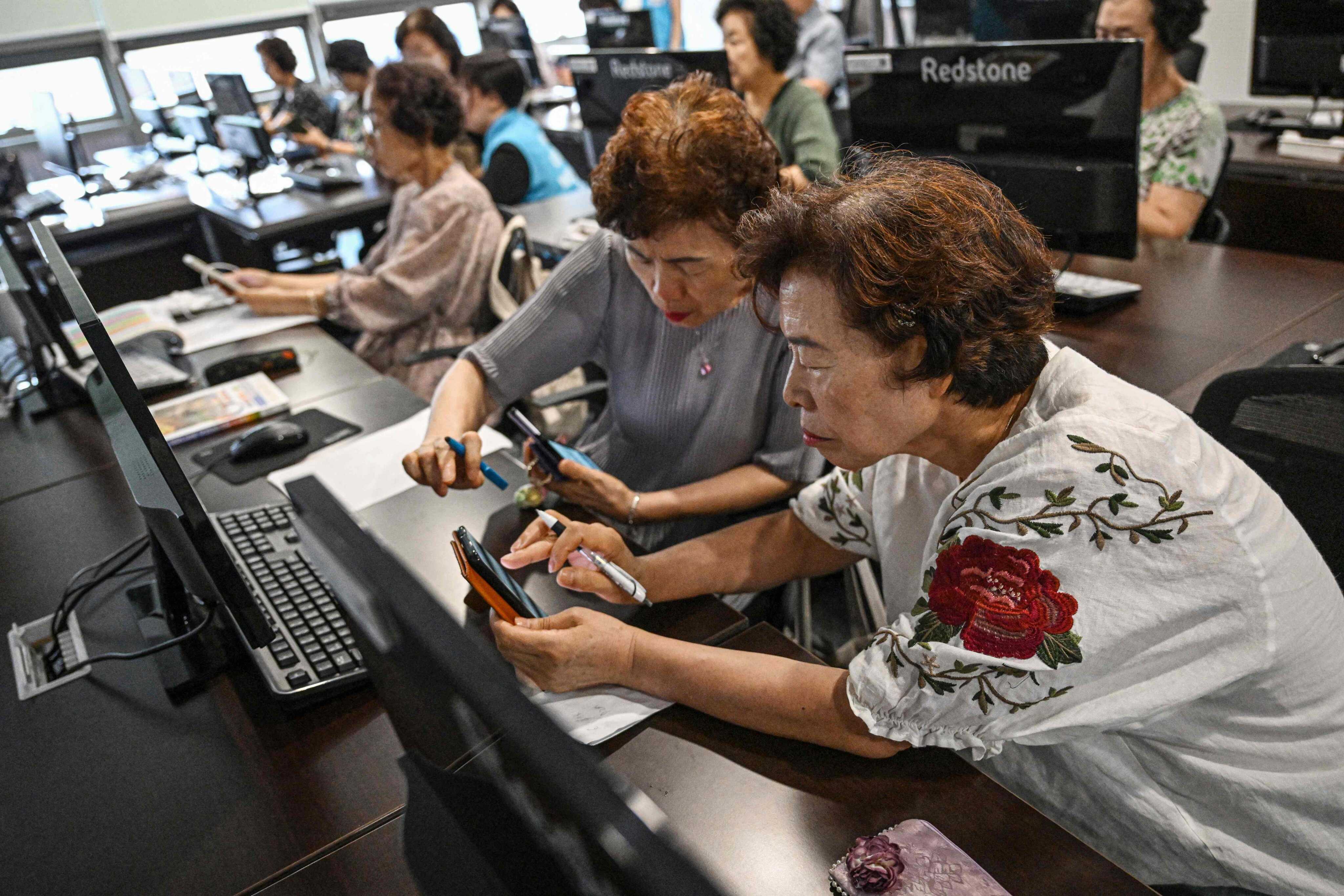
South Korean President Lee Jae Myung is launching an “AI for All” initiative that will hand every citizen free access to artificial intelligence (AI) – integrating it into hospitals, schools, government offices and daily life.
The government already has a 10 trillion South Korean won (HK$56.6 billion) AI budget for the current financial year and has allocated an additional 250 billion won for the roll-out through 2027.
A beta version is set to launch soon this month.
It will give citizens free, unlimited access to general-purpose chatbots and AI agents developed by three consortiums – led by the country’s telecoms giants SK Telecom, KT and Kakao – using hundreds of state-of-the-art Nvidia B200 graphics processing units lent by the government.
From next year, officials envision the temporary trial will become a permanent taxpayer-funded public utility, eventually connecting to government systems to allow citizens to book doctor’s appointments, go house hunting, get tax advice and the like, all through AI intermediaries.
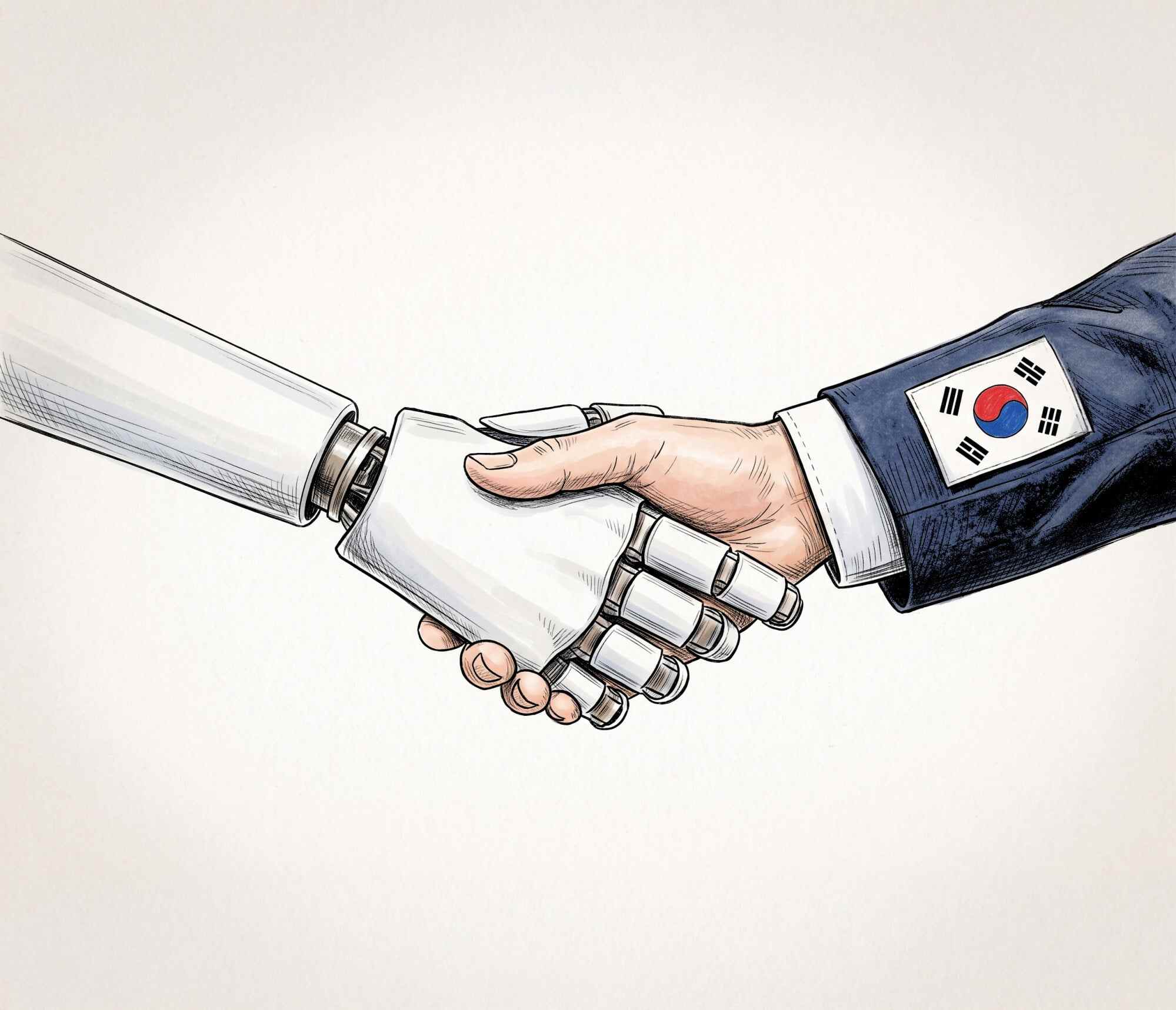
To manage the risks involved, Seoul is relying on its landmark AI Basic Act, which came into force in January, to ensure human oversight, mandatory impact assessments and clear marking of synthetic content.
Meanwhile, a state-funded AI Safety Institute has been tasked as a technical watchdog to evaluate pitfalls and ensure public AI utilities remain trustworthy, secure and answerable to the citizens who use them.
South Korea hopes its “AI for All” push will help it become one of the world’s three leading AI powers alongside the United States and China.
But the same society racing to put AI in every pocket is also confronting its consequences: automation eliminating jobs, a surge in deepfake crimes and a generation’s reading scores declining.
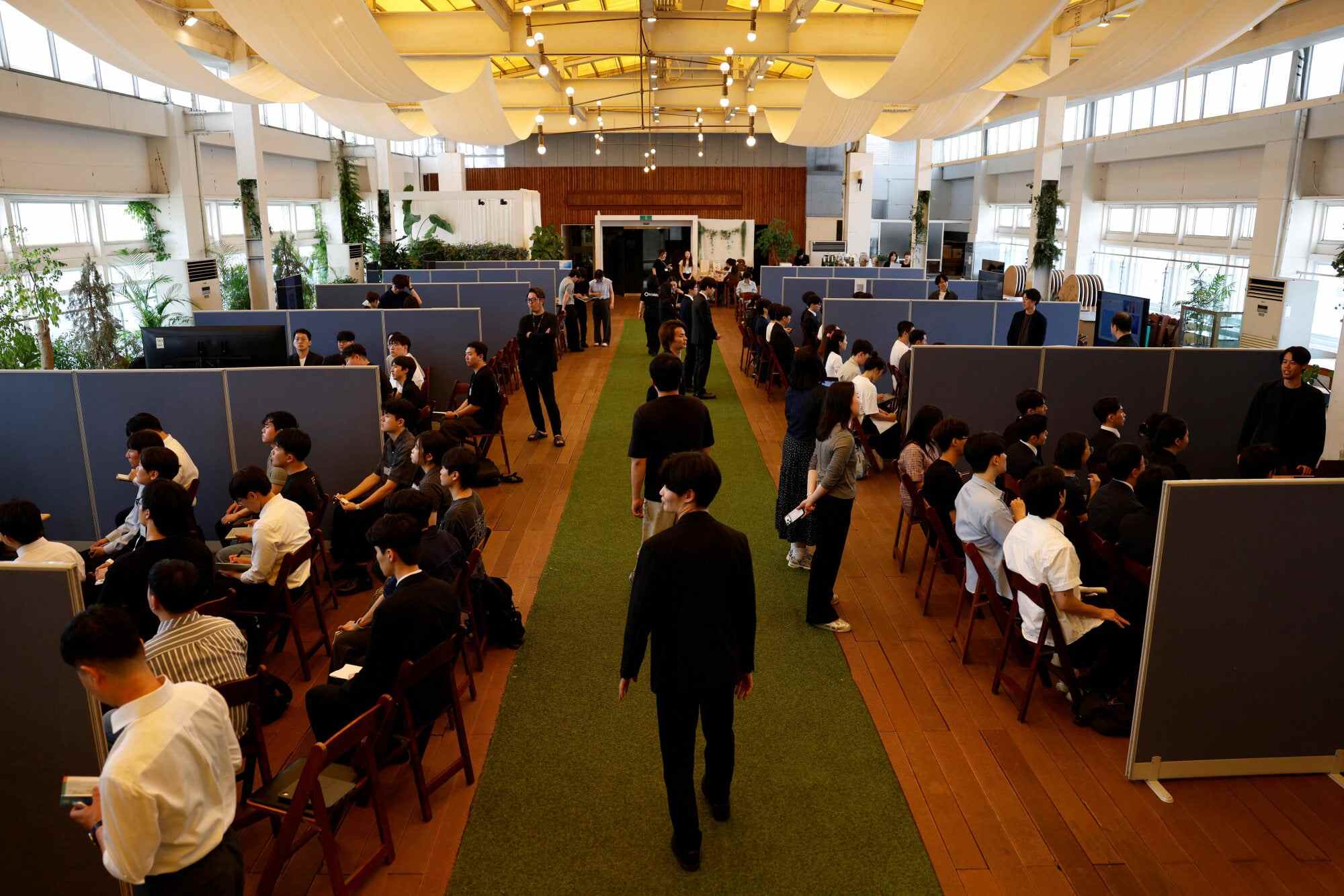
The number of working young South Koreans aged 15 to 29 dropped by 285,000 between June 2022 and June this year, according to the central bank. It estimated that 94 per cent of that decline was in sectors highly exposed to automation.
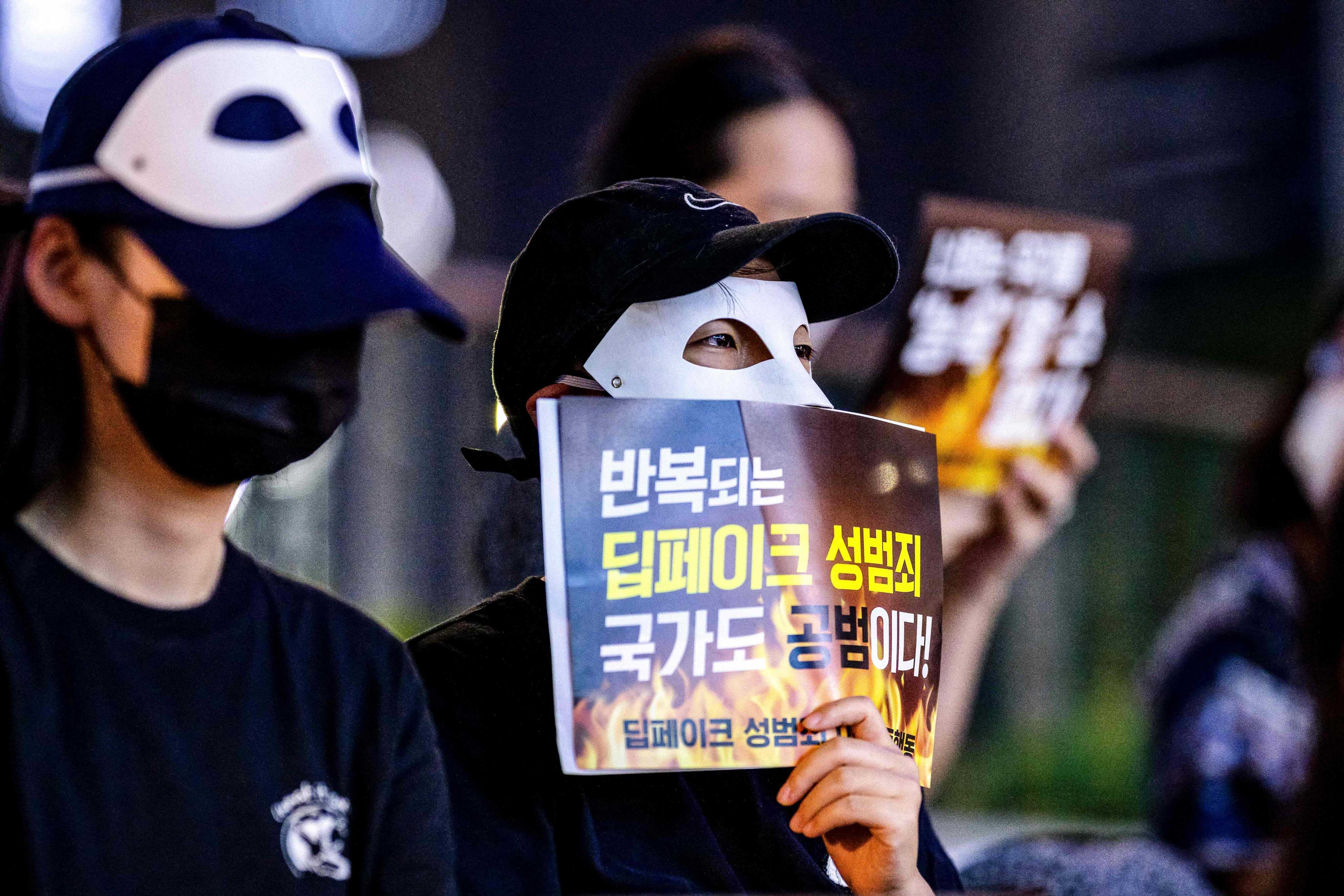
But South Korea’s most visceral fears surrounding AI stem from criminal misuse. The Nth Room case of 2020 and subsequent scandals led to the country strengthening its deepfake laws in 2024. But police still recorded 1,553 deepfake-related offences last year, according to statistics presented at a recent forum hosted by Amnesty International Korea.
Won Eun-ji, director of Team Flame, which investigates digital sex crimes, has spent much of this year infiltrating roughly 50 Telegram chat rooms alongside investigative outlet Newstapa. She has documented how AI tools have swelled the ranks of anonymous perpetrators and lowered the age of victims.
And in schools, educators protested last year against the government’s short-lived 1.2 trillion-won plan to roll out AI-powered textbooks.
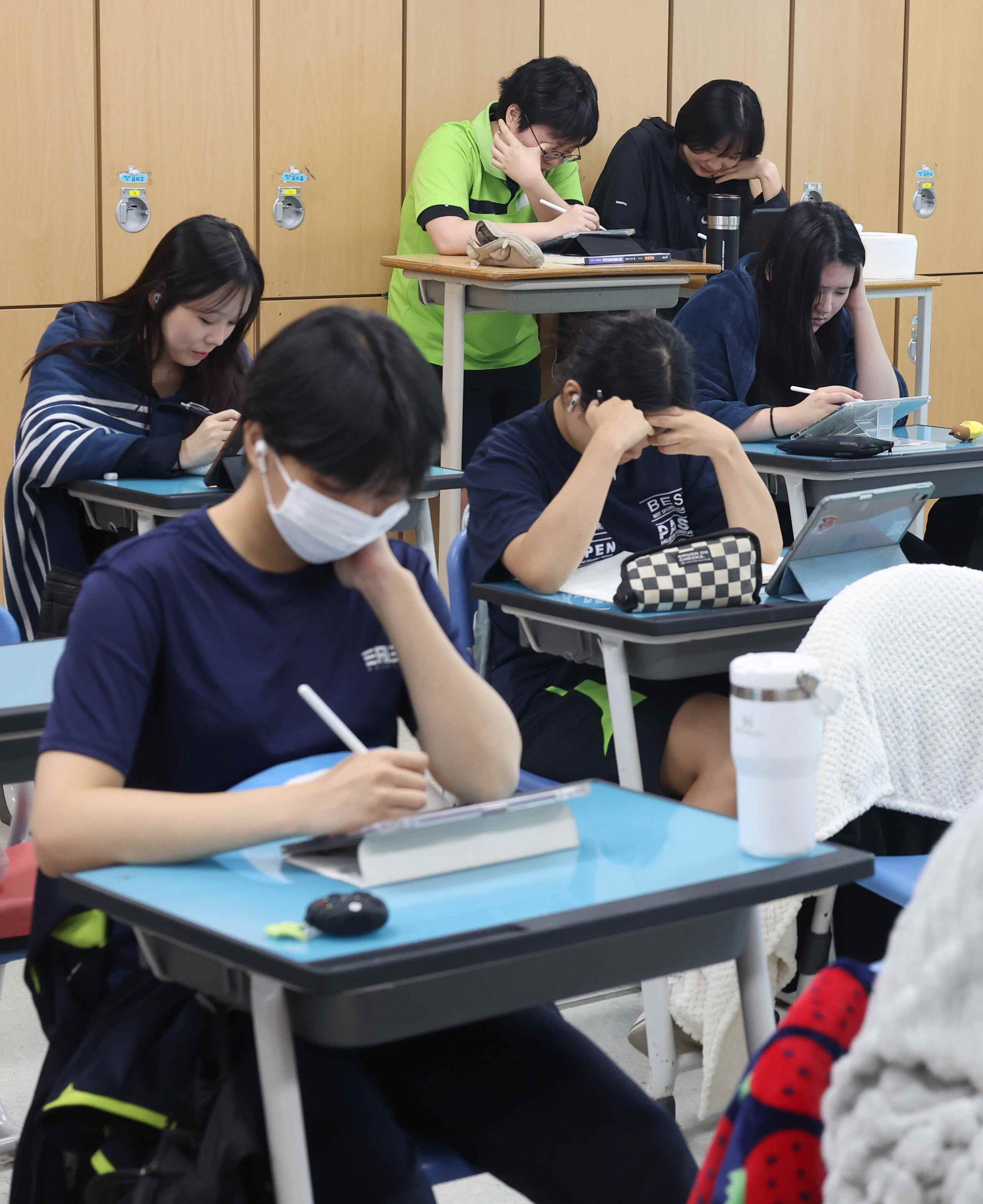
AI short-circuits the learning process, said Song Keun-sang, one of the educators who protested. “It simply gives you the answers,” the fifth-grade teacher at a school in South Chungcheong province said. “It doesn’t have much educational value.”