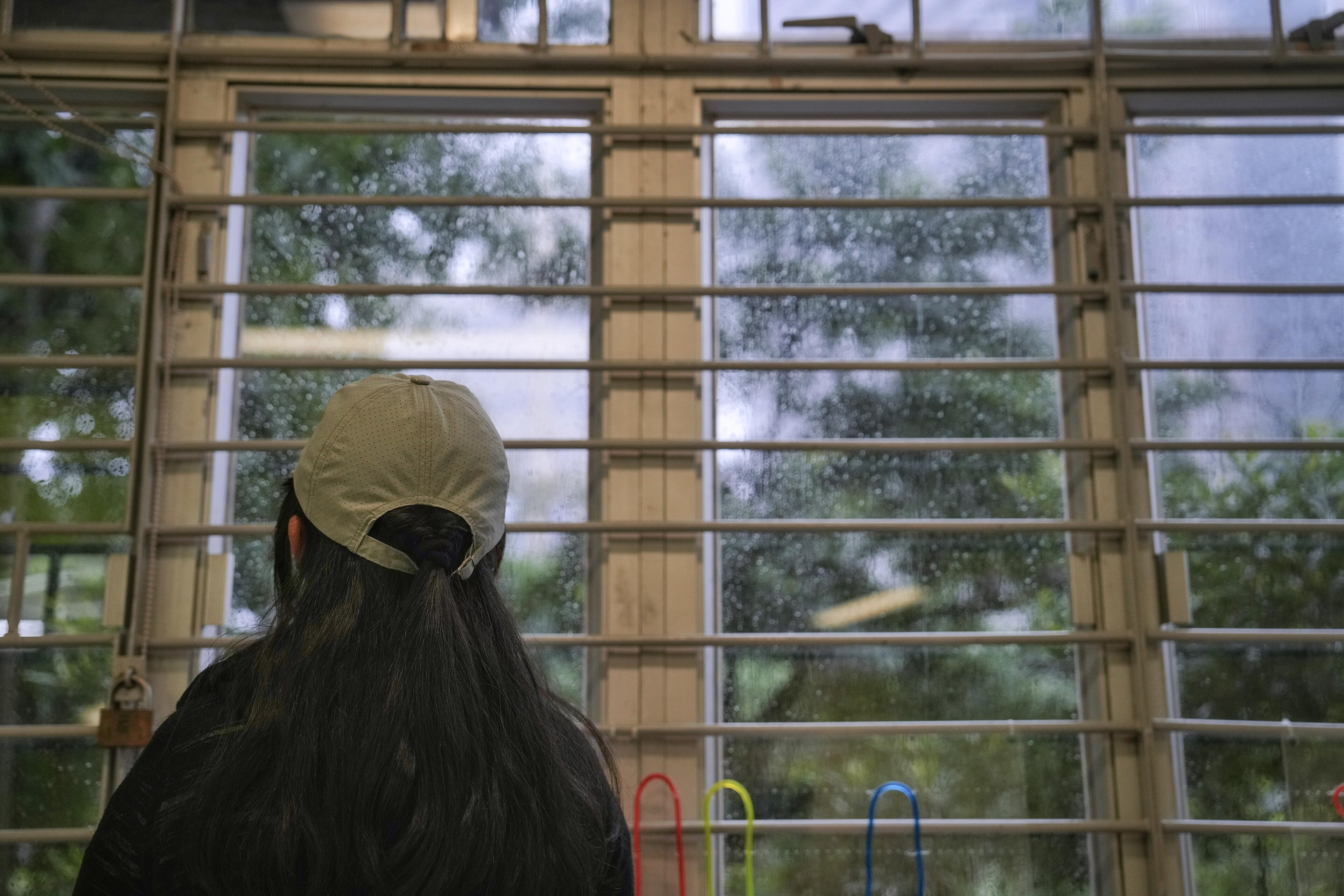
The guilt weighs heavily on Jerry* whenever he reflects on his school days in Kota Kinabalu and that “awkward kid” he once tormented.
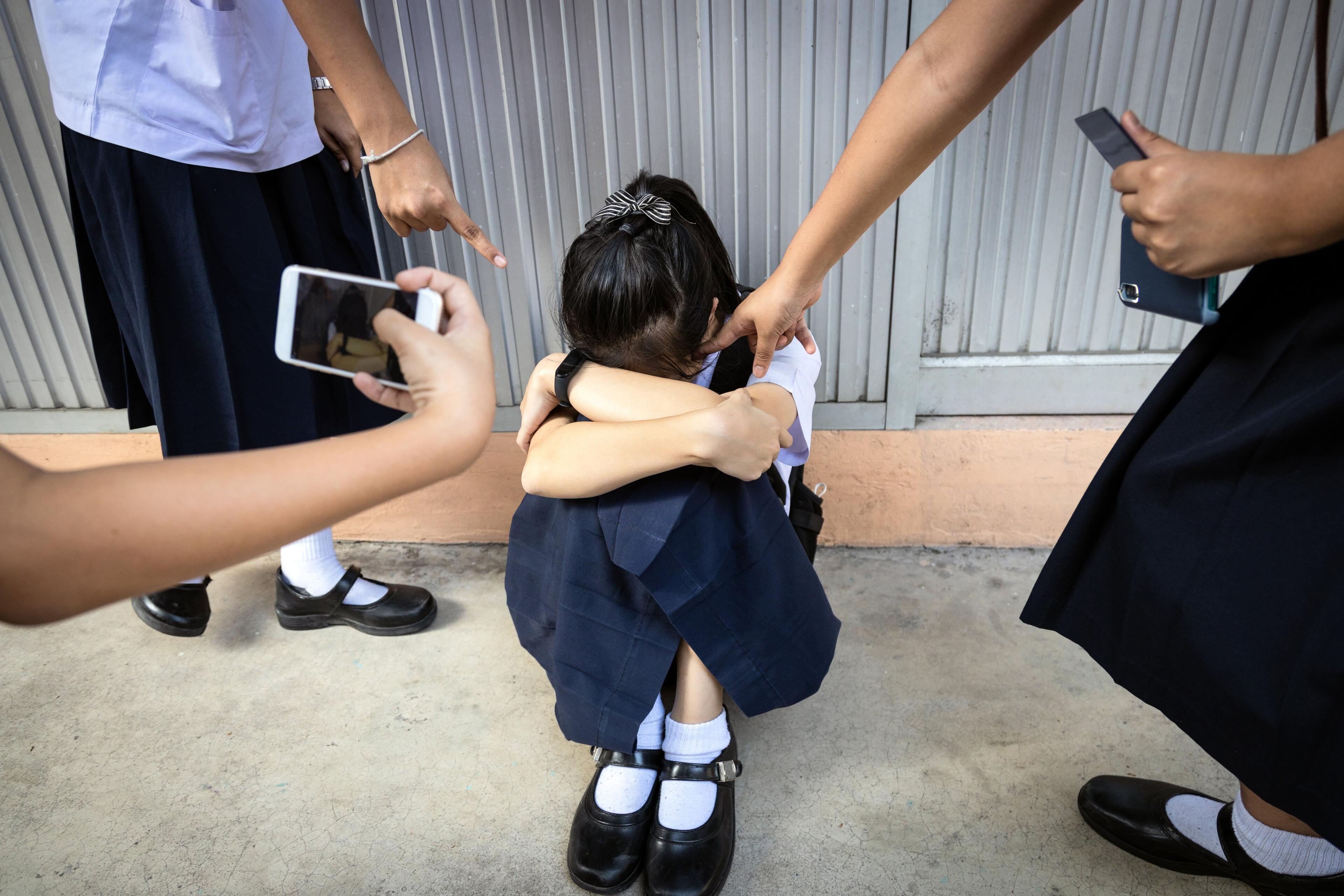
The boy was an easy target for Jerry and his friends, who found amusement in humiliating him by stealing his shoes, pulling down his trousers or beating him.
They were only 12 at the time. Yet, more than two decades later, Jerry feels the burden of considering what those moments might have meant for his victim.
In Malaysia, abuse, humiliation and violence have a long history in the country’s educational institutions.
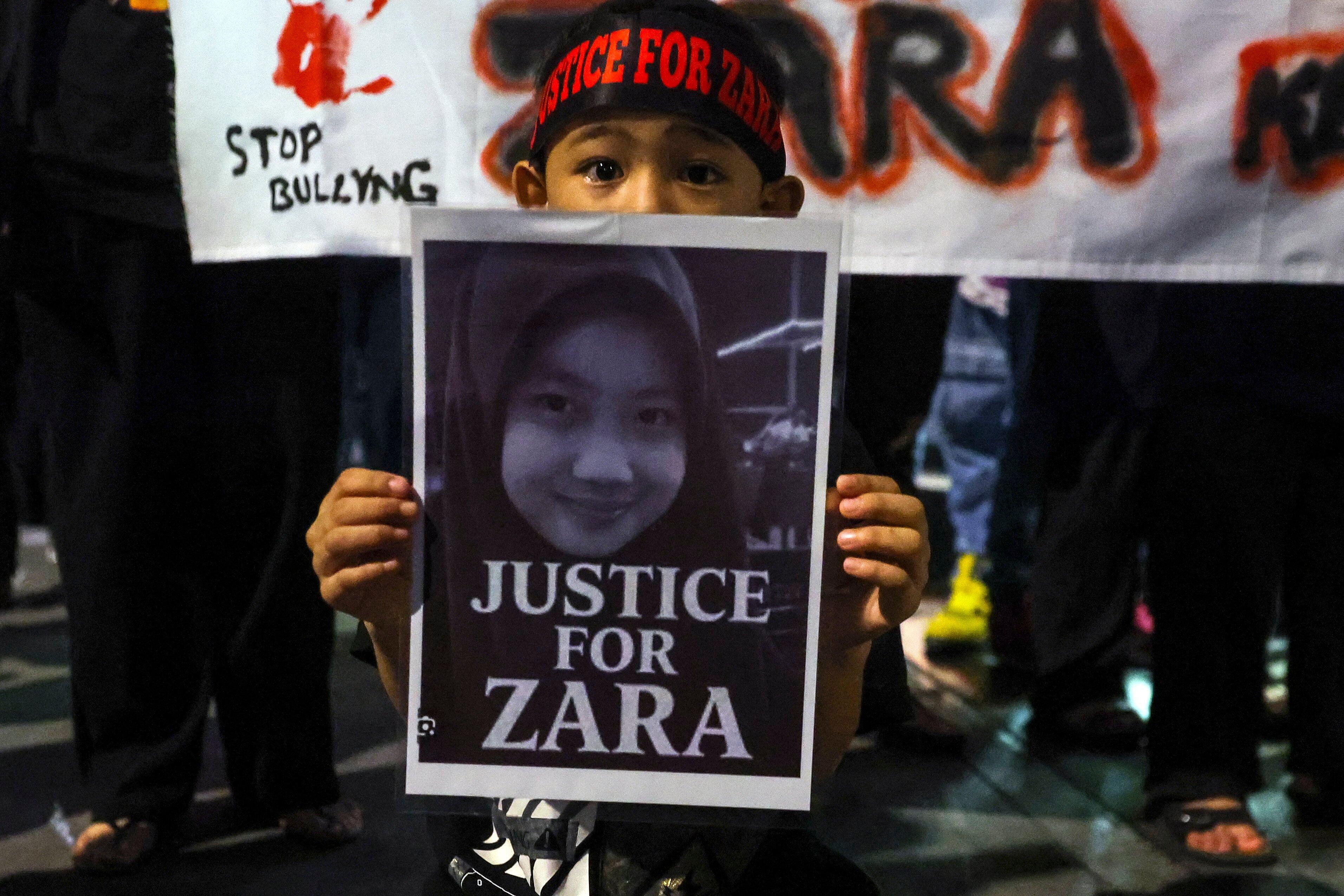
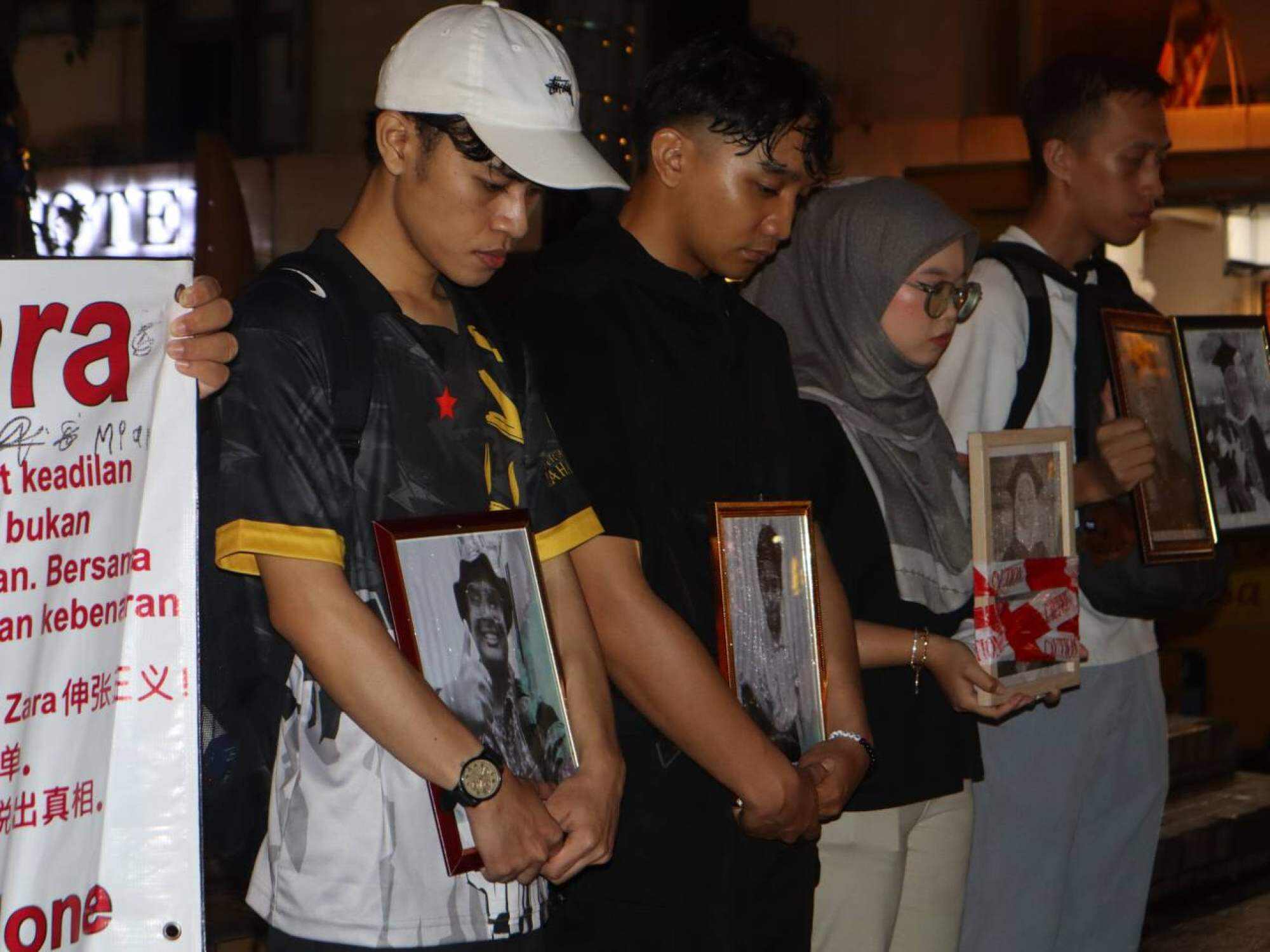
The issue of bullying resurfaced in national conversations this summer when 13-year-old Zara Qairina Mahathir was found unconscious outside her dormitory at an Islamic boarding school. She had fallen from a third-floor balcony and died the following day. Five teenagers have since been charged with bullying.
The case has captivated Malaysia, with allegations of a cover-up and police admissions of initial investigative failures fuelling public outrage.
Since Zara’s death, more victims have come to light, telling chilling stories that echo one another. In early August, 10-year-old cancer patient Izzul Islam Azuan was hospitalised after being repeatedly struck by a classmate. Weeks later, a high court ordered the exhumation of 22-year-old cadet Syamsul Haris Shamsudin, who died on July 28, shortly after Zara. His body bore suspicious injuries; his mother believes he was also a bullying victim.
This month, Malaysia’s government convened its first special meeting on bullying, pledging to establish an anti-bullying tribunal. However, the Ministry of Education’s initial plan to reward schools that report “zero bullying” cases with additional funding was swiftly condemned, as critics argued it would incentivise cover-ups and prioritise reputations over children’s safety.
Unicef studies reveal that bullying ranks among Malaysian children’s greatest fears.
A national health survey in 2022 found that 8.6 per cent of children had been bullied in the previous month. For decades, bullying has been normalised in Malaysia’s boarding schools, often dismissed as a character-building experience.
Large class sizes and a chronic shortage of teachers in government-run schools have exacerbated the problem, often leaving students largely unsupervised.
*Name changed to protect interviewee’s identity
Staff writers
If you have suicidal thoughts or know someone who is experiencing them, help is available. In Hong Kong, you can dial 18111 for the government-run Mental Health Support Hotline.
You can also call +852 2896 0000 for The Samaritans or +852 2382 0000 for Suicide Prevention Services. In the US, call or text 988 or chat at 988lifeline.org for the 988 Suicide & Crisis Lifeline. For a list of other nations’ helplines, see this page.