Deep Dive delves into hot issues in Hong Kong and mainland China. Our easy-to-read articles provide context to grasp what’s happening, while our questions help you craft informed responses. Check sample answers at the end of the page.
News: Hong Kong’s pricey healthcare system
-
Medical costs are getting more expensive
-
City has raised charges in public healthcare systems
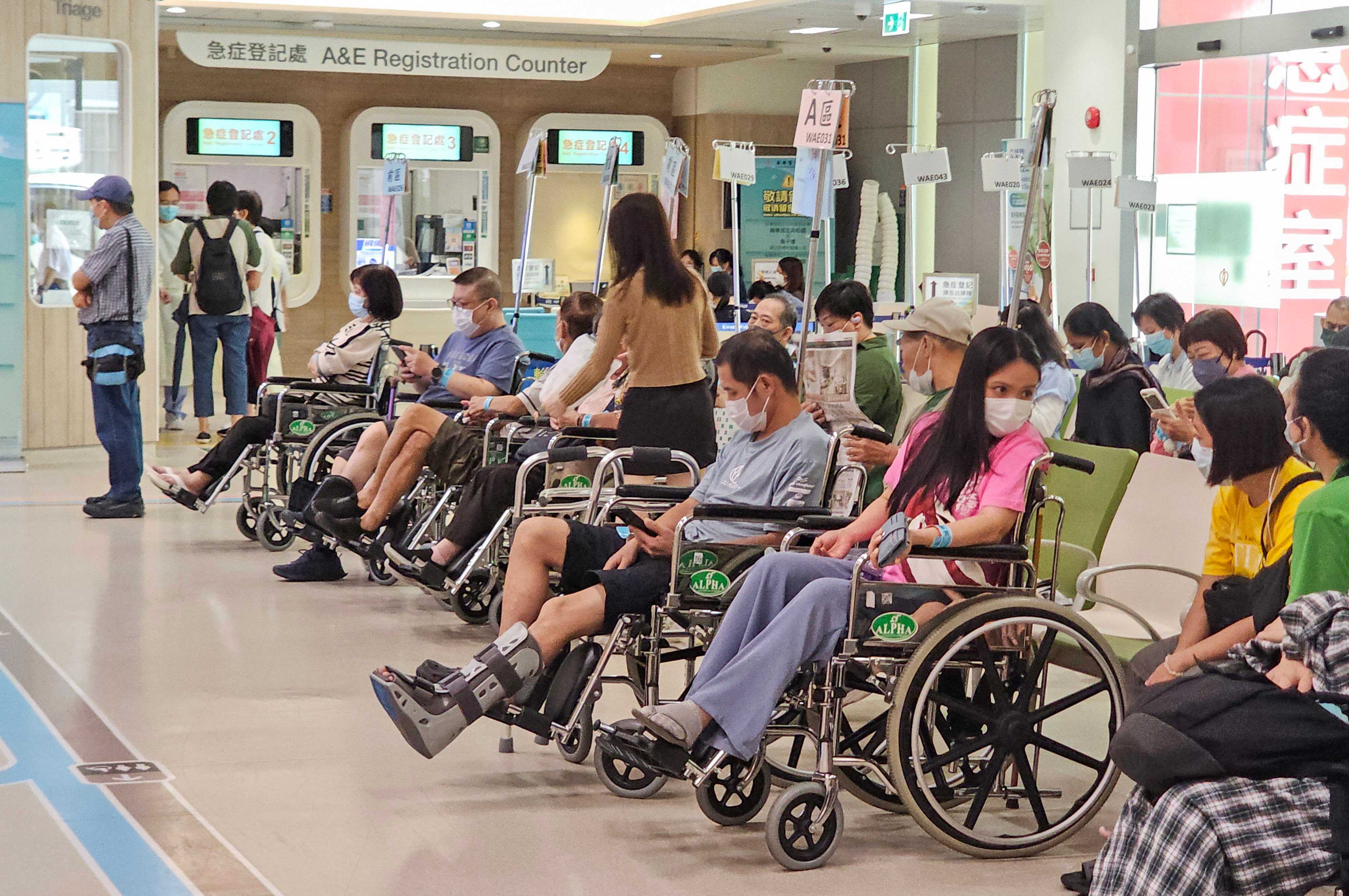
Hong Kong has long relied on a combined public-private model for hospitals and clinics to care for its sick and elderly residents.
Last year, the city invested HK$251.2 billion, or 8.3 per cent of its gross domestic product, into its health budget. Public funds accounted for 51.8 per cent of that spending.
The city’s government subsidises 97.6 per cent of the public healthcare system and runs 43 hospitals.
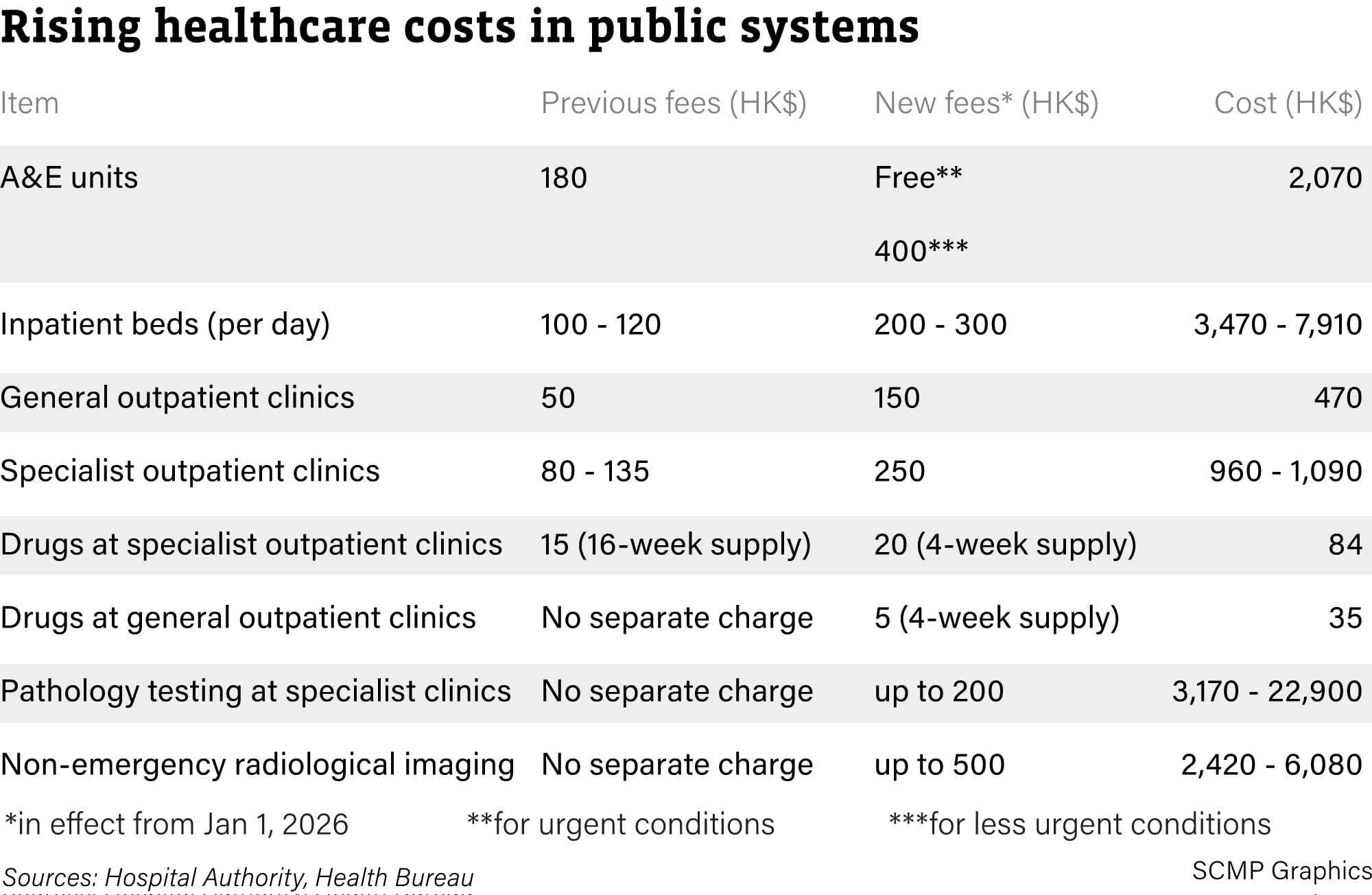
But the government aims to slash the subsidy rate to 90 per cent by 2030, following an overhaul of payment systems on January 1 this year. The cost of visiting a general outpatient clinic also tripled from HK$50 to HK$150, in addition to other changes.
Officials cited structural challenges, such as an ageing population, as the reason for the policy shift, but vowed to protect vulnerable groups by capping annual spending at HK$10,000 per patient.
Authorities also expanded the number of subsidised patients by relaxing income and asset thresholds.
“The reform will help to ensure that limited healthcare resources are directed to those patients most in need,” Secretary for Health Lo Chung-mau said.
According to the 2026 MMB Health Trends global survey, experts predicted that medical inflation in Hong Kong would hit 10.5 per cent this year – more than six times higher than the general inflation rate, which was 1.7 per cent in April.
Researchers said the main drivers of this trend were medical innovations, increased demand from ageing demographics and conditions such as cancers affecting more young people.
Professor Peter Yuen Pok-man is the dean of Polytechnic University’s College of Professional and Continuing Education. He said that one way Hongkongers were tackling rising medical bills was by choosing private insurance.
Yuen cited a study that he published in April, noting that medical claims in the city had risen by more than 60 per cent between 2019 and 2023. The uptick was largely driven by a surge in inpatient bills and elective procedures, Yuen said.
“This growth trend seems to be driven not just by natural changes in the population’s health status, but more likely by a shift in citizen behaviour, such as an increased willingness to undergo preventive screenings or elective treatments,” Yuen said.
Official figures showed that since the introduction of the Voluntary Health Insurance Scheme, which offers annual tax deductions of up to HK$8,000, the number of certified policies had increased to 1.34 million as of March 31, 2024.
Staff writers
Question prompts
1. Which of the following statements is false, according to the information in News?
(1) Public funds covered around half of the government’s health budget in 2025. (2) Hong Kong’s ageing population was not a driver of payment system reform. (3) New technologies and healthcare innovations are the only causes of medical inflation in Hong Kong. (4) More Hongkongers are buying health insurance to avoid the pressure of medical inflation.
A. (1), (2) only
B. (1), (3) only
C. (2), (3) only
D. (3), (4) only
2. According to Yuen, what are many Hongkongers doing to cope with rising medical inflation, and why?
3. What has the government done to try to make public healthcare more accessible after its recent changes? Will this be effective in helping vulnerable groups? Explain using News, Glossary and your own knowledge.
Chart
Question prompts
1. Using the chart, note TWO changes the government has made in regards to its public healthcare services.
2. According to News and the chart, why is the government pushing to reform the public healthcare system? What problems could this reform create?
Issue: Elderly Hongkongers head to the mainland for healthcare services
-
Medication is often cheaper across the border
-
Some Hong Kong public schemes have expanded to cover services in the Greater Bay Area
With healthcare costs continuing to rise in Hong Kong, many residents are now going to the Greater Bay Area to save money on medication and medical procedures.
According to Clement Chan Wai-kit, the chairman of the Cancer Patient Alliance, a local NGO, Hong Kong patient groups are organising regular weekly trips to reputable medical institutions in the bay area to help residents familiarise themselves with the mainland system and access treatment.
Chan said prices on the mainland were better for cancer patients needing expensive and innovative treatments – such as targeted therapy – thanks to a tough enlistment regime and bulk purchasing power. He estimated that prices could be a third or a quarter of medical fees back home.
Raymond Li, a 65-year-old lung cancer survivor, said he received his targeted therapy drug in Hong Kong for HK$36,000 a month.
The cost of treatments had since been reduced to HK$9,000 per month due to the drug maker’s assistance programme, but the price of the same drug at the University of Hong Kong-Shenzhen Hospital was even lower, at HK$5,000, Li noted.
“For someone like me who has lost the ability to work due to cancer, the prices mean the difference between unaffordable and affordable,” he said.
“The drug used to be so expensive that I even thought about not taking it because for such a large amount, there was no way I could even borrow and pay it back.”
Li said many Hong Kong patients get a diagnosis from a trusted practitioner in the city first before heading to the bay area for cheaper prescriptions.
The process sometimes required an extra examination and diagnosis by mainland doctors but would still be less expensive overall than getting the medication in Hong Kong, he said.
The expansion of the Elderly Health Care Voucher scheme has also affected where Hongkongers receive medical services.
Chan noted that since the scheme’s expansion last year to cover 21 service points across nine bay area cities, such as Guangzhou and Shenzhen, many residents had travelled north for services such as dental care.
The policy even prompted the Hong Kong Dental Association to publicly complain about a decline in customer numbers amid intense price competition.
Care home operator Grace Li Fai, who chairs the Elderly Services Association in Hong Kong, said cross-border medical tourism had also affected long-term care services.
She noted that lower prices, combined with the separate Residential Care Services Scheme in Guangdong, had resulted in about 1,100 Hongkongers choosing to stay at bay area care homes for the elderly as of earlier this year, up from 220 in 2022.
Staff writers
Question prompts
1. According to Issue, what have some Hong Kong patient groups done to facilitate medical tourism in the Greater Bay Area?
2. How does the case of Raymond Li show why more Hongkongers are going to the mainland for healthcare? How can access to affordable healthcare affect the choices patients make?
3. What are some possible long-term impacts of Hongkongers heading to the mainland for healthcare? Explain using News, Issue, Glossary and your own knowledge.
Chart 2
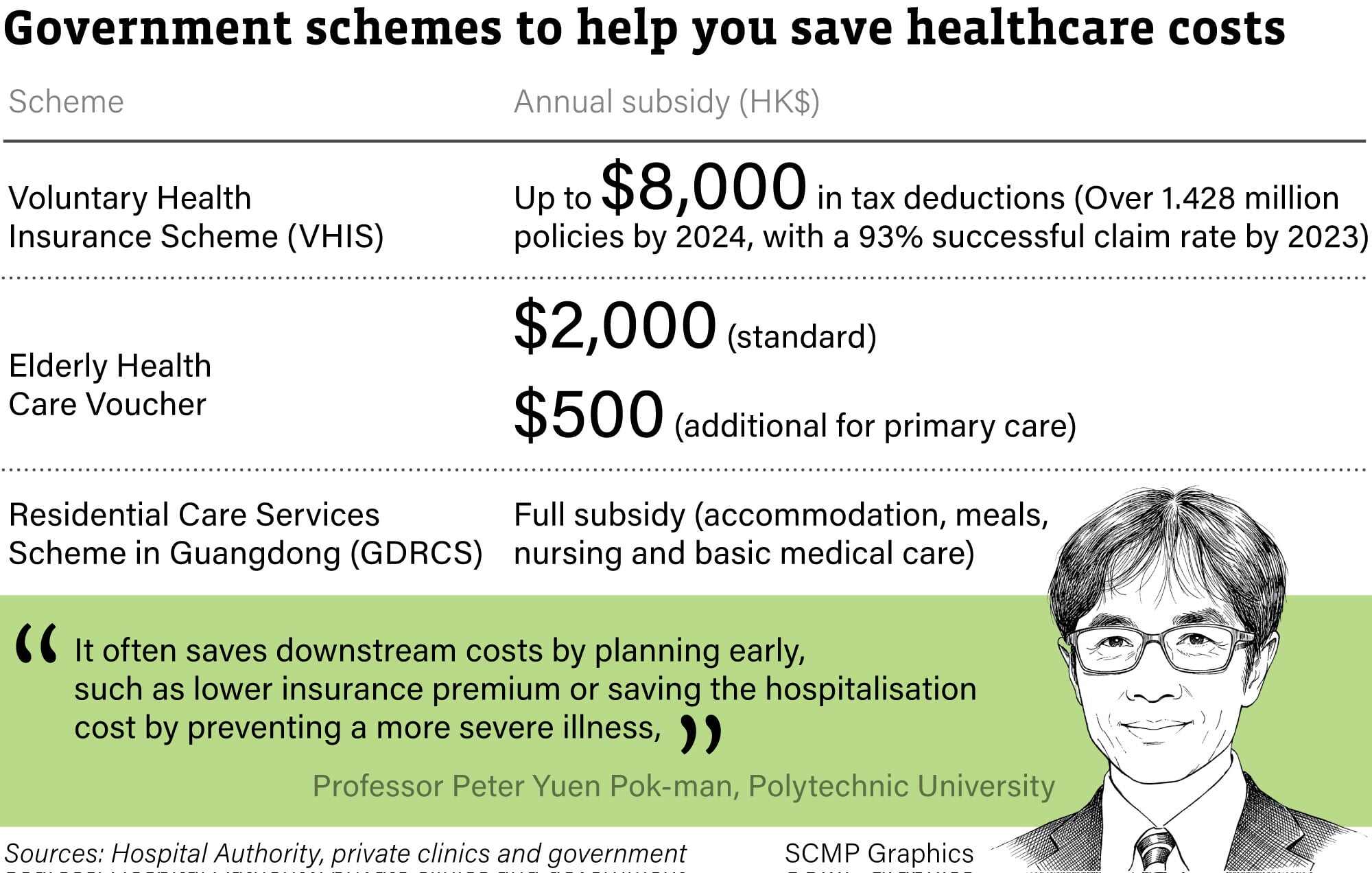
1. Which of these schemes is accessible to all Hongkongers, regardless of age?
2. To what extent do you think these schemes are enough to alleviate the financial burden of medical care for Hongkongers? Explain using News, Issue and your own knowledge.
Glossary
medical inflation: refers to the rising cost of medical goods and services, pharmaceuticals and health insurance over time
private insurance: coverage to pay for some or all of a person’s medical care, provided by an employer or purchased directly from a private company
inpatient bills: the total cost of a hospital stay, including the room, nursing care, doctor fees, medication and medical tests. In Hong Kong, these costs differ depending on whether a patient is admitted to a public hospital managed by the Hospital Authority or a private hospital.
elective procedures: medical, surgical, or diagnostic interventions that are planned in advance rather than performed as an emergency
targeted therapy: a precision cancer treatment that uses drugs or other substances to identify and attack specific proteins, genes, or tissue environments that contribute to cancer growth
Residential Care Services Scheme in Guangdong: a programme that covers accommodation, meals and care services for elderly Hongkongers who stay in one of the 26 partnered homes in the Greater Bay Area
Sample answers
News
1. C
2. According to Yuen, many Hong Kong patients are opting for private insurance to cope with medical inflation, meaning it can help them pay for private medical care if needed.
3. Despite the rising costs of overnight patient care, the government has said it aims to protect vulnerable groups by capping annual spending at HK$10,000 per patient and expanding the number of subsidised patients by relaxing income and asset thresholds. However, I don’t think these measures will be effective, as some of the qualifications may be too restrictive. For instance, those in income groups such as the middle class may not qualify for these subsidies, so the financial pressure from medical expenses remains. (accept all reasonable answers)
Chart 1
1. One change the government has made to public healthcare services is making the A&E units a two-tiered system, separating patients with urgent conditions and less urgent ones. Urgent cases are now completely free, while the cost for less-urgent ones will rise from HK$180 to HK$400. Another change is that the government has added fees to services that used to be free, such as medication at general outpatient clinics and pathology testing at specialist clinics. (accept all reasonable answers)
2. Hong Kong’s healthcare system reform reflects a systemic push towards reducing waste and resource abuse while ensuring the government still covers the vast majority of the actual service delivery costs. This reform has the potential to create a few problems. First, it might increase pressure on middle-income groups who are not eligible for healthcare subsidies. Second, the reform might also increase pressure on general outpatient clinics and lead to overcrowding, as fewer people might opt for public healthcare facilities. Third, there is the potential for inflation across the overall healthcare system, as private clinics and hospitals might also increase their prices. (accept all reasonable answers)
Issue
1. To facilitate medical tourism in the Greater Bay Area, some Hong Kong patient groups organise regular weekly trips to reputable medical institutions in the area to help residents familiarise themselves with the mainland system and access treatment.
2. The case of Raymond Li reflects the reality that many local patients face; he has lost the ability to work due to illness, making him unable to afford the high costs for medical care in Hong Kong. So, he got a diagnosis from a trusted practitioner in Hong Kong before heading to the bay area for cheaper prescriptions. The case suggests that the affordability of healthcare services may affect whether a patient can receive treatment for their illness. For instance, Li mentioned that he thought about not taking the medication he needed because he did not have the money and could not borrow and pay back such a large amount. (accept all reasonable answers)
3. With more Hongkongers heading to the mainland for healthcare, there might be some potential for long-term problems like fragmented health records or downsizing of healthcare centres with lower market demand. First, Hong Kong and mainland China operate separate digital medical systems, which cannot automatically sync patients’ data. Hongkongers may need to carry manual records of their medical reports or take multiple diagnostic tests due to differing medical practices across the border. Second, healthcare facilities in Hong Kong may face downsizing if local demographics shift to the mainland. This could negatively affect people who are unable to travel to the Greater Bay Area for medical services. (accept all reasonable answers)
Chart 2
1. Among these three schemes, only the Voluntary Health Insurance Scheme is accessible to all Hongkongers regardless of age.
2. These government schemes are not enough to alleviate the financial burden of medical care for Hongkongers. Among these schemes, two target the elderly, and only one is for all age groups. The Voluntary Health Insurance Scheme only allows up to HK$8,000 in tax deductions per insured person each year. Yet, for cancer patients like Raymond Li, the scheme’s annual coverage would be far from sufficient to cover their medical expenses. It also cannot make medical care more affordable for the general public. (accept all reasonable answers)