Asian AngleBangladesh needs ‘structural’ change, but how will it get there?
As Bangladesh heads into elections next year, it must tread the challenge of political transition with more care and thoughtfulness

The brutality of an autocratic regime which tolerated little dissent gravely undermined its legitimacy. Its relentless kleptocracy exposed a capacity for private greed and theft that had no limits, turning it into a criminal state. The surrender of a proud nation’s sovereignty to a giant neighbour for its guarantee of an illicit political status quo ultimately proved untenable.
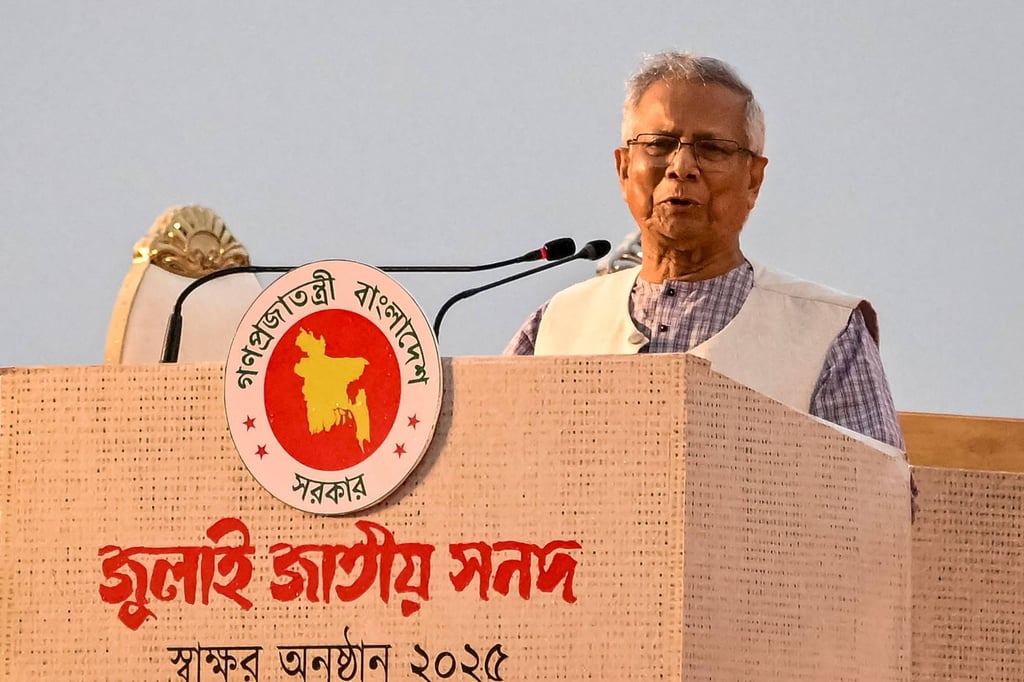
The historical predicament of Bangladesh stemmed from the frailties of the leaders who came to rule the country. The political system had become too corrosive to permit a democratic and accountable form of governance. The judiciary had lost its independence; the functions of government were reduced to fiat by sycophancy; and a powerful-take-all system rendered course correction impossible without systemic change. The need for “structural” change that can protect the best interests of a nation even if the rulers cannot be trusted is easily appreciated. The crucial question, however, is how does one get there?
Convening a Constituent Assembly where the voices of ordinary citizens could be heard to shape a future structure of democratic governance could have provided a logical path. Instead, a series of elite Reform Commissions, a set of bourgeois vanguard chosen without transparency, working in back rooms, became the vehicles for proposing the systemic changes deemed necessary for Bangladesh.