Advertisement
Asian AngleMalaysia’s Chinese retain deep-rooted sense of national belonging despite pride in China’s rise
- The local Chinese community has forged a cultural identity with traits that are distinctly Malaysian, even as re-Sinicisation becomes a contentious issue
4-MIN READ4-MIN
6

China’s rise has rekindled civilisational pride among some overseas Chinese communities, including those in Malaysia. However, Malaysian Chinese have also forged a distinctive localised cultural identity, intertwined with an unmistakable sense of national belonging as Malaysians.
Beijing has long recognised overseas Chinese as an essential bridge linking China to the outside world. In recent years, the Overseas Chinese Affairs Office of the State Council has intensified its efforts to strengthen ties with the Chinese diaspora. Some within the Southeast Asian Chinese community have emerged as intermediaries facilitating connections between China and the international community, especially in trade and commerce. More broadly, Beijing’s outreach efforts, like the recently launched Global Civilisation Initiative, have sparked a resurgence of cultural connections. Platforms such as CCTV, WeChat and TikTok serve as channels through which overseas Chinese are rekindling their fascination with China’s history and traditions.
In Malaysia, the Chinese community, especially among the English-educated, is undergoing a phenomenon some refer to as re-Sinicisation. This is broadly defined as a renewed interest and enthusiasm for embracing their Chinese cultural roots. Mandarin, for example, is gradually replacing English as the predominant working language within the Malaysian Chinese community, alongside Malay, the national language.
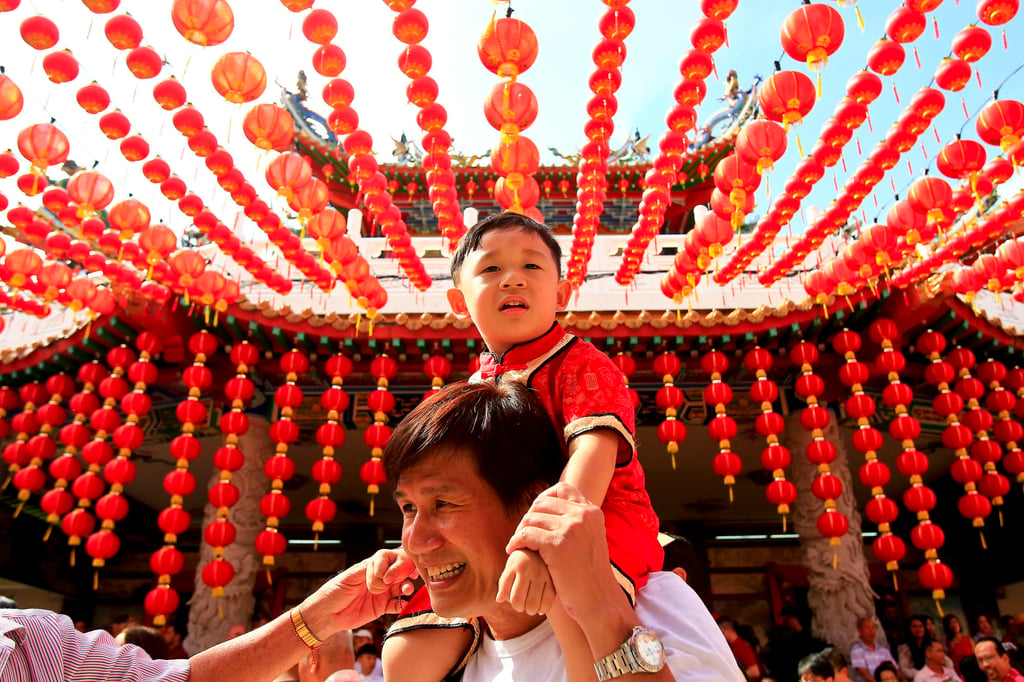
The re-Sinicisation process has emerged as a contentious issue, particularly concerning the cultural identity of the Malaysian Chinese. Recently, former prime minister Mahathir Mohamad reignited the discourse by questioning the loyalty of the Chinese community, citing perceived hesitance on their part in fully embracing other cultures. The increasing influence of China adds another layer of complexity to this issue.
Nonetheless, the crisis of Chinese cultural identity in Malaysia is intricately linked to the nation’s complicated experiment with multiculturalism. Unlike countries such as Indonesia, Malaysia chose accommodation over assimilation in dealing with its minority population. Chinese in Malaysia, for instance, are allowed to retain their Chinese names, whereas in Indonesia, they are required to adopt Indonesian names. This policy has proved to be a double-edged sword. The celebration of diversity is done at the expense of the country’s aspiration for unity. This has led to a lack of a unified Malaysian cultural identity.
Select Voice
Select Speed
1x
AI-generated voice