South Korean scientists solve 250-year-old dementia-linked brain mystery
The breakthrough offers hope for new Alzheimer’s treatments – and provides a scientific basis for the benefits of facial massage

The breakthrough, published this month in journal Cell, solved a puzzle that has stumped scientists since lymphatic vessels around the brain were first discovered roughly 250 years ago: how does our body clear away the waste?
An international team led by Dr Koh Gou-young, a scientist at the Centre for Vascular Research within South Korea’s Institute for Basic Science, identified tiny openings in the tough membrane protecting the brain – dubbed arachnoid fenestrations – through which fluid drains into vessels around the nose and eyes before reaching lymph nodes in the neck.
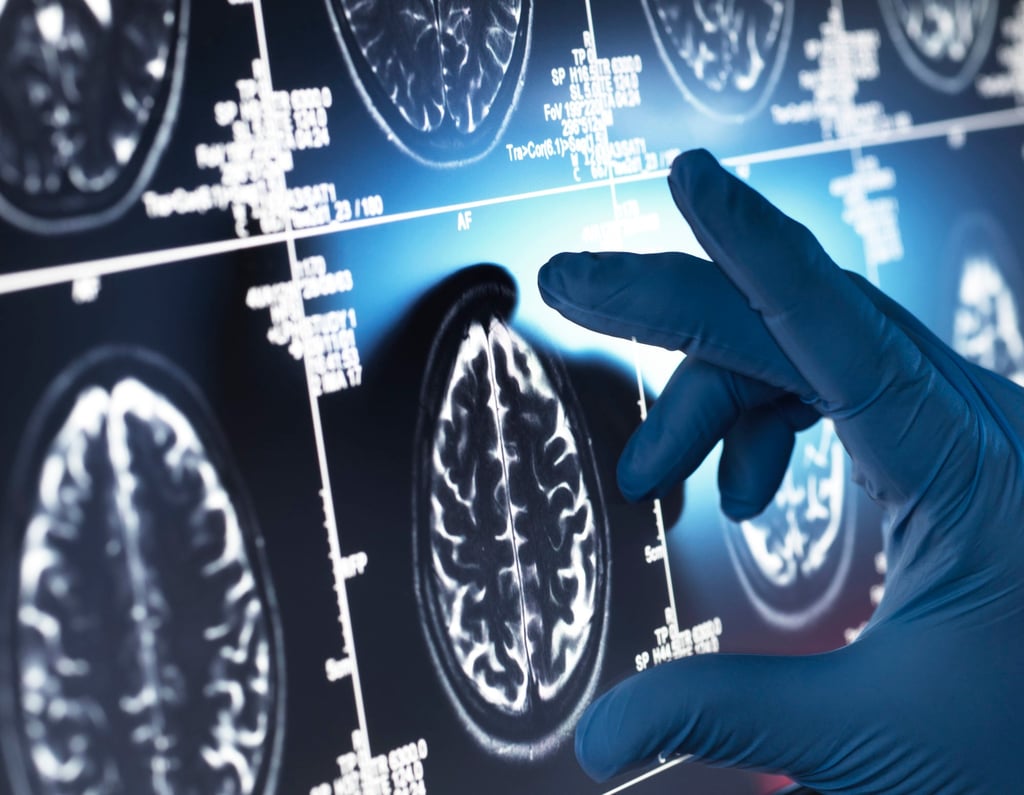
The human brain constantly produces metabolic waste, which needs to be cleared away by cerebrospinal fluid: the clear, watery liquid that acts as a natural shock absorber and nutrient bath for the brain and spinal cord.
When this system slows down, toxic proteins such as amyloid beta – a hallmark of Alzheimer’s disease – can build up, raising the risk of dementia and other neurodegenerative disorders.