Advertisement
Tibetans to Sri Lankans, India welcomed all. Why not Rohingya Muslims?
Both China and India may be soft-pedalling Myanmar’s genocide out of geopolitical interests. But that doesn’t explain Delhi’s selective rejection of the region’s most vulnerable refugees
13-MIN READ13-MIN

The blank stare of Mohammad Hussain speaks of a thousand persecutions.
One afternoon in late September, when the 51-year-old Rohingya imam was visiting an adjoining village in his native Maungdaw district of Myanmar’s Rakhine state, he heard soldiers were heading to his village. He knew right away it was futile to go back to save his family. It was all up to Allah now. Ever since a militant Rohingya group attacked border security posts the previous month, the Myanmese military had hit back with a ruthless “clearance operation”, laying to waste hundreds of Rohingya villages.
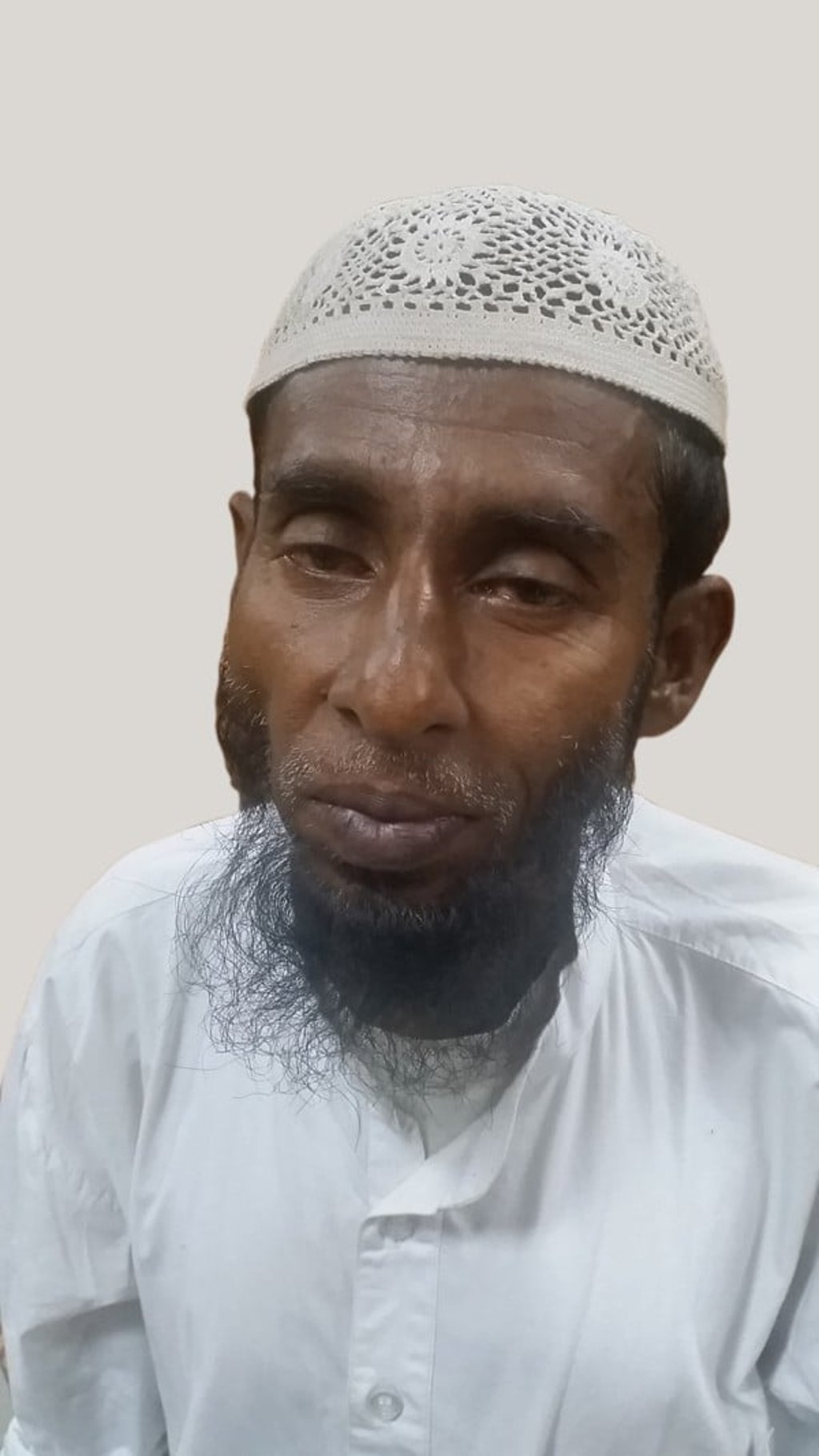
Hussain later learnt that two of his seven sons survived the carnage that night. There’s no news of his other sons, his two daughters, or his wife and sister. In what the United Nations is calling a “textbook example of ethnic cleansing” by Myanmar troops, human rights investigators are reporting massacres on a scale not seen since the Rwandan and Bosnian genocides of the 1990s.
Select Voice
Select Speed
1x
AI-generated voice