China vs video games: why Beijing stopped short of a gaming ban, keeping Tencent and NetEase growing amid crackdown
- Since a deadly internet cafe arson incident in the early 2000s, video games have been regarded as yet another “spiritual opium” imported from the West
- Despite console bans, censorship, and continued restrictions for minors, China’s video game industry has become enormously successful and influential
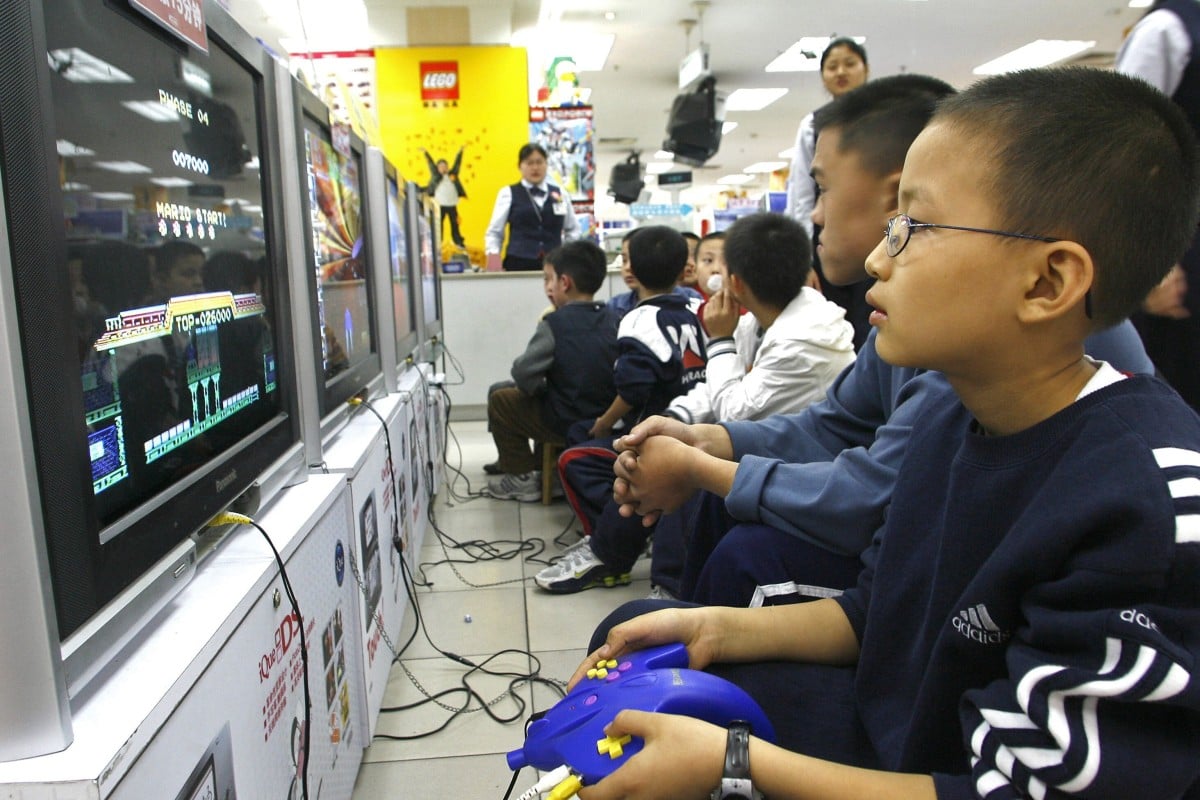
Video games have simply become more important to China’s economy, despite long-standing hostility from Beijing regulators. Some of that antagonism was in response to distrust from parents in the early 2000s, but there is also a more deep-seated wariness of the medium.
Here is a look at where that hostility comes from, how it led to China’s current video gaming restrictions, and what it means for the industry going forward in the world’s second-largest economy.
What does China have against video games?
The Chinese government’s antipathy towards video games goes back to that term used by state media in August: spiritual opium.
The term has a long history in China, and has traditionally been used when railing against foreign cultural products. In 1961, Communist Party mouthpiece People’s Daily published an article referring to American books and films as spiritual opium, calling it “ideological poisoning” worse than literal drugs.