How Hong Kong’s schools are embracing AI for Gen Alpha’s mental health
Digital ‘third spaces’ are being tested to make mental health support feel more accessible for Gen Alpha – but what can and cannot be replaced by tech?

Across Hong Kong, educators and researchers are experimenting with what some describe as ‘third spaces’ for mental health – environments that sit somewhere between formal face-to-face counselling and anonymous helplines. In these spaces, young people may interact through avatars, create digital artwork, write AI-assisted journals or talk to virtual companions before ever speaking with a human counsellor.
Projects such as Mindverse, a metaverse-based counselling platform developed at Hong Kong Polytechnic University (PolyU), and EmoCare AI, an emotional reflection tool for schools designed by EdUHK, are testing whether technology can lower barriers to help-seeking among Gen Alpha students.
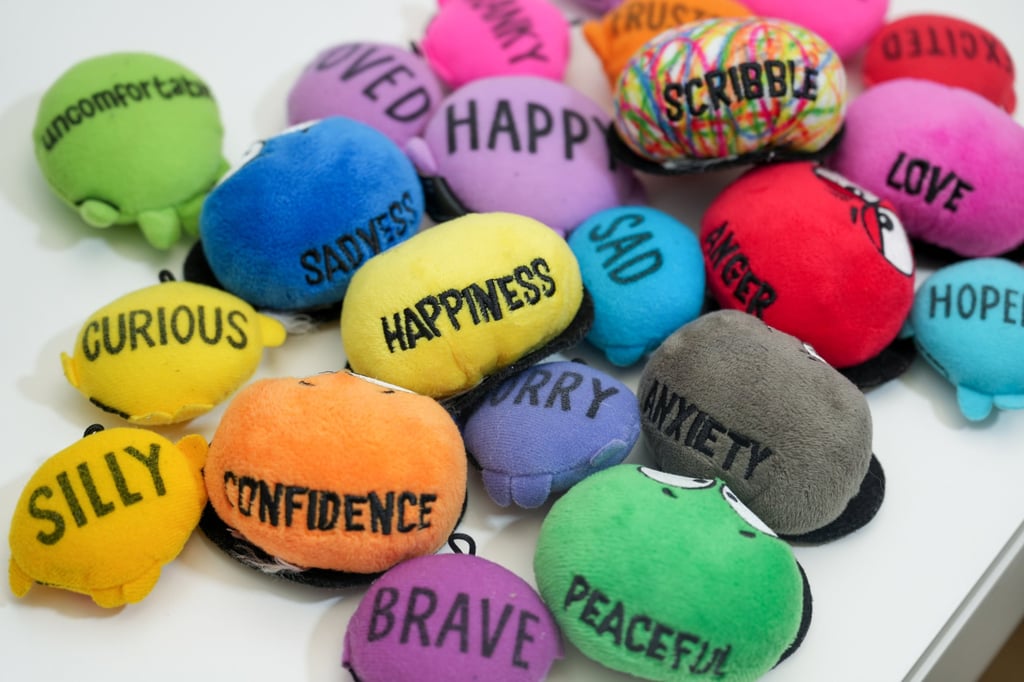
Their emergence also raises a larger question: as AI becomes increasingly woven into young people’s emotional lives, is technology reshaping how the next generation defines – and seeks – personal support?
For Professor Song Yanjie from the Education University of Hong Kong (EdUHK), the shift is hardly surprising. “Many young people today are already accustomed to expressing themselves in online spaces, whether through social media, gaming platforms or other digital communities,” she says. With the rapid adoption of digital tools, she adds, “AI-mediated conversation feels familiar and low-stakes”.