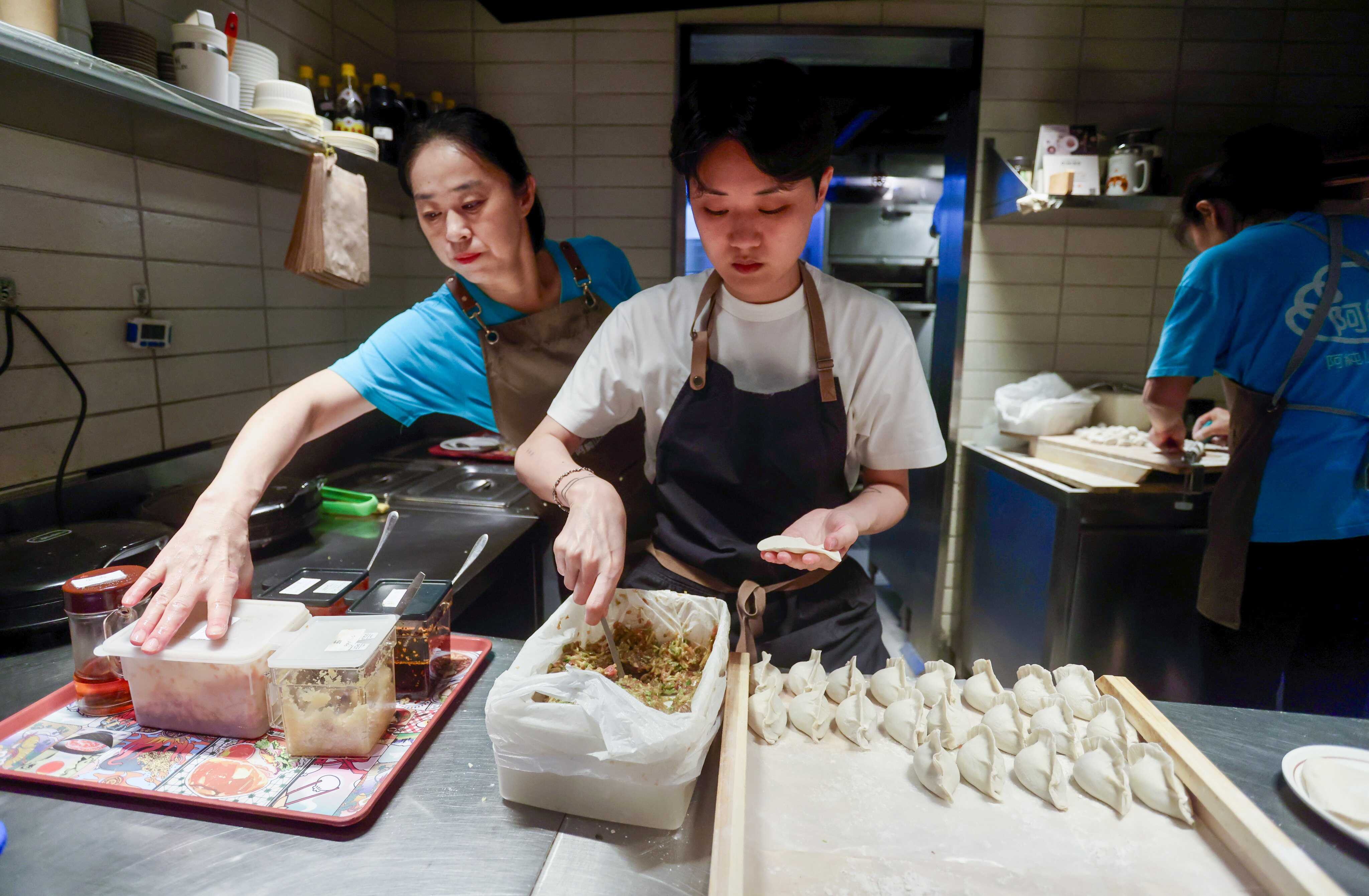
In the morning, Mel Ng rolled out dumpling wrappers and mixed the next day’s fillings before surviving the lunch rush at Ah Chun Shandong Dumpling.
The restaurant has been in Hong Kong for about 30 years. Ng was spending the day learning everything she could from their kitchen. This is called “staging”, when a cook takes a temporary unpaid shift in a restaurant to learn its techniques.
Ng, who comes from a background in French cuisine, has staged at more than 20 restaurants since last year.
“They’ve all been very interesting to me because I’ve tried out many different kitchens, like Indian cuisine [and] Japanese ... things that I never would have tried before,” said the 36-year-old, who also works as a consultant in the food and beverage industry.
“But I think the ones that I enjoy the most are the ones that are related more to Hong Kong local heritage, just because these are the things I grew up eating.”
Ng calls herself a “culinary wanderer”. Having staged in restaurants across Asia, she considers traditional Chinese cuisine her toughest challenge mainly because these cooks rely on feeling, rather than written recipes.
“A lot of the techniques were ... new to me. Working in a Cantonese kitchen meant using a wok, which I’d never done before,” she said. “But I always step into the kitchen with an open mind.”
Why is it important to “wander” as a cook?
“Experience is the best teacher. And chefs will respect your work ethic more than whatever diploma you hold,” Ng explained.
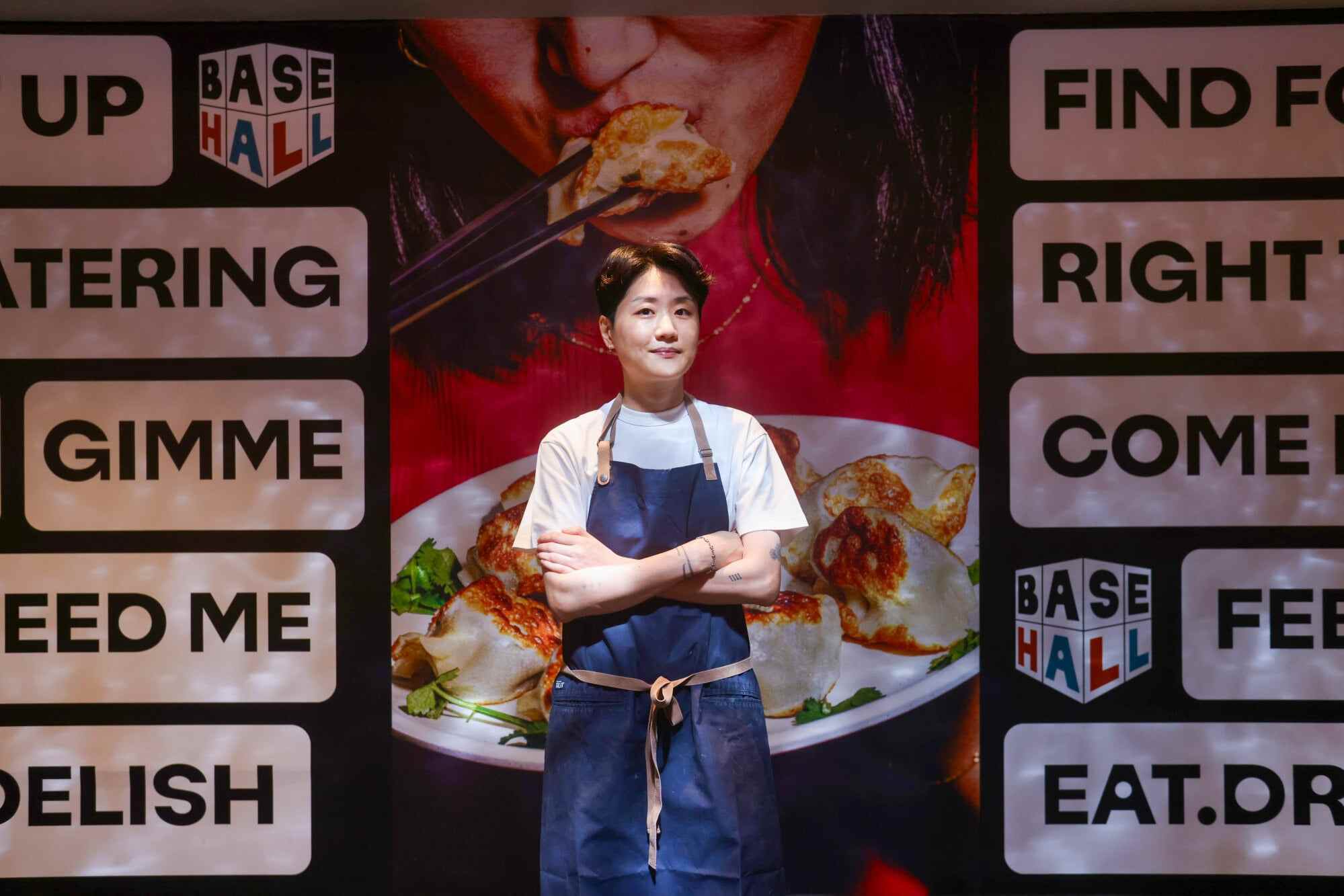
How she became a chef
Ng grew up in Hong Kong before studying business at Northeastern University in the United States. After trying jobs in finance, accounting and insurance, she realised these industries were not exciting to her, and she wanted to find another path.
“In college, I started cooking a lot for my roommate [and] for my friends,” she said.
These casual meals eventually transformed into a dream to become a chef, and she started culinary school at the International Culinary Centre in New York.
The programme had six levels. By level three, students experienced what it is like to repeatedly cook the same dish in a restaurant.
“That’s when things started getting a bit more tough physically,” she said. Ng added that she had to pass written and practical exams to move to the next level.
While Ng took the traditional route of culinary school, she encouraged aspiring chefs to learn on the ground.
“There are a lot of new techniques that you can learn from actual kitchen experience,” she said.
Helping restaurants grow
For many older Hong Kong eateries, Ng noticed that they struggled to find staff, and it was even harder to find young people who want to learn the craft.
“Since Covid, we’ve seen a lot of restaurant closures. Even heritage brands that have been around for 20 [or] 30 years closed down,” she said.
While staging in different restaurants, she uses her business skills to help struggling eateries survive. She also posts videos of her staging on Instagram to show Hong Kong’s rich culinary tradition to more people.
No matter what she is doing, Ng’s daily mindset is focused on “mise en place”, a French term meaning “everything in its place”.
“In the kitchen, it means having all your ingredients and tools ready before you start,” she said. “Whether I’m doing consulting work for a client or working a shift in the kitchen, I always have a plan in my head, thinking about the end goal and mapping out every step to get there.”