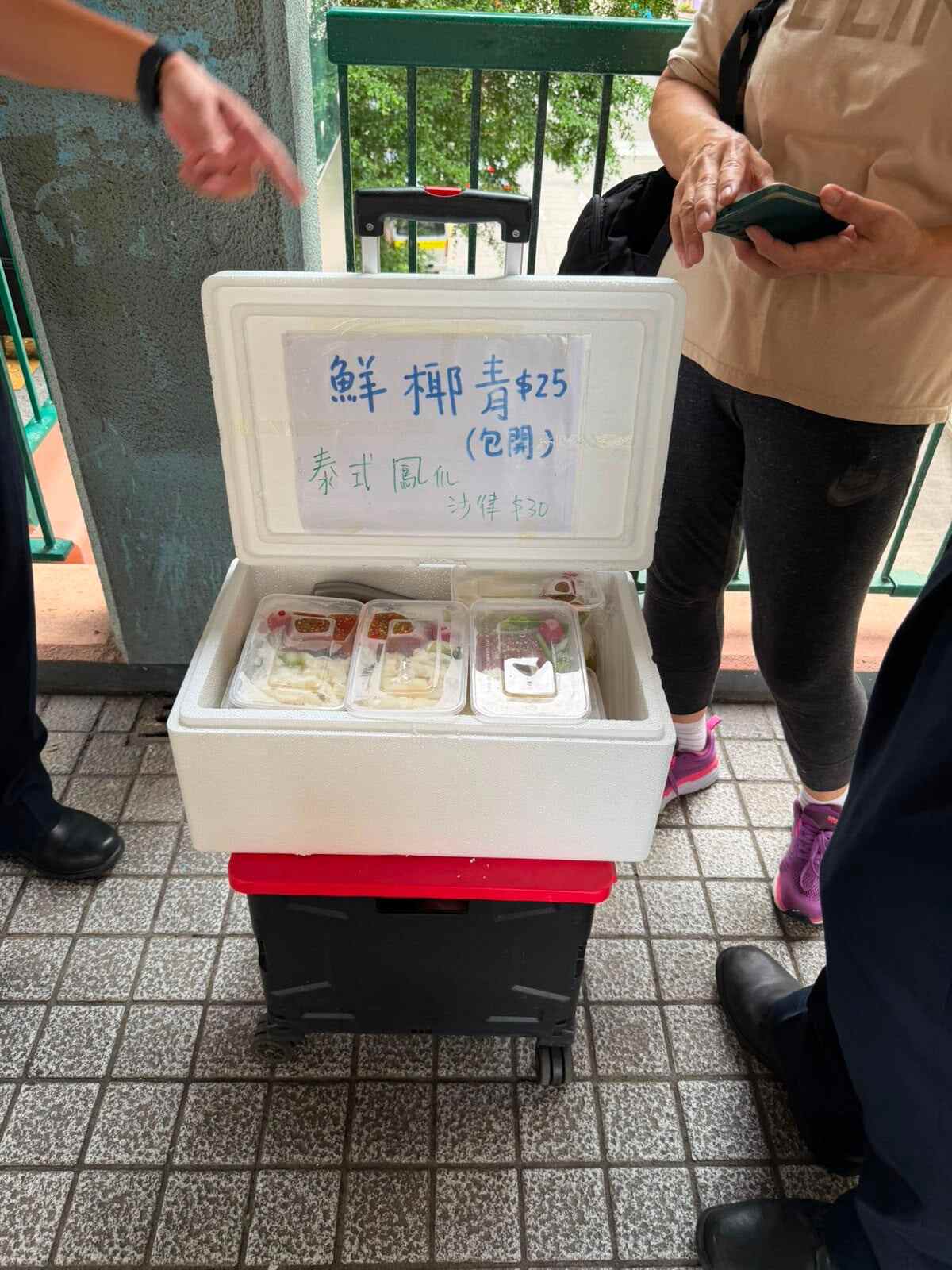
[1] Hong Kong’s hygiene authorities arrested 14 people in July. It was part of a crackdown on unlicensed hawkers. They took 600kg of food, some of which was expired. Food and Environmental Hygiene Department Chief Health Inspector Chan Sze-man is responsible for hawkers. She said the suspects were aged 38 to 76. They were arrested between July 17 and 28. All of the suspects held Hong Kong identity cards.
[2] Chan said the department is understanding of street sellers who do not have a licence. This is especially true if they are elderly or disabled. “But food safety is very important for public health. We cannot make exceptions,” she said. “We will never compromise.”
[3] Of the 14 arrested, 13 were also charged with obstructing public places. Two were also charged with selling restricted food without permission. The food officers took during the raids included cooked food, lunchboxes, bread, milk and expired items.
[4] Yuen Chiu-kit is a senior health inspector at Mong Kok District Environmental Hygiene Office. He said unlicensed hawkers were found at a footbridge on Tong Mi Road. Three people were arrested on suspicion of selling food from unknown sources. They were also charged with obstructing public places. Officers took about 83kg of food from unknown sources in Mong Kok.
[5] “Most of the food [taken] ... was cooked food from unknown sources,” Yuen said. He added that it was illegally sold in the open air. The sellers didn’t have proper refrigeration. They also didn’t have facilities to keep the food hot. “Food spoils easily and can breed bacteria in hot and humid weather. This kind of conduct seriously disregards public food safety and health.”
[6] Under the Public Health and Municipal Services Ordinance, only licensed hawkers are allowed to sell food. Offenders may face a maximum fine of HK$10,000 and six months’ imprisonment. Officers also learned that some residents had been collecting uncooked salmon from a food factory. In response, the department had provided information on proper hygiene. The factory later installed rubbish bins in appropriate locations. It began transferring waste directly to collection trucks. It also started using large rubbish bags to securely wrap up the waste.
Source: South China Morning Post, July 29