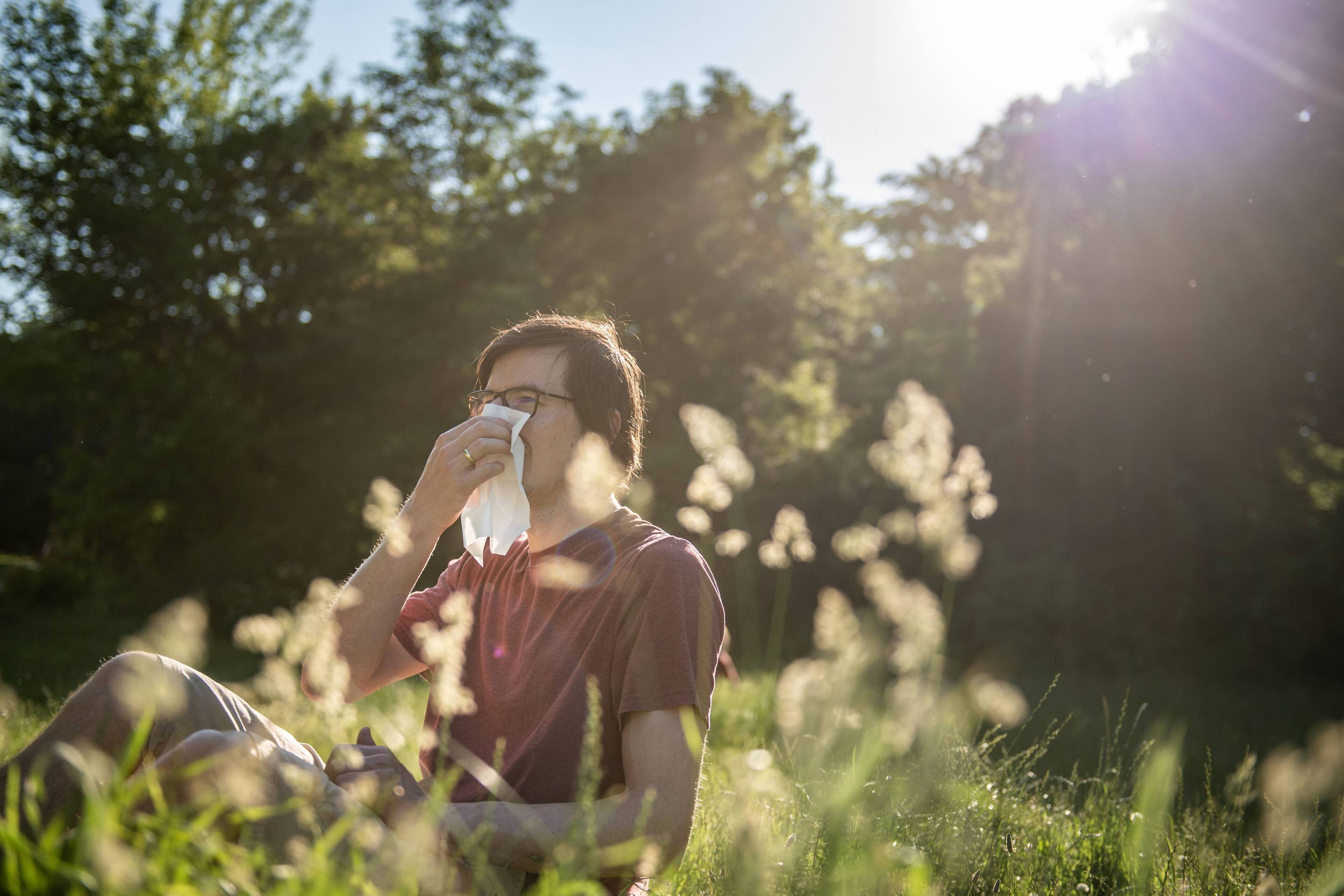
Allergy season can be miserable with runny noses, itchy eyes, coughing and sneezing. Experts say climate change is leading to longer and more intense allergy seasons. But they also note that treatments for seasonal allergies have become better over the last decade.
Pollen helps plants reproduce – and makes us miserable
Pollen is the powdery substance made by seed-producing plants and trees.
The best and first step to controlling allergies is avoiding exposure. Close the windows in your home.
If you go outside, wearing long sleeves can keep pollen off your skin, according to Dr James Baker. He is an allergist at the University of Michigan in the United States.
When you get home, change your clothes and shower to keep the pollen off you. If you can’t wash your hair every day, try covering it with a hat or scarf when you go outside.
Don’t get into bed with your outside clothes on, because the pollen will follow.
It’s also useful to rinse your eyes and nose with saline to remove any pollen. Surgical masks can protect you from allergies, though they won’t help with eye symptoms.
How to relieve allergy symptoms
Nasal sprays are effective for treating seasonal allergies.
Dr Kathleen May is an allergist at Augusta University in the US state of Georgia. She suggested angling the nozzle when it is inside your nostril outward towards your ear, rather than sticking it straight up your nose.
Over-the-counter allergy pills like Claritin, Allegra and Zyrtec are helpful. However, they may not be effective as quickly since they’re taken by mouth, experts said.
Your allergy symptoms could be affecting your life, causing you to lose sleep or focus at school. If this is the case, consider making an appointment with an allergist.
Some medications can train your immune system not to overreact to allergens.
Some remedies for allergy relief on social media have been proven wrong. One example of these fake solutions is eating local honey to expose yourself to pollen.
Winters are getting milder, and growing seasons are longer as the climate changes. It means there’s more opportunity for pollen to stay in the air. This results in longer and more severe allergy seasons.
Find out more
What are the symptoms of an allergic reaction to pollen?
Histamine is the main chemical responsible for most allergic reactions. When it is released, it triggers a series of responses aimed at getting rid of the suspected threat – in this case, pollen (see graphic).
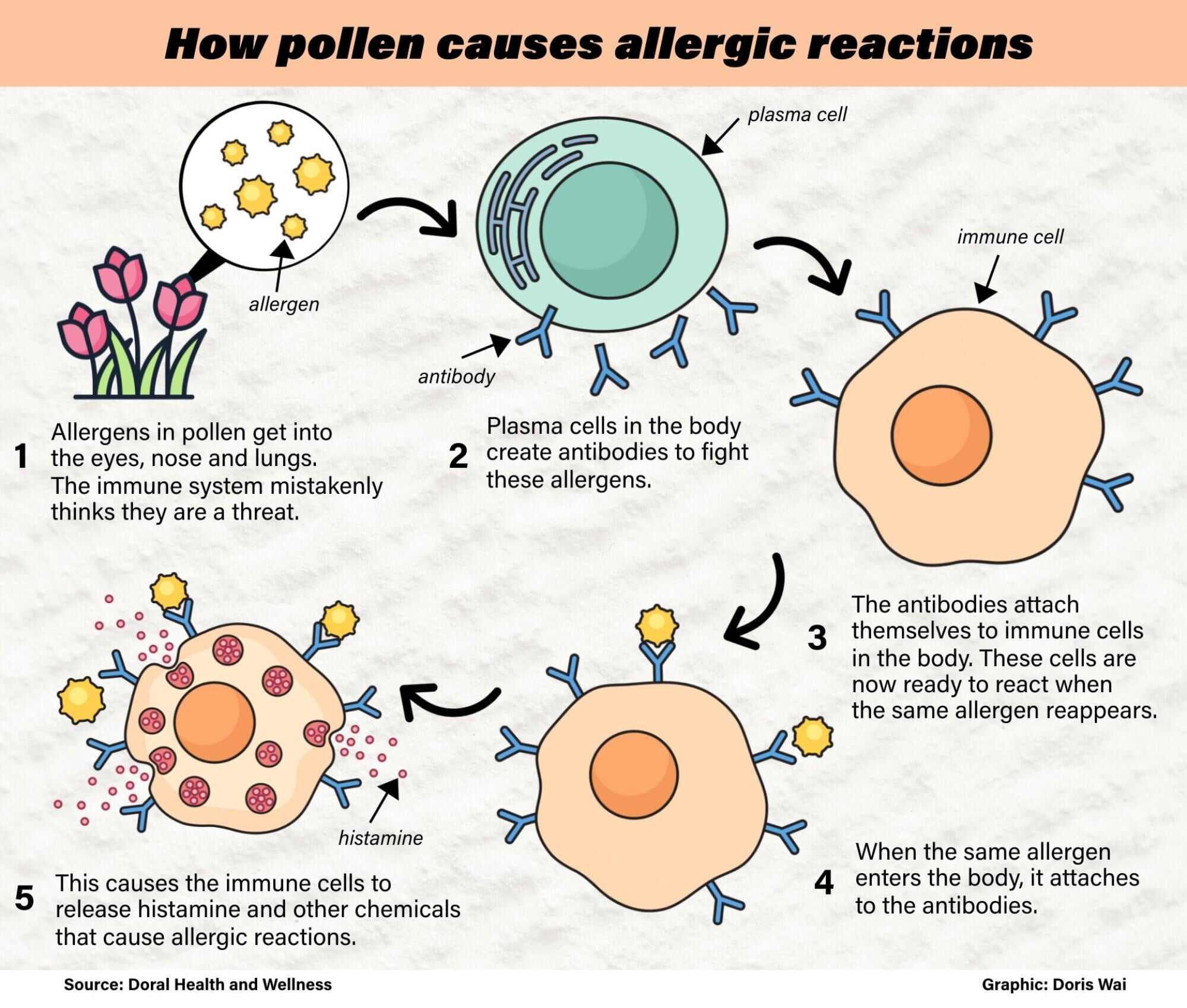
Histamine causes a runny nose and watery eyes. It also stimulates nerves to cause sneezing and itchiness. When the skin reacts to histamine, it can cause itchy, red and swollen bumps. It can also cause wheezing, coughing and trouble breathing.