Advertisement
How a run-down flat in Hong Kong’s infamous Chungking Mansions became a haven for ethnic minorities
Offering a comfortable space for the marginalised, repurposed flat the Diversity Hub has everything from hot food to language lessons
3-MIN READ3-MIN

For years, a flat sat empty on the top floor of Chungking Mansions, in Tsim Sha Tsui, slowly deteriorating with each passing rainstorm and typhoon. Chinese-American architect Juan Du remembers the first time she saw the place with her colleague Natasza Minasiewicz.
“It was mould-infested. There was water dripping into buckets all over the floor. There were electrical wires dangling,” says Du. “So I turned around to Natasza and said, ‘This is fantastic.’”
If that was an unusual reaction, it’s because Du and Minasiewicz have been working for years to convert vacant spaces in convenient locations into housing and community facilities for marginalised people.
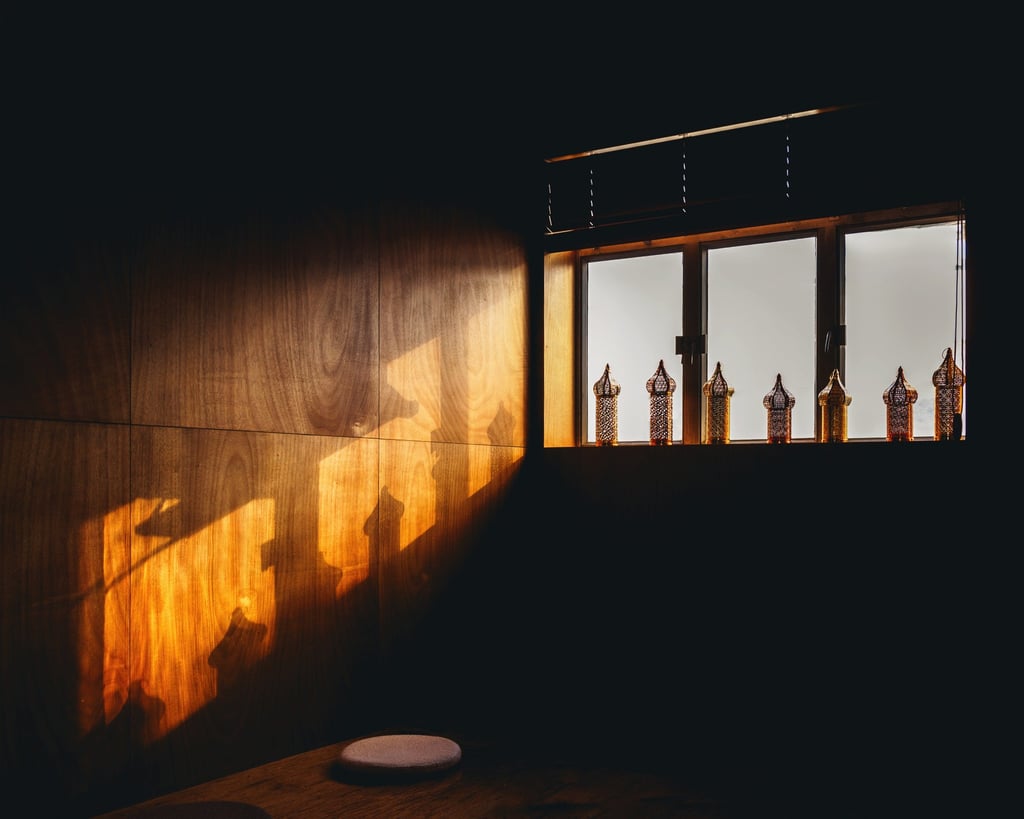
Today, the once-neglected, 550 sq ft, three-bedroom flat on the 17th floor of Chungking Mansions has been transformed into a multifunctional space run by Christian Action, a charity that has served the vulnerable in Hong Kong for nearly 40 years. Known as the Diversity Hub, it serves ethnic minorities and is adjacent to Christian Action Centre for Refugees, which offers humanitarian assistance, social services and a welcoming space for Hong Kong’s estimated 15,000 asylum seekers, mostly from South and Southeast Asia and Africa.
The centre’s ambition has long outstripped its physical space. Asylum seekers who find themselves in Chungking Mansions – a whirring hive of shops, guest houses and flats labelled by Chinese University anthropologist Gordon Mathews as “the ghetto at the centre of the world” – squeeze into the building’s tiny lifts to make their way up for everything from hot food to language lessons and music sessions inside a warren of small rooms spread between the top and penultimate levels.
Select Voice
Select Speed
1x
AI-generated voice