Nancy Kwan’s enduring legacy, six decades after the release of The World of Suzie Wong – interview
The Hong Kong-born actor left her home city to forge a path for Asian performers in Hollywood, navigating the accompanying xenophobia and sexism of the 1960s. PostMag talks to the Flower Drum Song star about life, loss and leading the way

To many, Nancy Kwan Ka-shen is the actress who rose to international stardom for her role in the 1960 film The World of Suzie Wong, based on the book of the same name, about a sex worker in Wan Chai who meets a wealthy American (played by William Holden). Kwan’s story, however, is far richer than any single role.
From breaking barriers for Asian actors in Hollywood and standing her ground in an industry that was rigid and often prejudiced, to founding her own ballet studio, producing films and television advertisements across Southeast Asia, and starring in more than 50 films spanning decades, she has lived a life of relentless creativity, resilience and grace.
Now 87, Kwan’s path to celebrity was as serendipitous as it was extraordinary. In August 1959, she stumbled upon a casting call for The World of Suzie Wong.
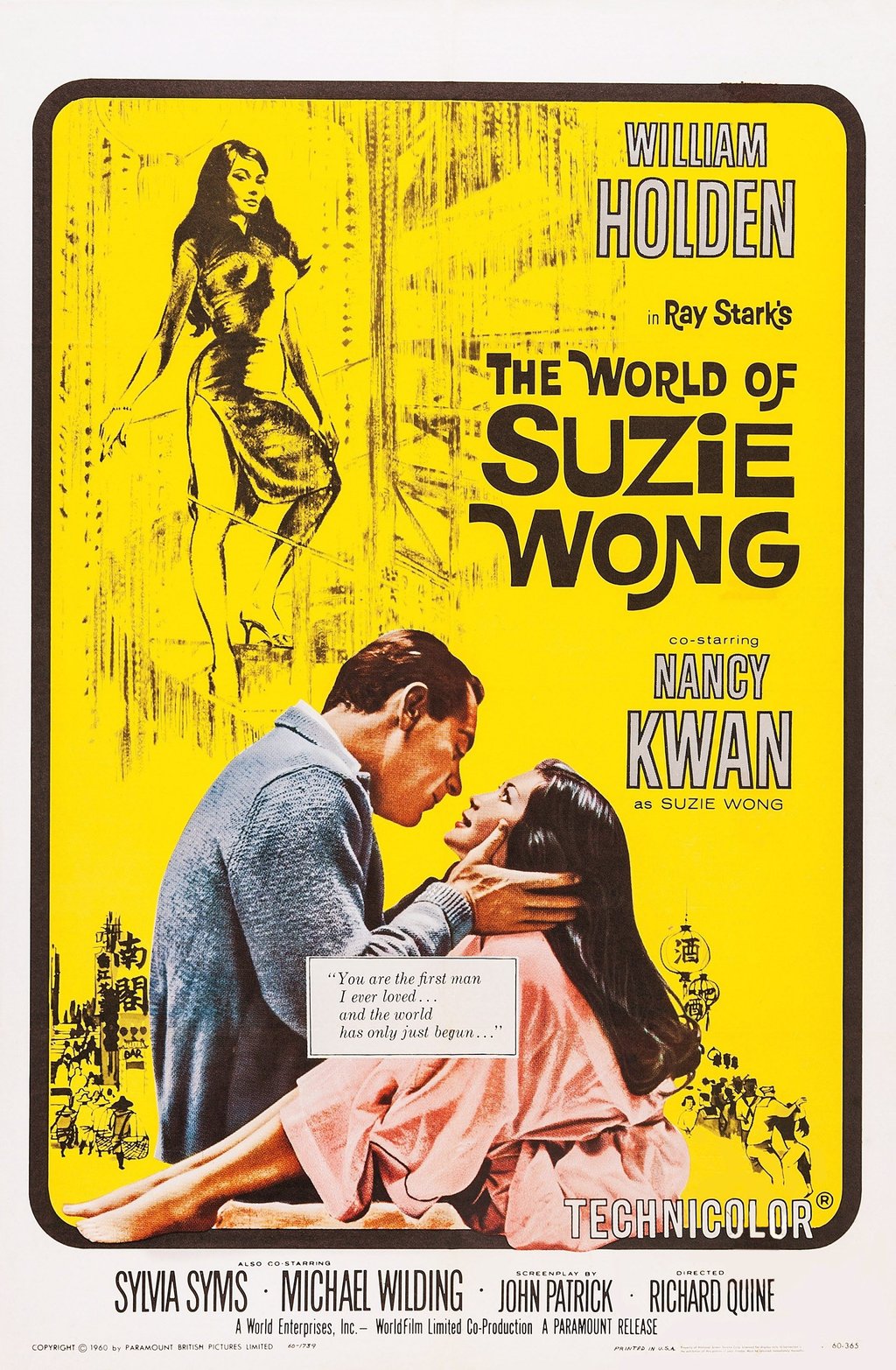
“I thought it was dreadful because all I did was giggle,” she tells me over a FaceTime call from her home in Los Angeles, in the United States. “I was really quite silly. I was surprised I got a job at all. But they seemed to like it, so I ended up in Hollywood doing more screen tests. Eventually, I got the role.”
Initially, France Nuyen had been cast, but when the French-American actress withdrew, Kwan’s ballet-trained poise and expressive presence made her the perfect replacement. The film catapulted her to global fame, subtly transforming Hollywood’s perception of Asian women at a time when “yellowface” – casting non-Asian actors in make-up to portray Asian characters – was still widespread.