Inside the evolution of travel photography in Hong Kong
What did tourists in Hong Kong choose to photograph in earlier times, and how have these subjects changed – or not – over the years?

Until the early 20th century, few tourists took their own photographs – or had the requisite skills and equipment to do so. Cameras were expensive, bulky and temperamental. Photographic negatives, whether metal or glass daguerreotype plates, were fragile. Eventual chemical processing and printing required technical skill.
In consequence, local photography shops typically produced and sold photograph albums that depicted popular Hong Kong views. From harbourfront and rural landscapes to city streets and then-popular local landmarks, such scenes depicted faraway sights most visitors would want to show the folks back home upon their return.
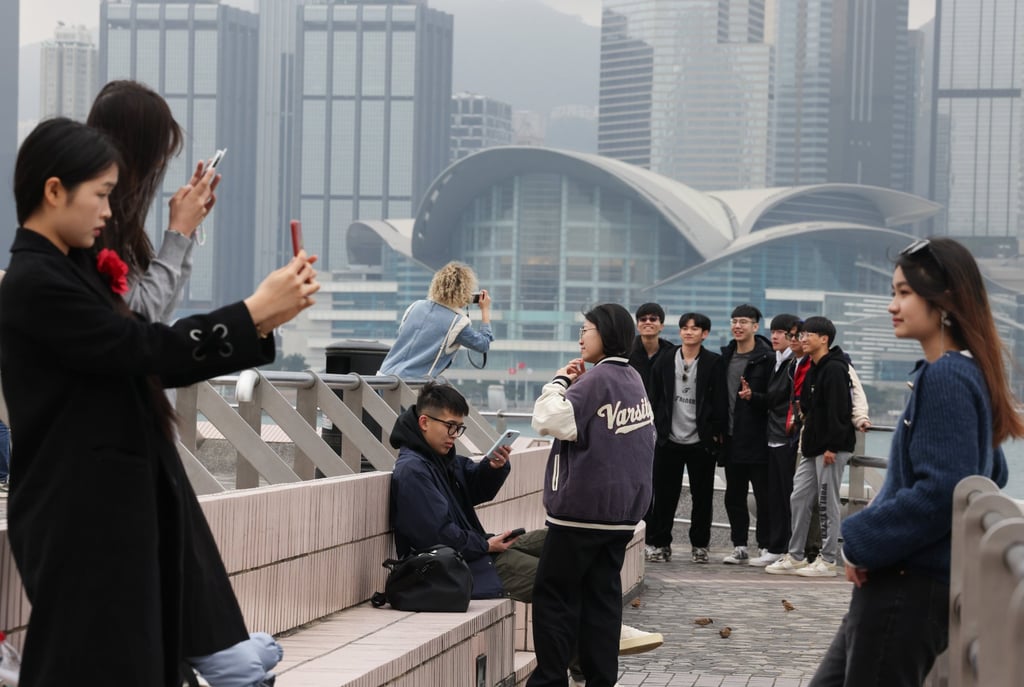
Teeming backstreets, temple scenes and other picturesque elements were popular. Before colour photography was invented, many images were hand-tinted; local Japanese photographic studios made this technique a particular specialty.
Album contents were typically drawn from images offered for individual purchase. Perennial bestsellers would swiftly find their way into attractively produced souvenir albums, which, as a shrewd marketing strategy, usually contained bonus images, and were offered at a lower combined price than individual photographs.
After the invention of celluloid roll film in 1885, and the subsequent popularisation of cheaper, more portable cameras by the American Eastman Kodak Company from 1889, a different range of preferred images began to emerge. By the 1910s, personal camera equipment was readily available in Hong Kong, and while these items long-remained playthings of the wealthy, hobby photography gradually began to grow. As a duty-free port, mass-produced camera equipment, whether less expensive Japanese or American models, or high-quality German Leica and Rolleiflex brands, were usually cheaper here than in their countries of origin.