Advertisement
Opinion
What countries aligning with Trump must ask themselves
It is becoming increasingly clear that the “America first” policy sees an inherent conflict between the US and the rest of the world
3-MIN READ3-MIN

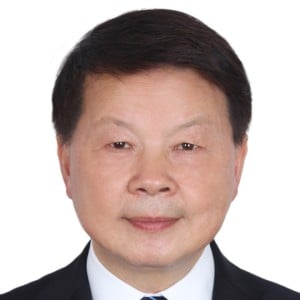
Zhou Xiaoming is a senior fellow at the Centre for China and Globalisation in Beijing and a former deputy representative of China’s Permanent Mission to the United Nations Office in Geneva.
I remember a story about a bear and two hunters from years ago. As the tale goes, when the bear approaches, one of the hunters prepares to run. Shocked, the second hunter asks the first, “Can you run faster than the bear?” “Well,” the first hunter replies, “I only have to run faster than you.”
There is an important lesson to take from this story.
US President Donald Trump has been trying as hard as his predecessor Joe Biden to isolate and contain China, albeit in a less systematic manner. The Trump administration plans to use tariff negotiations with multiple countries to ask them to bar Chinese companies from shipping goods through their territory, prevent Chinese firms from setting up shop there and avoid China’s industrial goods.
In a bid to sow discord, US Treasury Secretary Scott Bessent has accused China of striking “rapacious deals” to take mineral rights from African nations and adding “huge amounts of debt onto these countries’ balance sheets”.
Select Voice
Select Speed
1x
AI-generated voice