Advertisement
Opinion
As US retreats, Asian powers can reshape world order to meet their needs
Global South countries, tired of bearing the costs of globalisation, are asserting their economic visions
3-MIN READ3-MIN
2

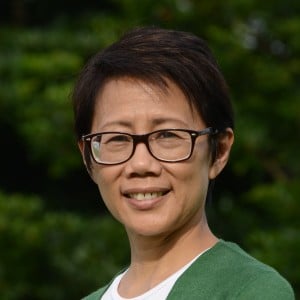
Christine Loh is chief development strategist at the Institute for the Environment, Hong Kong University of Science and Technology.
The global order that once promised free trade, open borders and shared prosperity has cracked. The so-called liberal international order, constructed after the second world war and turbocharged after the Cold War, is dissolving. Its collapse is being brought about by the very country that built it: the United States.
Under the Trump 2.0 administration, the US is decidedly stepping back from open markets and liberal values. Its immediate predecessor, Joe Biden’s administration, continued many of Trump 1.0’s economic policies – on trade protection and reshoring of supply chains.
There is now a bipartisan consensus in America that globalisation, at least in its past form, no longer serves US interests. Washington is no longer selling the dream of a borderless, liberal world. It is selling security, industrial policy and “Made in America” – so America will be great again. In this frame, even long-standing allies are foes.
To understand this shift, it helps to revisit Harvard economist Dani Rodrik’s trilemma, which explains why countries can’t simultaneously have full national sovereignty, deep economic globalisation and democratic politics – at best, they can have two. Much of the world, however, thought all three could coexist.
Select Voice
Select Speed
1x
AI-generated voice