Advertisement
Opinion
Why Hong Kong subsidies should go towards food, not fuel
Rather than encourage energy consumption amid the effects of the Iran war, the city should also speed up the move to greener public transport
3-MIN READ3-MIN
1
Listen

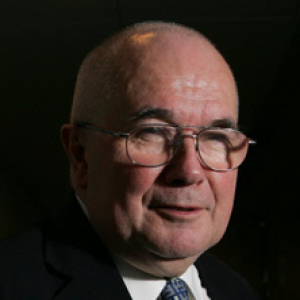
Mike Rowse is an independent commentator.
Hong Kong should not renew the HK$3 per litre diesel subsidy when it expires at the end of June. Instead, it should use the funds to launch a crash programme to accelerate electrification of public transport, starting with the minibus fleet.
The crisis in the Middle East has had a serious impact on fuel prices. In response, a government task force has recommended a package of measures to provide temporary relief, including the diesel subsidy to be paid directly to local fuel companies and a 50 per cent cut in tunnel tolls for commercial vehicles. There is no relief for petrol-driven vehicles or private cars. The diesel subsidy alone will cost HK$1.8 billion (US$229.7 million).
While the measures are no doubt well intended and will be welcomed by the public in the short term, there are several fundamental problems with such subsidy schemes. This one in particular has weaknesses, not least that sooner or later – in this case, quite quickly – it will become fiscally unsustainable. There are other, more compelling areas where a degree of subsidy might become inevitable and which should have priority.
Select Voice
Select Speed
1x
AI-generated voice