Advertisement
Opinion
China’s real estate rethink can help end developers’ debt addiction
The future of Chinese property looks to be smaller and more rational, with a market defined by real estate’s worth rather than volume
3-MIN READ3-MIN
2
Listen

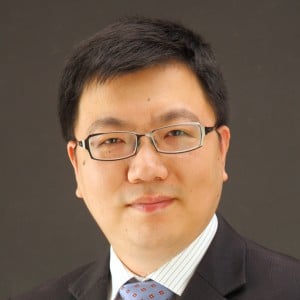
Michael Han is assistant president and Shanghai general manager at Yuepu Technology Group.
For five years, China’s real estate sector has been defined by a punishing narrative of default and contraction. This era of discipline reached a pivotal threshold when China Vanke, the industry’s bellwether, recorded an 82 billion yuan (US$11.8 billion) loss. Crucially, this disclosure arrived only a few days after a strategic injection from its largest shareholder, Shenzhen Metro Group.
The timing of the 2.36 billion yuan lifeline was a deliberate signal. By restoring ties right before the deficit became public, the state-backed shareholder provided a pre-emptive anchor against the impending shock. This sequence transcends mere risk containment. It represents a strategic endorsement of creditworthiness, indicating that Beijing is prepared to stabilise its most prominent players before the market reacts to the final clearing of their debt-fuelled past.
A distinct philosophy of asset realism is emerging among leading state-owned developers. This approach rejects the high leverage, high turnover model that fuelled the previous boom, prioritising instead asset quality and operational yield.
Select Voice
Select Speed
1x
AI-generated voice