double-skinned crabsVietnamese crab exporter
Advertisement
Technology
OpinionAsia Opinion
Opinion
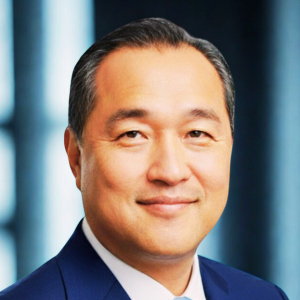
David Kim

In an era defined by AI, can work still be measured by the clock?

From Seoul to Taipei, Tokyo to Beijing, Asia is running a 21st century economy on a labour contract designed for the 20th century

3-MIN READ3-MIN
Listen
Students majoring in semiconductor engineering demonstrate an aligner at Korea University in Seoul on June 11. South Korea,  aims to supercharge its chip industry. Photo: Reuters
David Kim is a former investment banker turned technology journalist who writes about Asian business, innovation and capital markets.

Hwaseong, South Korea, past midnight. An engineer watches a defect pattern surface on her screen – the kind that, caught now, saves a week of wafers. She is locked in, fully absorbed, the way engineers get when a breakthrough is close. But she has to go home. The law says so.

Yet something is disrupting the clock she races against. Artificial intelligence is quietly rewriting what her hours are worth.

On June 29, South Korean President Lee Jae Myung stood alongside the leaders of Samsung Electronics and SK Hynix to unveil an 800 trillion won (US$548 billion) semiconductor initiative, part of industrial plans expected to be the largest in the nation’s history. Within days, the debate shifted from capital to constraints. South Korea’s leading newspapers converged on a remarkably consistent message: before investing another won, fix the laws that limit workers to a 52-hour week.

Lee has reportedly urged officials to work through the night if needed, to cut through licensing delays, for instance. But while working through the night may seem a virtuous response to urgent national plans, for workers, including the engineers that the chip industrial plan counts on, it remains a violation of labour laws.

Select Voice
Select Speed
1x
AI-generated voice