How climate change led to demise of once-thriving Chinese civilisation 4,500 years ago
New research paints a picture of a culture that struggled to navigate a significant increase in rainfall and slowly disappeared from history

If one were to travel to central China, in what is now Hubei province, 4,500 years ago, they might have been fortunate enough to discover a vibrant civilisation characterised by palaces, advanced engineering, and luxuries such as jade.
However, in the generations that followed, this culture gradually declined, with its people dispersing across the region.
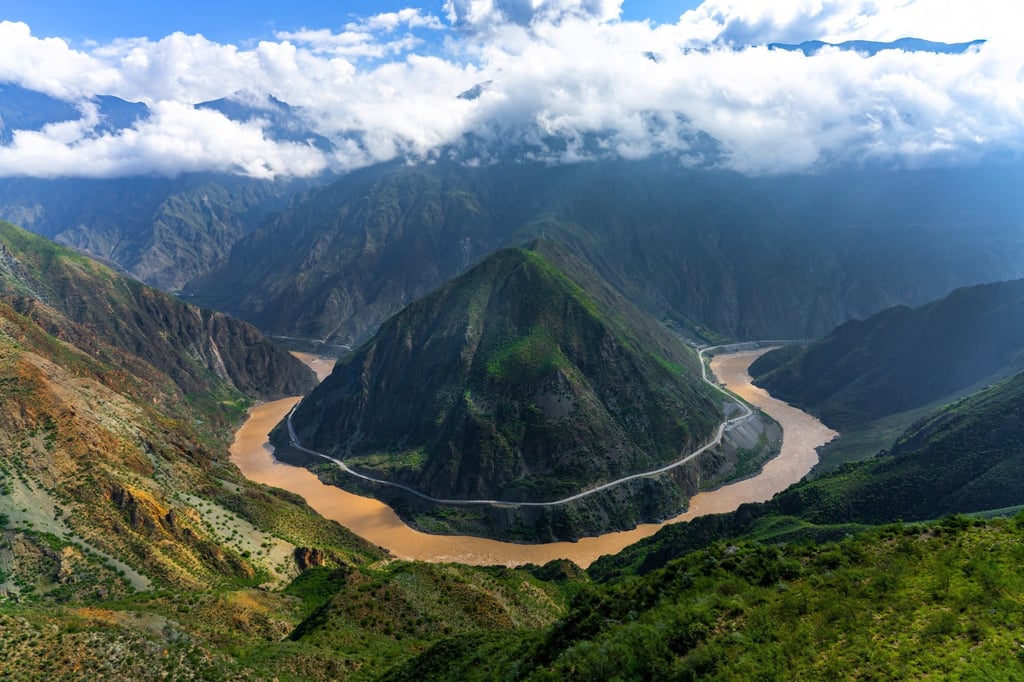
Until now, the reasons behind the collapse of such a thriving civilisation were not well understood. A group of scientists now believe that the Shijiahe civilisation, which flourished along the middle Yangtze River from 2500 to 2000 BC, was ultimately undone by climate change, specifically a dramatic increase in flooding that rendered the region uninhabitable for any society.
Professor Gideon Henderson from Oxford University noted in a statement that the insights into Shijiahe culture provided by lead author Dr Jin Liao from the China University of Geosciences in Wuhan allowed the team to illustrate how climate change affected Shijiahe societies.
He said the collaboration “enabled us to demonstrate, for one of the first times, that high rain can cause problems for past societies, as well as drought conditions.”