As Beijing tightens its grip over Hong Kong, does ‘one country, two systems’ still apply?
- Some see no reason for optimism, but others say Hong Kong is not ‘just another mainland city’; ex-Legco president notes test is whether residents stay or leave
- Former leader Leung Chun-ying says model has been a success and will continue beyond 2047

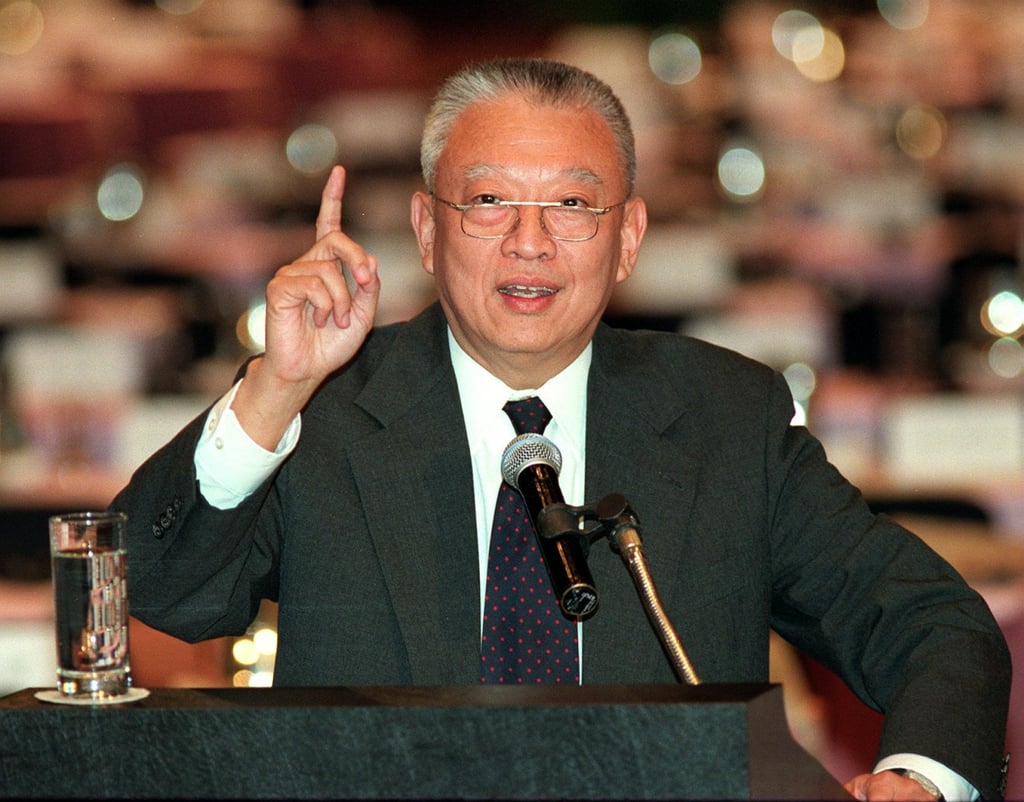
Shipping magnate Tung Chee-hwa had a clear vision for Hong Kong in the 21st century when he campaigned in 1996 to be the city’s first chief executive after its return to China.
He saw “a stable, equitable, compassionate and democratic society” governed by the principle of “one country, two systems” under which Beijing would allow the Hong Kong Special Administrative Region a high degree of autonomy and certain freedoms not permitted in mainland China.
“I have every confidence that this can be achieved,” the Shanghai-born tycoon declared. He went on to be the city’s leader after the handover, which took place on July 1, 1997.
Fast forward to 2022, and Hong Kong is preparing for the silver jubilee of the handover, the halfway mark of Beijing’s pledge to uphold the city’s freedoms for at least 50 years.
The city’s political landscape has been overhauled, opposition politicians and civil society activists largely silenced, and Hongkongers anxious about the future have been applying to move to Britain, Canada and Australia, which have all eased their emigration rules for residents.