Chinese crystal ‘paves way’ for GPS-free thorium clock navigation
World-first crystal tunes laser light to power ultra-precise, compact nuclear clocks which could guide submarines and deep-space probes
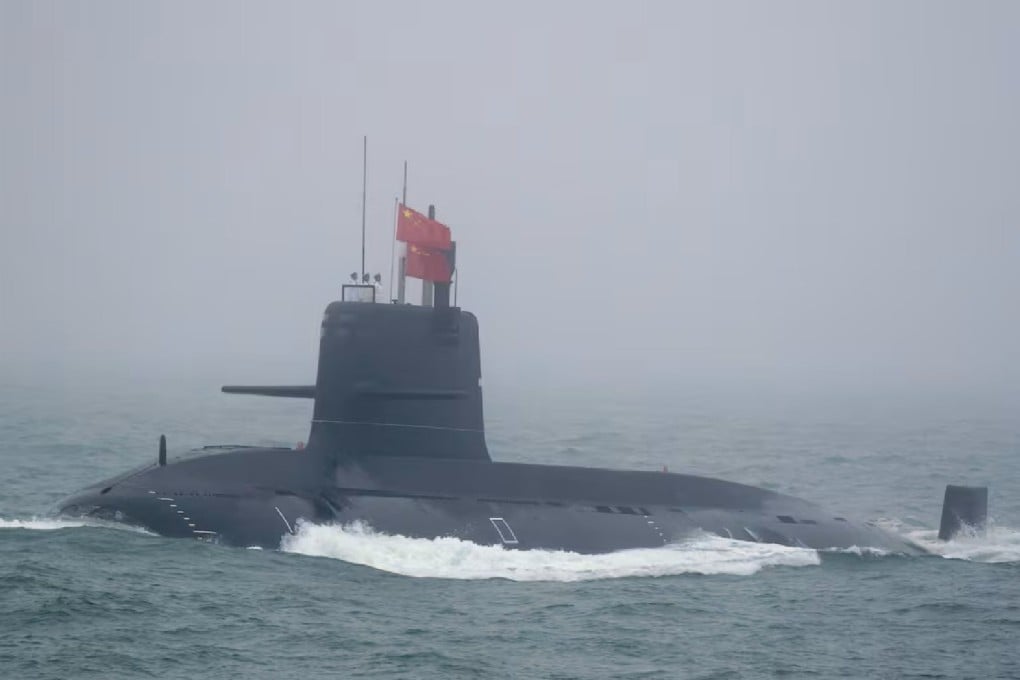
The fluorinated borate compound could push laser light to a record 145.2 nanometres (nm) – a wavelength short enough to meet a key requirement for these ultra-precise, portable clocks being developed in the United States, China and elsewhere, the team reported in Advanced Materials in January.
The result surpassed previous benchmarks set by potassium beryllium fluoroborate, a crystal developed in China in the 1990s that has long dominated the field but can only reach about 150nm – just short of the 148.3nm target needed for such clocks.
The work offers a new way to design next-generation deep-ultraviolet materials and “paves the way for the practical development of the thorium-229 nuclear clock”, the team led by Pan Shilie at the Xinjiang Technical Institute of Physics and Chemistry wrote in the paper.
Like other advanced clocks, it uses thorium atoms, a laser to probe them and a detector to read the signal. The laser must be tuned to a very specific wavelength to “tick” the nucleus, with timing set by how regularly it responds.