Fifty years later, despite US pivot, Taiwan has done well economically
- The self-ruled island built itself into a powerhouse, first with cheaply manufactured products then as an indispensable player in the tech industry
- Mainland China and US are entwined with Taiwan’s economy, a boon to the island’s unflinching annual GDP growth

After the United States formally switched diplomatic recognition from Taiwan to mainland China in 1979, the cast-off island had to strike out on its own. That fate has spawned the world’s 22nd-biggest economy, backed by a giant, globally linked tech industry and all but zero poverty.
Since the Chinese civil war of the 1940s, Taipei’s authoritarian Nationalist government had counted on US support militarily and diplomatically, when Washington saw Taiwan as a Beijing counterweight and called it “free China”.
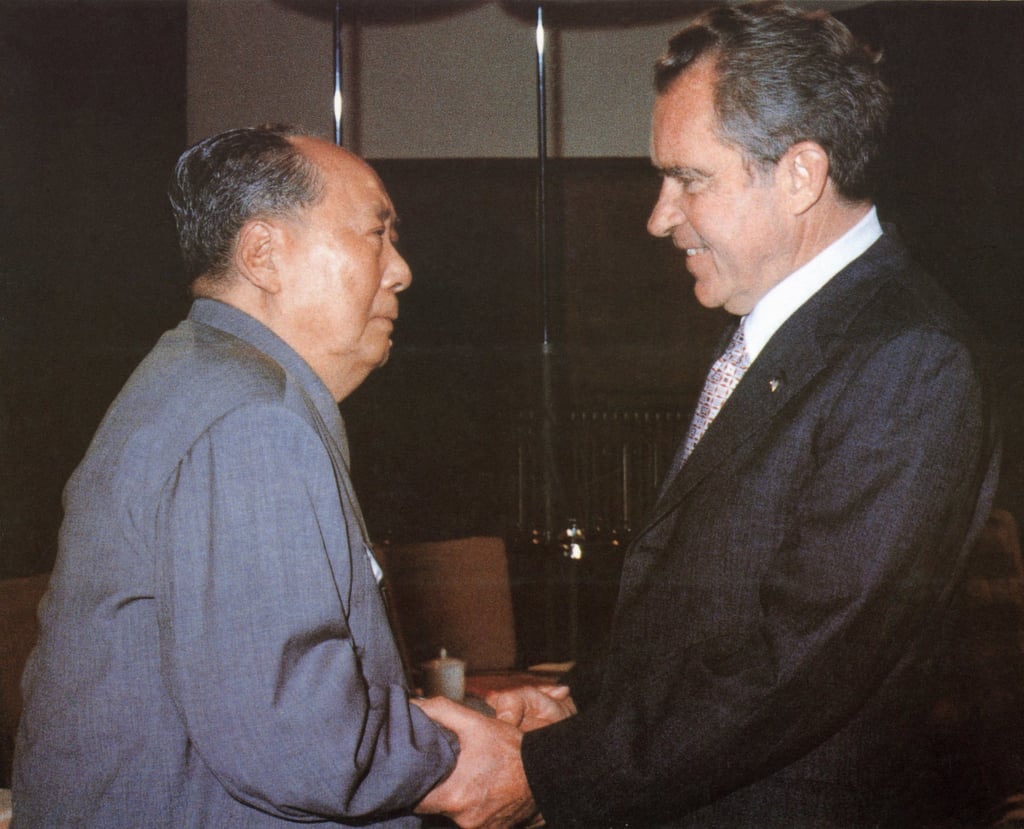
But Washington severed diplomatic relations in 1979 to recognise mainland China after signing the Shanghai Communique that emerged from the icebreaker meeting in 1972 between Nixon and his Chinese counterpart Mao Zedong.
“It was like self-reliance,” recalled Danny Ho, an economist and chief executive of the DMI energy consulting firm in Taiwan. “The Nationalist government was very proactive in investing in Taiwan’s infrastructure, including ports and facilities for oil and gas, because to develop they had to depend on selling overseas.”