Review / Park Hyatt Tokyo’s reopening brings back memories of Lost In Translation and a bygone era

You may know it from 2003’s Oscar-winning Lost in Translation with Bill Murray and Scarlett Johansson – take a look inside the iconic hotel
After an extensive renovation that took almost two years, Park Hyatt Tokyo – arguably the Japanese capital’s most iconic hotel – has changed very little, at least on the surface. That’s a very good thing, especially for those who over the years have had the privilege to call it their home away from home while visiting Tokyo.
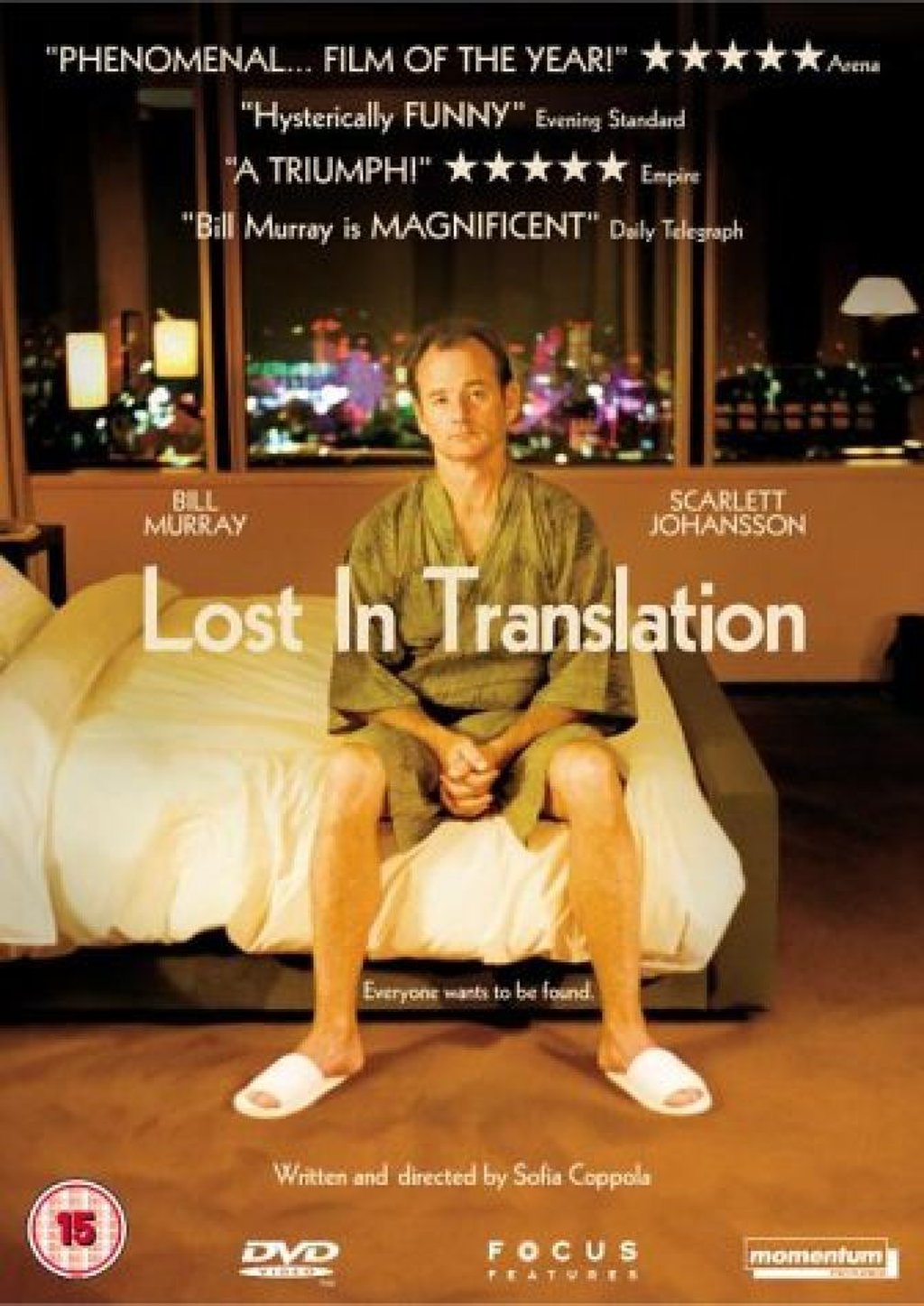
Famously immortalised in the Academy Award-winning film Lost in Translation (2003), in which it played as significant a role as its two main characters – an American actor and a young woman played by Bill Murray and Scarlett Johansson – Park Hyatt Tokyo first opened in 1994.
Housed on the top 14 floors of Shinjuku Park Tower, a modern skyscraper designed by world-famous architect Kenzo Tange, the hotel was originally designed by John Morford, who skilfully combined Asian refinement with Western elegance back the combination was far from common.

Just like in the old days, as soon as you step off the lift on the 41st floor, you’re greeted by the serene bamboo grove of The Peak Lounge & Bar, the bright space that captures the essence of the Park Hyatt Tokyo.
Instead of discarding the original bamboo trees and just planting new ones, the hotel’s team uprooted them to the island of Kagoshima, nurturing them there before bringing them back for the reopening. This simple yet poignant gesture speaks to the respectful approach to the refurbishment from Paris-based Studio Jouin Manku.

It’s hard to find fault with their plan, given that the hotel holds such a special place in the hearts of many Tokyoites and long-time visitors. The renovation was extremely thoughtful and didn’t strip the property of its original look and feel. The check-in area, which also doubles as a quiet library, is virtually unchanged, except for a spruced-up carpet and upgraded fixtures. Even the books lined on the shelves, which range from lavishly illustrated tomes on Asian art to Japanese literature classics, are the same. The staff spent hours taking photos of each shelf and then stacking the books in the exact same order that Morford had envisioned.
