Advertisement
Advertisement
Advertisement
Does a whisky’s age really matter? Barrel-aged Scotch is standard for brands like Macallan and Glenlivet, but the practice only took off in the mid-19th century …
STORYDouglas Parkes

- Modern distillers like America’s Lost Spirits sparked controversy for claiming they could condense a 20-year ageing process into just one week
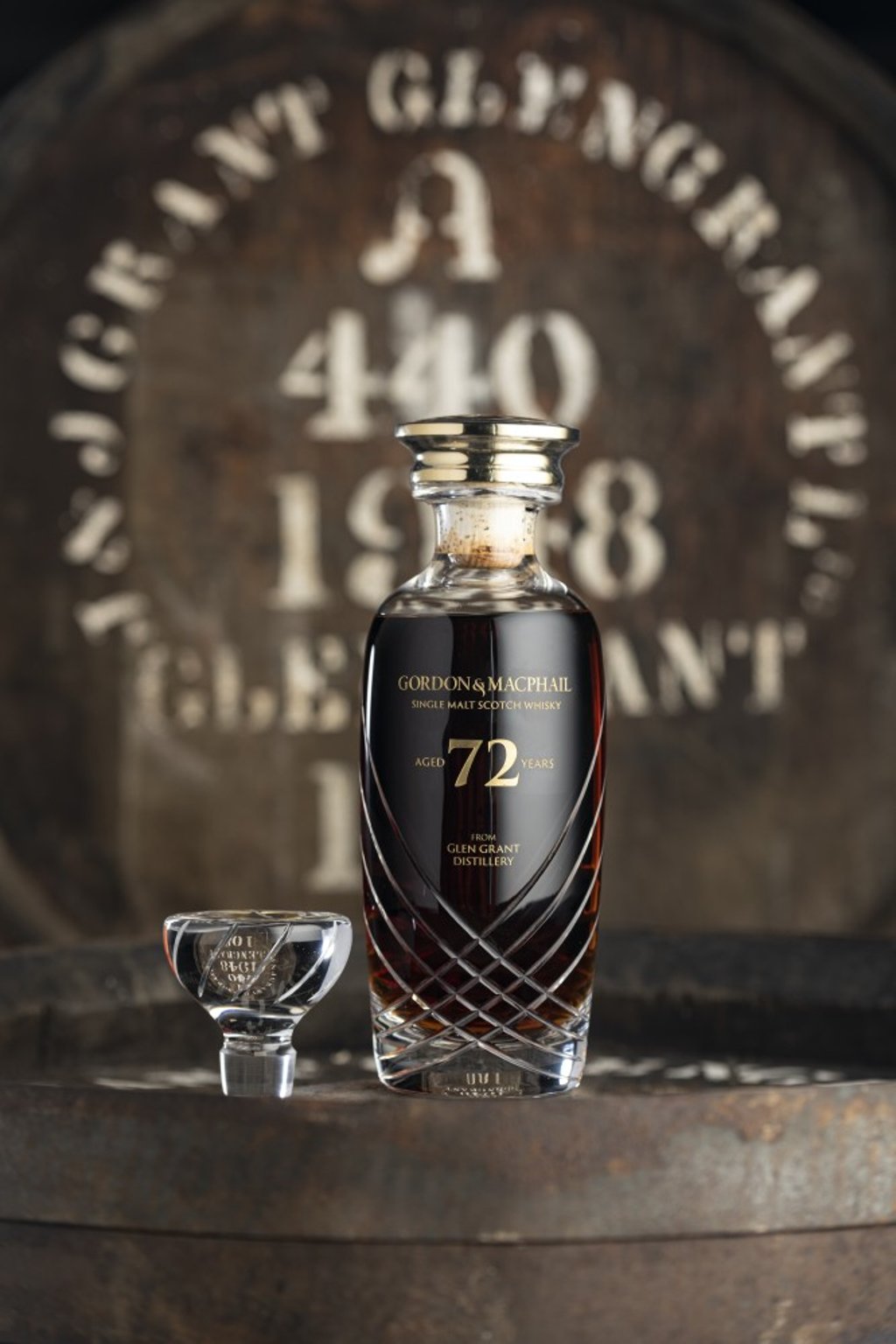
- Single malts have grown in popularity – Gordon & Macphail’s 80-year-old Glenlivet is the world’s oldest single malt and was auctioned in Hong Kong this year
It can take a lifetime to make the right whisky. A distiller can choose the water, the barley, the yeast and which barrels to age their whisky in, but there’s no accounting for time. All Scottish whiskies are required by law to be aged for a minimum of three years but the finest whiskies can take decades to mature.
It wasn’t always this way. Scotland’s oldest extant distilleries date back to the 18th century. In those days, whisky was consumed quite young or even immediately off the still. There were plenty of barrels around for storing whisky in, but they were used for other purposes such as for holding fish – which would hardly have enhanced the flavour of Scotland’s “Water of Life”. The concept of ageing was alien at the time.
Advertisement
Select Voice
Select Speed
1x
AI-generated voice