From Barcelona to Hanoi, travel hotspots levy tourist taxes and take other steps to curb crowds, pollution, bad behaviour
- Tourist destinations are charging visitors entry fees, designed to stop overtourism, dissuade certain types of visitor and lower travel’s carbon footprint
- Barcelona and Amsterdam have raised their tourist taxes, while Kyoto’s Geisha district has banned visitors

The post-Covid travel resurgence has brought with it a corresponding spike in tourist taxes, entry fees and time-slot booking systems.
Aimed in part at clawing back income forfeited during the pandemic, the revenue-generating levies are earmarked for the upkeep of historical sites and tourism infrastructure, and for tackling environmental challenges. Others are designed to deter badly behaved travellers or to discourage low-end sightseers.
Several destinations have implemented a tourist tax.
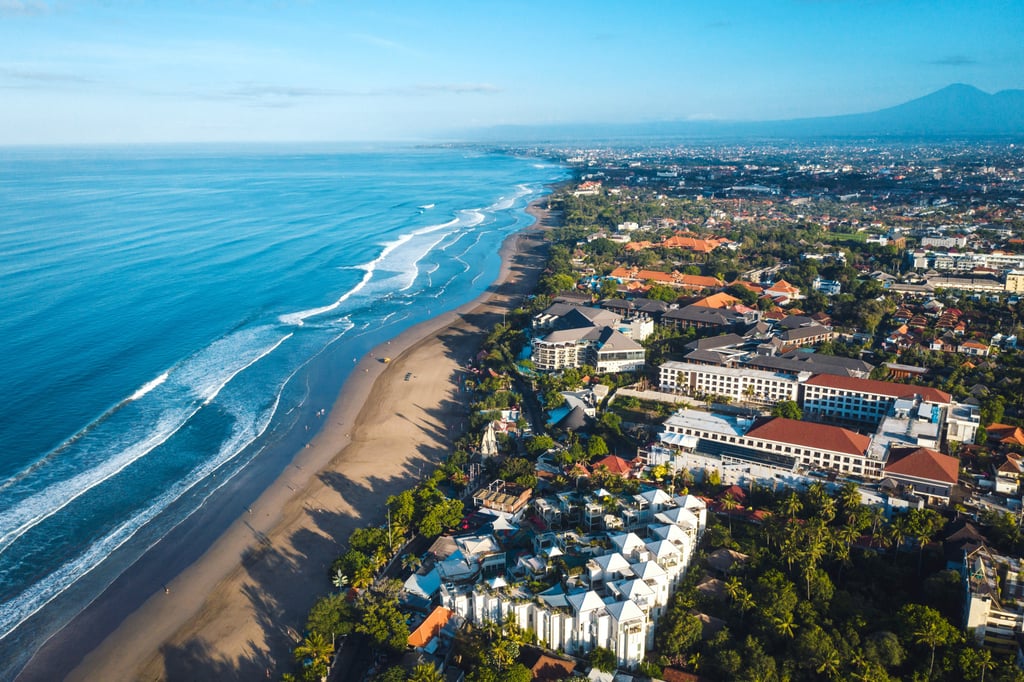
Bali, Indonesia
Barcelona, Spain

Amsterdam, Netherlands
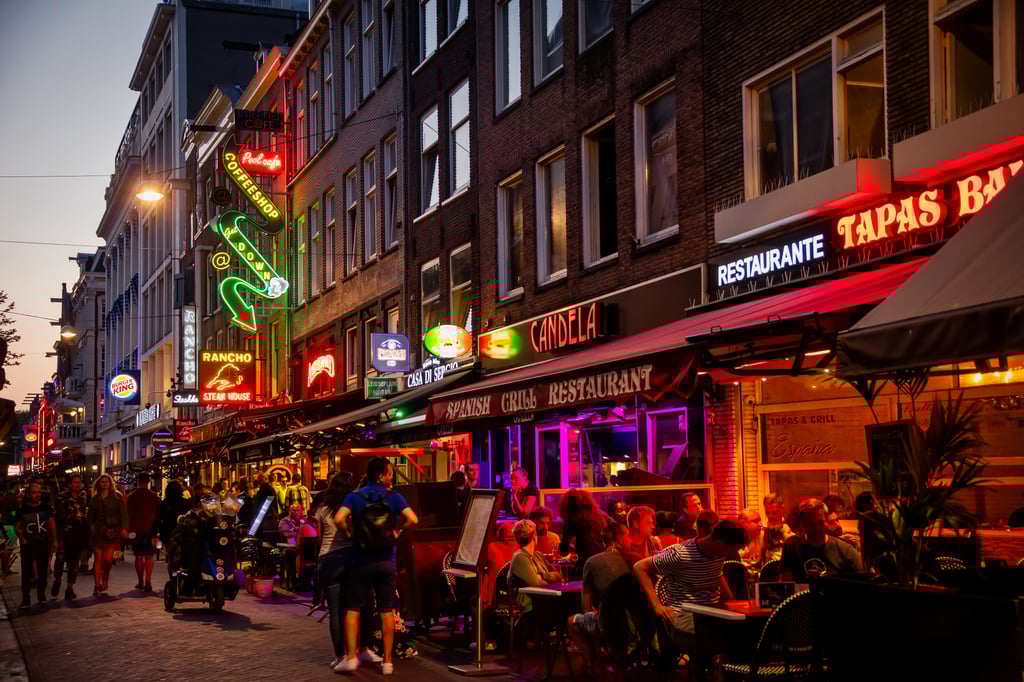
In 2023, the party town unveiled a somewhat blunt “Stay Away” digital discouragement campaign aimed at persuading boisterous young visitors that having fun doesn’t have to involve drunken, sleazy revelry.
Then, in a bid to attract culturally sensitive sightseers, the “Renew Your View” campaign was launched to encourage the appreciation of the city through the eyes of locals rather than as part of the mass-tourism phenomenon.