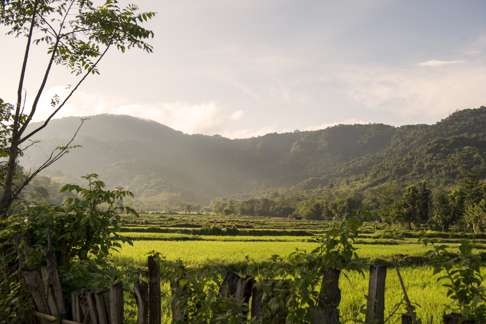
Where to find some of the world’s best wild forest honey, and why it’s under threat
The forests of eastern Sumbawa in Indonesia produce sublime honey thanks to its native flora and giant bees, but logging, modern farming techniques and mining threaten the island’s ecology

It’s barely 9am and already I’m sweltering. The heat of the day has kicked in, and it’s making our ascent through the thick vines and undergrowth extremely hard going. Two hours into our trek since we left the tiny village of Adu, and fortunately we’ve almost reached our destination: a clump of large trees growing just below a ridge line high in the forest in eastern Sumbawa, the next island to the east of better known Lombok in Indonesia.
I’m accompanied by three villagers: Pak Abidin, and his two younger apprentices Sa’Ban and Ibrahim. Together we’re on the hunt for one of Sumbawa’s most precious exports: wild forest honey, known in Bahasa Indonesia as madu liar.