
Mouthing OffIs stinky tofu ban for US restaurant discrimination or just lack of common scents?
Whether stinky tofu, durian or strong spices, what smells are acceptable and what aren’t is ambiguous. Where should the line be drawn?

Is the freedom to stink a right or a privilege?
Let me emphasise that these objections came from just one unrelenting individual. The neighbours in the commercial plaza did not seem to mind. Staff at the beauty salon next door said they could not smell the funky fermented bean curd.
The restaurant’s owner proclaimed that stinky tofu was a “cherished taste of home and a source of cultural pride”. But representation be damned. One single nosy complainer’s persistence persuaded authorities to request that the shop mitigate the smell – requiring expensive equipment – or stop selling stinky tofu.
The result is that the family eatery has now dropped one of its most popular dishes.
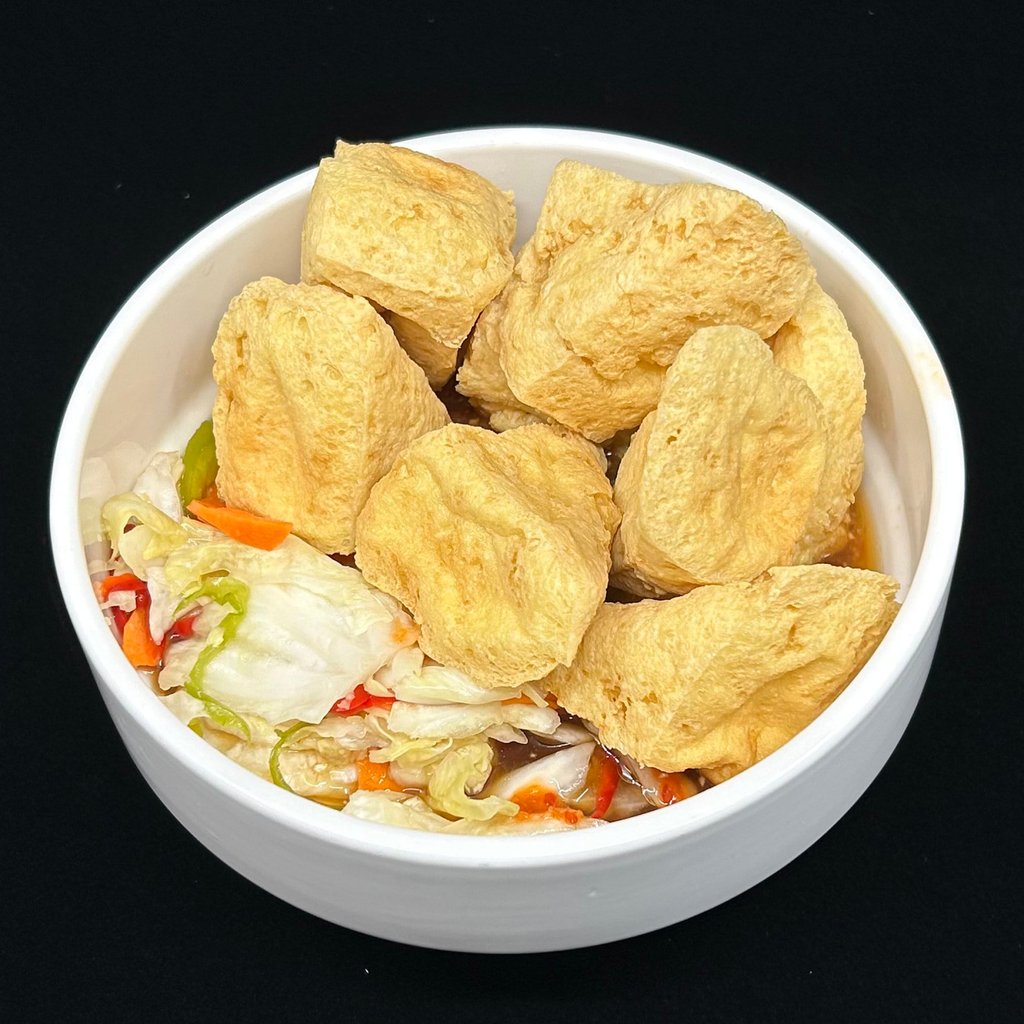
Is this really fair? Or is it simply the required compromise in a multiethnic community? We all aim for an inclusive world, but can we occasionally exclude the bits we don’t like from a minority group?