Can China be the next anti-corruption success story, after Hong Kong and Singapore?
Tony Kwok says Beijing’s plan to set up a super agency to combat the scourge is a big step in the right direction, and shows it is adopting best practices from elsewhere

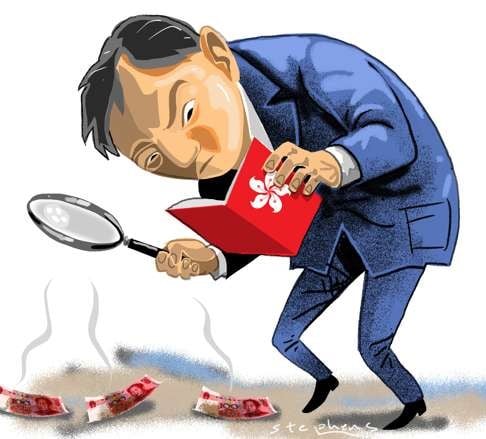
So, what does such a model entail and how does mainland China, which is now trying hard to combat corruption, fit in with this model?
Why reform of China’s anti-corruption agency is falling short
As early as the 1980s, China tried to learn from the Hong Kong experience. At that time, the chief prosecutor of the People’s Procuratorate of Guangdong paid a visit to the Independent Commission Against Corruption, the first official delegation from the mainland. He was very impressed with the ICAC. Upon his return to Guangzhou, he set up the first anti-corruption bureau within the prosecutors’ office. Since then, many provincial prosecutors have followed suit, which eventually led to the establishment of an anti-corruption bureau in the Supreme People’s Procuratorate, which became the de facto national anti-corruption unit.
This bureau, together with the Communist Party’s Central Commission for Discipline Inspection, adopted Hong Kong’s three-pronged anti-corruption strategy – enforcement, prevention and education. However, it would appear that the emphasis was on prevention and education, rather than enforcement. There appears to have been a lack of strong and effective enforcement and determination to punish the corrupt. Over the years, corruption became a low-risk crime. It flourished and became organised, posing a serious threat to governance.