Born in Hong Kong, Jason is a globe-trotter who spent his entire adult life in Europe, the United States and Canada before settling back in his birthplace to rediscover his roots.
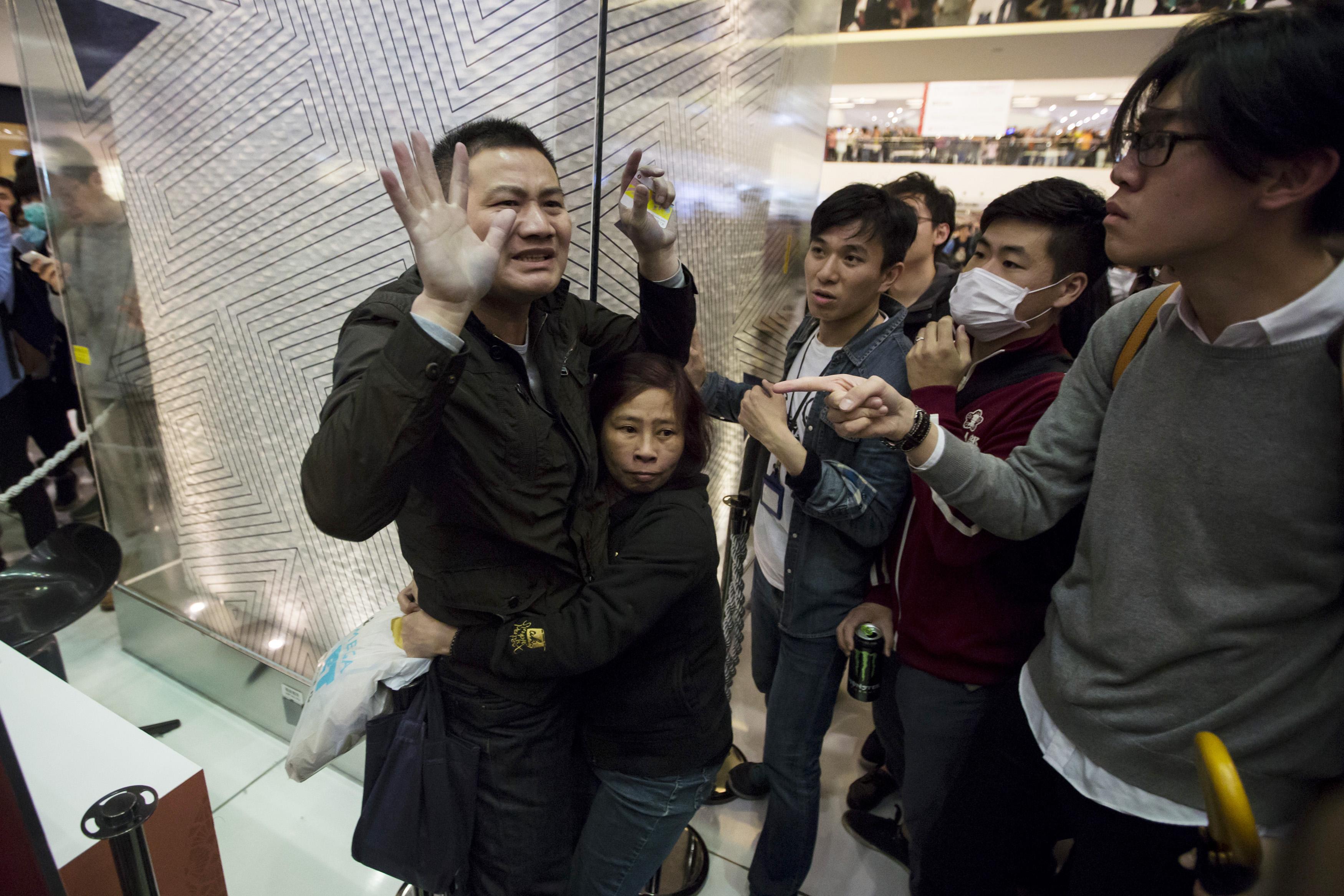
In the past month, nativist groups like Civic Passion and Hong Kong Indigenous have been staging weekly rallies against parallel traders in Sheung Shui, Yuen Long and Tuen Mun, three of the areas most affected by the growing influx of Chinese shoppers. Because parallel traders don’t bear a mark on their foreheads, protesters wind up targeting anybody seen with bulky baggage on the street. The lucky ones get heckled and mobbed, while the not-so-fortunate have their possessions searched or thrown about. Still others, like the elderly busker who happened to be passing through with a large amplifier in a cart bag, get mistaken for mainlanders and roughed up by protesters. Pretty despicable stuff.
For years, day trippers from Shenzhen and neighbouring Chinese cities have been crossing the border using multiple-entry permits. While here, they load up on daily necessities – diapers, baby formula and skincare products – and resell them at a higher price in the mainland, where demand for safe, reliable consumer goods is insatiable. These arbitrageurs come in droves and buy in bulk, transforming residential neighbourhoods into a ubiquity of pharmacies, jewellers and cosmetic stores. Retail rent soars and so do prices of everyday goods. Pavements get so congested that pedestrian traffic often snarls to an aggravating halt. Inaction by the Hong Kong government, either for a lack of political will or for fear of antagonising local authorities in the mainland, means that residents in northern districts must accept these impositions as the New Normal.
While their gripes have fallen on the bureaucrats’ deaf ears, nativist groups have seized on the growing frustration and used it to step up their anti-mainland rhetoric. Vowing to help local residents take back their way of life, angry protesters descend on the neighbourhoods with banners and megaphones to drive out the personae non gratae. Parallel traders make for a perfect political target: they offer nativist groups the kind of moral high ground that ordinary Chinese shoppers do not.
In the past, harassment of mainland visitors – such as the bouts of “anti-locust” rallies on Canton Road – failed to win public support and almost always backfired. Most Hongkongers take the view that xenophobia has no place in our society, and that the inundation of Chinese shoppers is to be blamed on our government’s policy failures instead of the tourists themselves. To use an analogy, if a flight is overbooked and more people show up than there are seats available, the fault lies with the airlines and not the passengers.