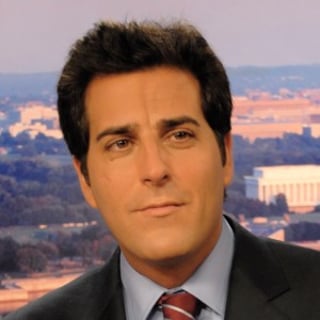
Marco Vicenzino
Marco Vicenzino specialises in geopolitical risk and international business development. He is strategic adviser to corporate executives and family offices operating globally, and a regular speaker at international conferences. He is a lawyer with degrees from Oxford University and Georgetown University.
Marco Vicenzino specialises in geopolitical risk and international business development. He is strategic adviser to corporate executives and family offices operating globally, and a regular speaker at international conferences. He is a lawyer with degrees from Oxford University and Georgetown University.
Languages Spoken:
English
The conflict has made clear the limits of China’s efforts to cultivate commercial and diplomatic clout among its energy suppliers in the Middle East.

In an age of disruption, power rests with whoever learns, innovates and adapts more effectively.

As the Gulf moves from war to managed disruption, the risk may become more enduring for markets, governments and companies.

What may be coming is neither stable peace nor uninterrupted war, but something in between: a prolonged condition of managed instability.
Advertisement

Systems that once underpinned globalisation as a process of integration are becoming repurposed as instruments of competition.

This is deterrence fatigue: escalation thresholds weakened by repeated testing and retaliation. The risk is not only war but systemic strain.

Europe needs greater collective leadership, pragmatism and rapid decision-making to remain a relevant force in the 21st century.

The stability of Syria, at the heart of the Middle East, is in the interests of all. It is time for regional actors, not external ones, to lead the change.

From Russia and the Middle East to the EU and US, the rise of Islamist group HTS is cause for caution over optimism.

The independent and centrist voters who will decide the US election want to hear real debates on policy, not hype and personal attacks.

The US president’s aggressive regional shuttle diplomacy will not yield dividends without firmer defence measures. Biden’s reluctance to act forcefully in the region is sending the wrong message to rogue actors globally.

Whatever the motivating factors behind Hamas’ surprise attack, Israel is now under pressure to respond with full force. As hostilities escalate and casualties rise, supporters on both sides will be drawn in, willingly or not.

Positive sentiment in the US stock market fails to account for continuing unrest in the run-up to the presidential election, a second wave of Covid-19 infections and tensions with the European Union and China.

Greater danger and fragmentation are likely in the coming years as Russia keeps its place at the great powers table while Turkey and other regional powers vie for influence.

